
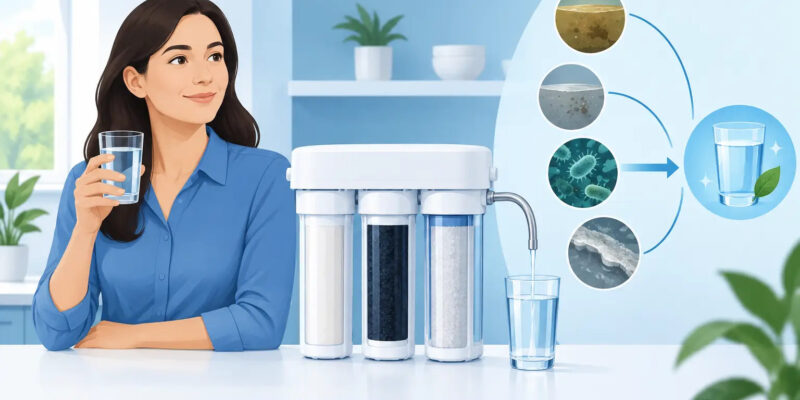
A glass of water can look clear and still create problems throughout a property. Staining in fixtures, a sulfur smell at the tap, scale on water heaters, cloudy ice, dry skin, and recurring appliance issues can all point to water conditions that deserve attention. Effective water filtration starts with identifying what is actually in the water, then selecting equipment designed to treat that specific concern.
For homes and facilities throughout Northeastern Pennsylvania, the right approach may be as simple as a sediment filter or as involved as a complete well-water treatment system with filtration, softening, and ultraviolet disinfection. The goal is not to add equipment for its own sake. It is to provide dependable water quality while protecting plumbing, fixtures, appliances, pumps, and day-to-day operations.
Water Filtration Begins With Water Testing
Water problems often produce similar symptoms, but their causes can be very different. Orange or brown staining may indicate iron, manganese, sediment, or corrosion. A rotten-egg odor commonly points to hydrogen sulfide, although bacteria or plumbing conditions can also contribute. White scale is often associated with hard water, while cloudy water can result from air, fine sediment, or mineral content.
That is why a water test should come before choosing treatment equipment. A proper assessment can identify hardness, pH, iron, manganese, sulfur, total dissolved solids, bacteria, and other conditions relevant to the property. Private well owners should be especially careful about testing because well-water quality can vary by location, depth, seasonal conditions, and changes around the water source.
Municipal water users can also benefit from testing. Public water is treated to meet applicable standards, but a property may still have concerns related to chlorine taste, aging plumbing, sediment, scale, or specific fixture and appliance performance. The best filtration solution depends on the source water and the result the owner needs.
Common Water Problems and the Systems That Address Them
Sediment and cloudy water
Sand, silt, rust particles, and other suspended material can clog faucet aerators, reduce water pressure, wear on valves, and shorten the life of other treatment equipment. Sediment filtration captures these particles before they move farther into the plumbing system.
A cartridge filter can be appropriate for light sediment and point-of-use applications. Properties with frequent or heavy sediment may need a larger backwashing filter that can clean itself on a programmed cycle. The right filter size and micron rating matter. A filter that is too fine may plug quickly and restrict flow, while one that is too coarse may allow troublesome particles through.
Hard water and scale
Hard water contains dissolved calcium and magnesium. It is not usually a health concern, but it can leave scale on shower doors, reduce soap performance, create spots on dishes, and build up inside water heaters, boilers, coffee makers, and other equipment.
A water softener exchanges hardness minerals for sodium or potassium ions. This process protects water-using equipment and can make cleaning easier. It is not the same as filtration, but softening is frequently part of a complete water-conditioning plan. For a commercial or industrial property, sizing must account for water use, peak demand, regeneration requirements, and any process equipment affected by hardness.
Iron, manganese, and staining
Iron can cause orange, red, or brown stains and give water a metallic taste. Manganese may leave dark gray or black staining. Both can accumulate in fixtures and plumbing, interfere with water softeners, and create noticeable problems in laundry and food-service settings.
Treatment depends on the form and concentration of the mineral. Some conditions can be addressed with a softener, while others require an oxidation and filtration system or a specialized iron filter. Water pH, dissolved oxygen, and the presence of sulfur or iron bacteria can change the recommended design. This is a good example of why a one-size-fits-all filter often falls short.
Sulfur odors and unpleasant taste
Water that smells like rotten eggs may contain hydrogen sulfide gas. The odor can be strongest when hot water runs because heating releases the gas more readily. In some cases, the issue is isolated to the water heater rather than the full water supply, so diagnosis matters before installing whole-house equipment.
Depending on test results, sulfur treatment may involve aeration, oxidation, activated carbon, or specialized filtration media. Activated carbon is also commonly used to improve chlorine taste and odor in municipal water. Carbon filters are useful, but they have limits and need regular replacement or maintenance to remain effective.
Bacteria and microbiological concerns
Private wells can be vulnerable to bacterial contamination, particularly after flooding, construction near the well, well-cap damage, or changes in groundwater conditions. Coliform testing helps determine whether a microbiological issue needs to be addressed.
Ultraviolet treatment can disinfect water by exposing it to UV light as it passes through a treatment chamber. UV does not remove sediment, hardness, iron, or chemicals. It also works best when the water is clear, which is why prefiltration is often necessary. The lamp and sleeve require routine service, and the system must be properly sized for the property’s flow rate.
Whole-House Treatment Versus Point-of-Use Filters
A small filter at a kitchen sink can improve drinking and cooking water, but it will not protect water heaters, laundry equipment, showers, toilets, or commercial fixtures. Whole-house water filtration treats water as it enters the building, making it a better fit for sediment, hardness, iron, sulfur, and other issues that affect the entire plumbing system.
Point-of-use equipment still has a place. It can be practical when the concern is limited to drinking water, when a property is on municipal service with otherwise acceptable water quality, or when a tenant or business wants an added level of treatment at a specific sink. Reverse osmosis systems, for example, are often used for drinking water but create wastewater and require periodic filter and membrane changes.
The right choice comes down to the problem, the water source, the number of occupants or users, and the equipment being protected. A restaurant, apartment property, manufacturing facility, and single-family home may all need different treatment designs even if their water shows a similar test result.
Installation Details That Affect Performance
Treatment equipment performs best when it is installed as part of a complete plumbing and mechanical plan. This includes proper bypass valves, shutoffs, drain connections, electrical supply where needed, and enough space for service access. For well systems, pump performance, pressure tank condition, and flow rate should also be considered. A treatment system cannot deliver reliable results if the water supply itself cannot maintain adequate pressure or volume.
Drainage is another practical consideration. Backwashing filters and softeners discharge water during cleaning or regeneration cycles. The drain connection must be suitable for the equipment and local installation requirements. For commercial and industrial locations, discharge volume and operating schedules may need additional attention.
Pretreatment order matters as well. Sediment filtration generally comes ahead of equipment that could be clogged by particles. Iron treatment may need to occur before a softener. UV equipment is normally installed after filters that remove material capable of blocking light. A properly sequenced system is easier to maintain and more likely to meet the intended water-quality goal.
Maintenance Protects the Investment
Water treatment is not a set-it-and-forget-it purchase. Cartridge filters need replacement, softeners need salt and periodic inspection, UV lamps need scheduled changes, and backwashing systems need confirmation that their control valves and regeneration cycles are operating correctly. Neglected maintenance can reduce water flow, allow odors or staining to return, and leave expensive plumbing or equipment unprotected.
Property managers and facility operators benefit from a documented maintenance schedule, particularly where water quality affects tenants, food preparation, laundry operations, refrigeration equipment, boilers, or process water. Homeowners should also watch for changes in taste, odor, pressure, staining, or the amount of salt their system uses. Those changes are often early signs that service is needed.
Choose Treatment for the Problem You Have
Water filtration should solve a measurable problem, not rely on a guess or a sales pitch. Testing, correct equipment sizing, professional installation, and ongoing service turn treatment equipment into a dependable part of the property’s plumbing system.
For homeowners and businesses in the Hazleton area, Hydrodynamics Inc. can help evaluate water concerns alongside the pumps, plumbing, and mechanical systems that keep the property operating. A clear water test and a practical treatment plan are the best place to start when water stops looking, smelling, or performing the way it should.