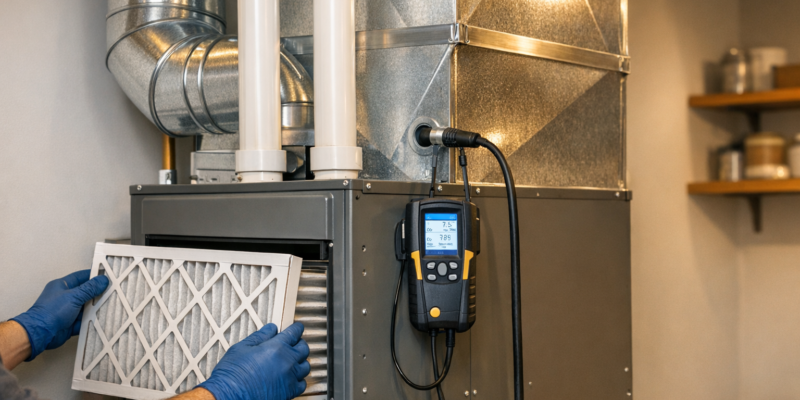
Role of HVAC Maintenance in Combustion Pollutant Control

Role of HVAC Maintenance in Combustion Pollutant Control

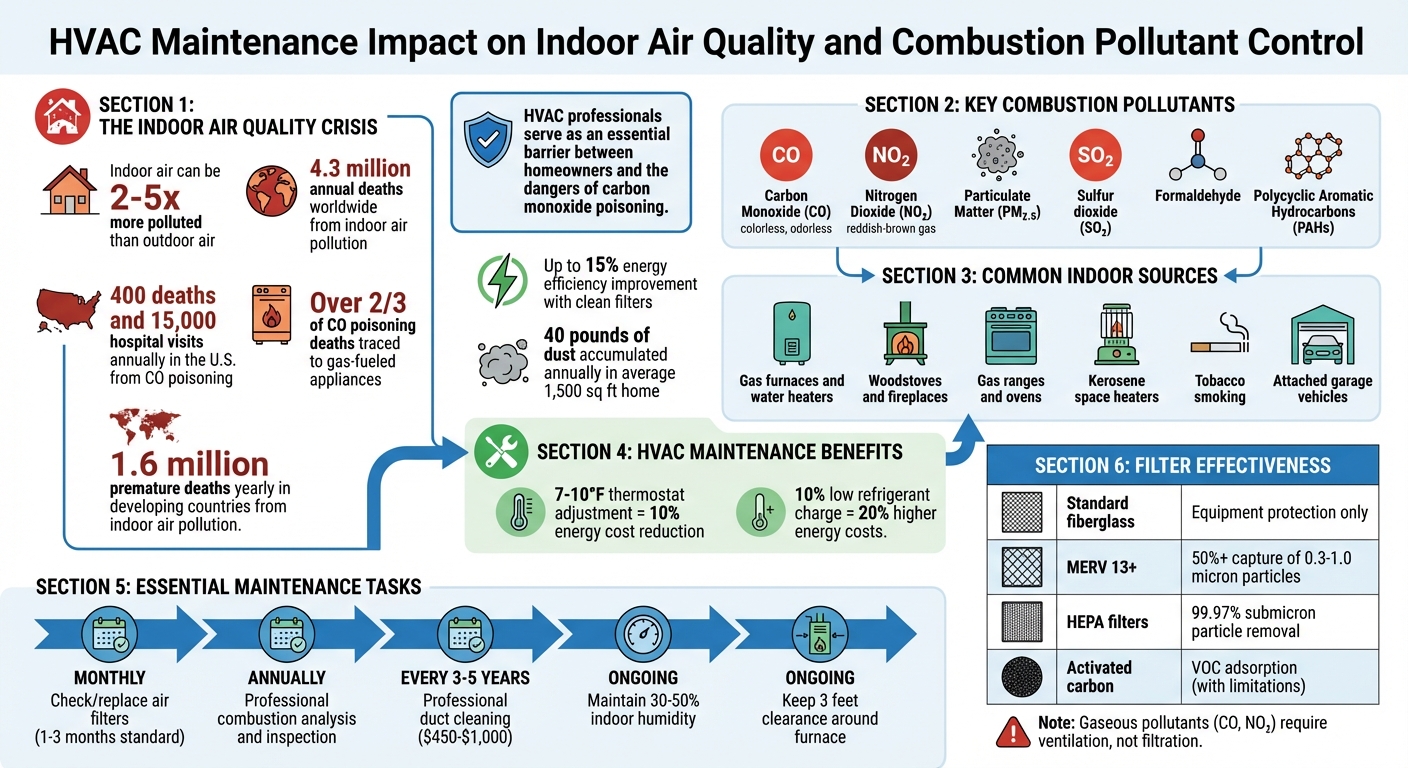
Indoor air can be 2 to 5 times more polluted than outdoor air, posing serious health risks. Combustion pollutants like carbon monoxide (CO) and nitrogen dioxide (NOâ‚‚) come from everyday appliances like furnaces, stoves, and fireplaces. Poor maintenance can worsen these risks, leading to toxic gases leaking into your home. Regular HVAC maintenance is critical to managing these pollutants and protecting your health.

Key Takeaways:

  • Health Risks: CO poisoning causes 400 deaths and 15,000 hospital visits annually in the U.S.
  • Pollutant Sources: Gas appliances, smoking, and unvented equipment are common culprits.
  • HVAC Role: Proper ventilation, filtration, and pressure management reduce pollutants.
  • Maintenance Tips:
    • Replace air filters every 1–3 months.
    • Schedule annual professional inspections to check for leaks and ensure proper exhaust.
    • Use sealed-combustion appliances to prevent backdrafting.

HVAC systems help remove pollutants, but they have limits. While filters handle particles, ventilation is essential for gases like CO. Pairing maintenance with carbon monoxide detectors and proper appliance use ensures cleaner, safer air indoors.
HVAC Maintenance Impact on Indoor Air Quality and Combustion Pollutant Control

HVAC Maintenance Impact on Indoor Air Quality and Combustion Pollutant Control

Gas Furnace Combustion Analysis Training with Tyler Nelson!

What Are Combustion Pollutants and Why They Matter

Combustion pollutants are created when fuels are burned. According to the California Air Resources Board, these pollutants come from burning materials like wood, natural gas, and other fuels. Key examples include carbon monoxide (CO), nitrogen dioxide (NOâ‚‚), particulate matter (PM), sulfur dioxide (SOâ‚‚), formaldehyde, and polycyclic aromatic hydrocarbons (PAHs).

What makes these pollutants especially hazardous is how easily they can go unnoticed. Take carbon monoxide, for example – it’s a colorless, odorless gas that disrupts oxygen delivery in the body. Nitrogen dioxide, on the other hand, is a reddish-brown gas that irritates the respiratory system, while particulate matter consists of microscopic particles that can penetrate deep into the lungs.

The health effects of these pollutants can vary widely, from mild to severe. Short-term exposure might mimic flu symptoms, such as headaches, dizziness, fatigue, nausea, and confusion. Over time, however, the risks escalate significantly. Long-term exposure has been linked to chronic respiratory issues like asthma and emphysema, cardiovascular disease, permanent damage to the brain and heart, and even cancers affecting the lungs, stomach, and bladder. Some groups – like infants, the elderly, those with pre-existing conditions, and even unborn children – are particularly vulnerable to these risks. Understanding these dangers is essential to addressing the everyday sources of combustion pollutants in indoor spaces.

Common Indoor Sources of Combustion Pollutants

Combustion pollutants can originate from a surprising number of everyday household appliances and activities. Gas-fired furnaces, water heaters, woodstoves, fireplaces, gas ranges, ovens, and kerosene space heaters are all common culprits. While these appliances emit pollutants as part of their normal operation, faulty equipment or poor maintenance can dramatically increase the risks.

Beyond appliances, daily habits can contribute to indoor pollution. Smoking tobacco, running gas-powered tools like lawnmowers or generators, idling cars in attached garages, and even hobbies like welding or soldering release combustion byproducts. Cooking on a gas stove – especially when frying or grilling at high heat – can also generate nitrogen dioxide and particulate matter.

The problem intensifies when pollutants seep into living areas due to unvented appliances, malfunctioning equipment with cracked heat exchangers, or backdrafting. Backdrafting occurs when pressure imbalances pull exhaust gases, like carbon monoxide, back into the home instead of venting them outside. Shockingly, over two-thirds of carbon monoxide poisoning deaths have been traced to gas-fueled appliances like furnaces and water heaters.

Health Effects and Air Quality Concerns

The numbers surrounding indoor air pollution are staggering. Around 4.3 million people worldwide die annually from indoor air pollution – 600,000 more than those who die from outdoor pollution. Of these deaths, roughly 60% are linked to heart issues, while 40% stem from lung-related conditions. In developing countries, where biomass fuels are often used for cooking and heating, indoor air pollution causes an estimated 1.6 million premature deaths each year.

Each pollutant has its own way of harming the body. Carbon monoxide deprives vital organs of oxygen, nitrogen dioxide damages mucous membranes and hampers breathing, and PM2.5 – a particularly tiny form of particulate matter – can enter the bloodstream or carry carcinogens like radon deep into the lungs. Children are especially at risk, with indoor air pollution contributing to half of all pneumonia-related deaths in kids under five.

Additionally, combustion processes release water vapor, which can raise indoor humidity levels. This creates a breeding ground for mold and dust mites, further exacerbating air quality issues. Recognizing these risks underscores how proper HVAC system maintenance can play a critical role in reducing exposure to these harmful pollutants.

How HVAC Systems Reduce Combustion Pollutants

HVAC systems do much more than regulate your home’s temperature – they actively help reduce harmful combustion pollutants in your indoor air. The process begins as the system pulls in air, filters it, and redistributes it throughout your home. When properly maintained, this cycle ensures cleaner, healthier air. However, neglecting maintenance can turn your HVAC system into a source of indoor air issues, spreading dust, allergens, and even mold spores. This initial filtration is just the starting point for more advanced pollutant reduction strategies.

One of the most effective ways HVAC systems combat pollutants is through mechanical ventilation. By exchanging stale indoor air with fresh outdoor air, your system dilutes dangerous levels of carbon monoxide, nitrogen dioxide, and other combustion byproducts. This continuous airflow prevents pollutants from accumulating in stagnant areas, which can pose serious health risks. Without proper ventilation, even minor amounts of combustion gases can build up over time, leading to hazardous conditions. Both filtration and ventilation are integral to maintaining a safe indoor environment.

Another critical factor is pressure management. HVAC systems must maintain balanced air pressure throughout your home to avoid backdrafting – a condition where combustion gases are drawn back into your living areas instead of being vented outside. Pressure imbalances, often caused by exhaust fans or air leaks, can reverse the normal flow of air in chimneys or flues, creating significant safety risks.

Air Filtration and Airflow Management

Not all air filters are created equally. Standard fiberglass filters are primarily designed to protect HVAC equipment from large debris, not to improve air quality. Filters with higher MERV (Minimum Efficiency Reporting Value) ratings, however, can trap smaller particles like smoke and fine dust from combustion sources. For even better results, HEPA filters and activated carbon filters go a step further, capturing microscopic particles and absorbing chemical pollutants like volatile organic compounds (VOCs).

Advanced filtration systems take things up a notch by actively purifying air as it circulates. These systems neutralize odors from cooking or smoke and capture allergens that basic filters may miss. However, their effectiveness depends on clean filters and unobstructed airflow. Clogged filters not only reduce a system’s efficiency but also allow pollutants to bypass the filtration process entirely. Ensuring proper airflow is crucial for evenly distributing filtered air throughout your home, preventing pollutant buildup in areas with poor ventilation.

While filtration is a vital component, comprehensive pollutant control also requires effective ventilation strategies to manage air exchange across your entire home.

Ventilation and Safe Combustion Appliance Operation

Ventilation is your home’s first defense against combustion pollutants. HVAC systems manage this by removing contaminated air, introducing fresh air, or balancing both processes to dilute pollutant concentrations effectively.

“Proper ventilation does more than circulate air; it removes contaminants and controls humidity, ensuring that your living spaces remain comfortable throughout the year.” – Chris Roe, Owner, Precision Heating & Air

Regular HVAC inspections play a crucial role in ensuring the safe operation of combustion appliances. Annual maintenance should include combustion analysis, where technicians check that fuel-fired appliances receive the correct mix of fuel and air to minimize carbon monoxide production. Inspections should also cover heat exchangers for cracks – an often-invisible hazard that can allow combustion byproducts to leak into your home’s air – and verify that exhaust systems properly vent gases outdoors rather than back into your living space.

“Annual service needs to include combustion analysis during which the HVAC professional checks that the appliance is getting the correct mix of fuel and air in the combustion process.” – National Carbon Monoxide Awareness Association (NCOAA)

When upgrading your system, consider sealed-combustion appliances as a safer option. These units draw combustion air directly from outside through a dedicated pipe and expel exhaust through a separate sealed pipe, eliminating the risk of backdrafting and ensuring combustion gases stay out of your indoor air. These measures are key to maintaining air quality and minimizing the risks associated with combustion pollutants.

HVAC Maintenance Tasks for Controlling Combustion Pollutants

Keeping up with HVAC maintenance is a critical step in managing combustion pollutants in your home. One of the simplest yet most effective tasks is replacing air filters regularly – every 1 to 3 months. This helps maintain proper airflow and prevents particles from recirculating. If you have pets, smokers, or family members with respiratory issues, swapping out filters monthly is a smart move for better air quality. A quick visual check can also guide you – if the filter looks gray or clogged, it’s time for a change, even if it’s ahead of schedule. These small efforts go a long way in ensuring your indoor air stays clean and safe.

Annual professional tune-ups are just as important. Technicians conduct combustion analyses to make sure fuel-fired appliances are running with the right fuel-to-air ratio, which reduces carbon monoxide emissions. They also inspect critical components like the heat exchanger for cracks – a potential source of dangerous carbon monoxide leaks. Additionally, they check venting systems and flues to confirm exhaust gases are being properly expelled outdoors. These inspections are essential for keeping your HVAC system effective at managing combustion pollutants.

Filter Replacement Schedules

Replacing air filters regularly is a key part of maintaining both air quality and system efficiency. Clogged filters make your HVAC system work harder, increasing energy use. In fact, swapping out a dirty filter can boost energy efficiency by up to 15%. Clean filters also trap dust, pollen, and pet dander, while preventing mold growth that can occur in damp, dirty filters. The general recommendation is to replace filters every 1–3 months, but during peak heating or cooling seasons, checking them monthly is wise. Before replacing a filter, always turn off the HVAC unit to avoid pulling in unfiltered air and debris. Signs like higher energy bills, weaker airflow from vents, or visible dust around registers often indicate it’s time for a replacement.

Duct Cleaning and Equipment Inspections

While filters handle daily particle removal, duct cleaning tackles the buildup that filters might miss. An average 1,500-square-foot home can accumulate about 40 pounds of dust annually, much of which ends up in ductwork. Hiring professionals to clean ducts every 3–5 years can remove stubborn debris, soot, and allergens. The cost typically ranges from $450 to $1,000, depending on the size of your home and the level of contamination.

Equipment inspections are another vital step for combustion safety. Technicians clean burners to remove soot and debris that can cause incomplete combustion and lead to carbon monoxide production. They also inspect duct joints for leaks, which can allow unfiltered air or pollutants from areas like garages or crawlspaces to enter the system.

“HVAC professionals serve as an essential barrier between homeowners and the dangers of carbon monoxide poisoning.” – National Carbon Monoxide Awareness Association (NCOAA)

To ensure you’re in good hands, verify that technicians have certifications in carbon monoxide safety and combustion analysis, such as NCI, NATE, or COSA.

System Adjustments and Performance Tuning

Fine-tuning your HVAC system not only boosts efficiency but also enhances safety. For example, thermostat calibration helps prevent short-cycling – when the system turns on and off too often – which improves combustion efficiency and reduces wear on components. Adjusting your thermostat to lower temperatures by 7–10°F for eight hours a day can cut energy costs by up to 10%. Technicians also check refrigerant levels, as even a 10% low charge can increase annual energy costs by as much as 20%.

Other performance-tuning tasks include cleaning the blower motor, flame sensors, and igniters to prevent shutdowns and ensure proper airflow and combustion. To stop air leaks and keep pollutants out, sealing duct gaps with mastic sealant or metal-backed foil tape is far more effective than standard duct tape. Lastly, maintaining at least three feet of clearance around your furnace and keeping flammable items away ensures safe airflow and reduces fire risks.

Limitations of HVAC Systems in Pollutant Control

HVAC systems are great at managing many pollutants, but they fall short when dealing with certain gaseous contaminants. Knowing these limitations is crucial for setting realistic expectations and recognizing when extra measures may be needed. For instance, regular maintenance alone often isn’t enough to tackle invisible gaseous pollutants.

Differences Between Particulate and Gaseous Pollutant Control

HVAC systems approach solid particles and gases in completely different ways. Standard filters, including high-efficiency HEPA filters, are excellent at capturing physical particles like dust, soot, and pollen through mechanical straining. They can remove 99.97% or more of submicron particles. However, when it comes to gaseous pollutants like carbon monoxide, nitrogen dioxide, and volatile organic compounds (VOCs), these filters just don’t work.

“Air cleaning for carbon monoxide and radon is challenging because these compounds have a low reactivity.”
– Lawrence Berkeley National Laboratory

Even advanced filters with activated carbon, which aim to adsorb VOCs, face hurdles. A study conducted by Aarhus University in March 2022 tested eight high-end air cleaners (costing $900–$5,000) in a 100 m³ (roughly 3,500 ft³) classroom. Seven of the eight units showed much lower VOC removal rates compared to their ability to remove particles. Alarmingly, one PECO-based cleaner even emitted harmful by-products, releasing 350 μg/h of formaldehyde and 200 μg/h of methacrolein during operation. Saturated carbon filters can also release trapped VOCs back into the air, emphasizing the importance of supplemental ventilation.

Pollutant Type HVAC Control Method Major Limitation
Particulate Matter Mechanical Filtration (HEPA/MERV) Only works when the system is running
VOCs (Gaseous) Adsorption (Activated Carbon) Filter saturation and re-emission
VOCs (Gaseous) Oxidation (PCO/PECO) Produces toxic by-products like formaldehyde
CO / Radon Ventilation / Dilution Low reactivity makes removal difficult

These challenges underline why HVAC systems need to be paired with other strategies to effectively manage indoor air quality. Since they only clean air while running, short operating times may not be enough to keep up with high pollutant levels.

Balancing Cost and Energy Use

Advanced filtration options come with trade-offs, particularly in energy use and costs. Upgrading to high-efficiency filters like MERV 13 or higher improves particle capture – they can trap at least 50% of particles in the 0.3–1.0 micron range. However, these filters also increase static pressure in the ductwork, making HVAC systems work harder. This can lead to higher energy bills and potentially shorten the lifespan of the equipment.

While better filters can improve air quality, they also come with added costs. In many cases, controlling pollutants at their source is more economical than filtering them after they’ve been released. For example, ensuring proper venting of combustion appliances or using sealed combustion units is often more effective than relying solely on filtration. Maintaining indoor humidity between 30–50% also helps because high humidity can reduce the effectiveness of carbon filters by making water vapor compete with VOCs for adsorption sites.

“Technologies based on adsorption do not permanently remove VOCs, but merely retain them temporarily at varying degree.”
– Anders Feilberg and Kasper Kristensen, ScienceDirect

For gaseous pollutants that HVAC systems can’t handle, mechanical ventilation systems like Energy Recovery Ventilators (ERVs) can bring in fresh outdoor air to dilute indoor contaminants. While this does increase energy use, it’s often the most practical solution for gases that standard filters can’t capture. The key lies in striking the right balance between pollutant control, energy efficiency, and operating costs based on your specific air quality needs. This highlights the importance of regular HVAC maintenance and making informed choices about your equipment to maintain a healthier indoor environment.

Conclusion

Keeping up with regular HVAC maintenance is a key step in protecting your home or business from harmful combustion pollutants. By scheduling professional service at least once a year, you safeguard both your equipment and the people inside. Technicians play a crucial role – they ensure proper combustion, check flues and heat exchangers, and identify potential carbon monoxide leaks.

“HVAC professionals serve as an essential barrier between homeowners and the dangers of carbon monoxide poisoning.”
– National Carbon Monoxide Awareness Association (NCOAA)

Routine maintenance goes beyond just addressing carbon monoxide risks. It also manages particulate pollutants by focusing on tasks like replacing filters and cleaning ducts. Swapping out filters every one to three months helps keep soot, allergens, and mold spores from circulating back into the air. Plus, a well-maintained system helps maintain indoor humidity levels between 30–50%, reducing the chances of mold and mildew.

On top of health benefits, regular upkeep improves system efficiency. A properly maintained HVAC setup uses less energy, which translates to lower utility bills and a smaller carbon footprint. It can also extend the life of your equipment, saving you from the cost of an early replacement.

When arranging maintenance, make sure your technician is certified by organizations like the National Comfort Institute (NCI) or North American Technician Excellence (NATE) for gas furnace service. Combine these professional inspections with carbon monoxide detectors, and check your air filters monthly – especially if you have pets, smokers, or family members with allergies.

FAQs

Can my HVAC system remove carbon monoxide?

Your HVAC system isn’t designed to directly remove or filter out carbon monoxide. However, keeping up with regular maintenance and inspections can play a big role in preventing carbon monoxide buildup. By ensuring proper ventilation and the safe operation of combustion systems, you can reduce risks and help maintain both indoor air quality and overall safety.

How do I know if my home is backdrafting exhaust gases?

Look out for warning signs such as soot or dark residue near your water heater, strange odors, or persistent dampness around vents. To check for backdrafting, hold a small flame near the draft diverter – if the flame wavers or isn’t drawn into the vent, there could be a problem. Using a carbon monoxide detector can also help identify issues. If you suspect backdrafting, it’s best to reach out to a professional HVAC technician for thorough testing and to ensure your safety.

What should an annual HVAC combustion safety check include?

An annual HVAC combustion safety check is essential for keeping your system running safely and efficiently. This process should include a combustion analysis, which evaluates the fuel-to-air ratio, checks exhaust gases, and ensures fuel-burning appliances are operating correctly. Along with this, venting systems must be inspected to identify any leaks or blockages that could compromise safety or air quality.
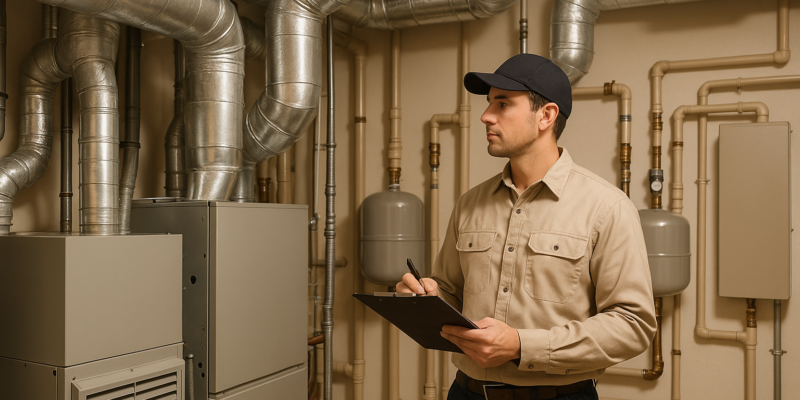

ASHRAE Standards for HVAC Testing

ASHRAE Standards for HVAC Testing

ASHRAE standards are the backbone of HVAC system testing, ensuring systems perform efficiently, maintain indoor air quality, and meet energy use goals. These guidelines cover key areas such as airflow, temperature, humidity, and duct leakage testing. They also establish protocols for inspections, maintenance, and energy audits for both residential and commercial buildings.

Key highlights include:

  • Energy Audits (Standard 211): Three audit levels to assess energy-saving opportunities.
  • Ventilation & IAQ (Standards 62.1 & 62.2): Minimum ventilation rates for commercial and residential spaces.
  • Duct Testing: Updated requirements for low- and medium-pressure ducts to minimize energy loss.

ASHRAE standards also guide system commissioning for new constructions and retrofits for older systems, ensuring compliance with performance and safety benchmarks. Whether for residential or commercial applications, these standards help technicians evaluate, maintain, and optimize HVAC systems effectively.

“An Overview of Ashrae Standard & its Applications”

Main ASHRAE Standards for HVAC Testing

ASHRAE has developed several key standards that form the backbone of professional HVAC testing practices. These standards outline the necessary requirements and procedures to ensure HVAC systems function effectively, delivering the desired levels of thermal comfort, energy efficiency, and indoor air quality in both new and existing commercial buildings. Below is an overview of the primary standards and their specific roles in HVAC testing.

ANSI/ASHRAE Standard 180: Inspection and Maintenance

ANSI/ASHRAE Standard 180 establishes the minimum requirements for inspecting and maintaining HVAC systems. Its goal is to help professionals maintain system performance through a structured maintenance program. This includes creating a detailed inventory of equipment, documenting information such as manufacturer details, location, capacity, and system identifiers. The standard also differentiates inspection tasks – like testing and condition checks – from maintenance tasks, which involve cleaning, aligning, lubricating, adjusting, and making necessary corrections.

Additionally, it emphasizes the importance of regular reviews, such as startup meetings and annual assessments, with more frequent checks if any system degradation is observed. These guidelines ensure that HVAC systems are maintained not only for efficiency but also to meet ventilation and indoor air quality requirements.

ANSI/ASHRAE Standards 62.1 and 62.2: Ventilation and Indoor Air Quality (IAQ)

ANSI/ASHRAE Standard 62.1 focuses on ventilation and indoor air quality requirements for commercial buildings. It defines minimum ventilation rates based on factors like building occupancy and function. The standard also provides methods for calculating outdoor air requirements and evaluating ventilation effectiveness.

For residential applications, ANSI/ASHRAE Standard 62.2 sets guidelines for whole-house ventilation and local exhaust systems. These requirements take into account variables such as home size, occupancy levels, and local climate conditions. Both standards offer performance-based compliance options, giving flexibility while ensuring that essential health and safety standards are upheld.

ANSI/ASHRAE Standards 211 and 100: Energy Audits and Performance

Energy audit and performance standards complement the above by addressing energy consumption and efficiency. Standard 211 outlines three levels of energy audits:

  • Level I: A preliminary assessment to identify quick energy-saving opportunities.
  • Level II: A more detailed analysis, including financial and energy evaluations.
  • Level III: A comprehensive engineering study with detailed project plans and cost estimates.

Meanwhile, Standard 100 focuses on energy performance by setting specific performance targets and establishing baseline energy usage. It also provides guidelines for ongoing commissioning and tracking improvements over time. Together, these standards support continuous efforts to optimize energy use and improve overall building performance.

HVAC Testing Methods Based on ASHRAE Standards

ASHRAE standards provide a framework for testing HVAC systems to confirm they meet design specifications, operate efficiently, and maintain indoor air quality. Certified technicians follow these protocols to evaluate system performance and detect potential issues before they impact a building’s overall efficiency. These testing methods ensure HVAC systems align with ASHRAE guidelines, achieving energy efficiency and air quality goals. Below are the primary testing methods based on these standards.

Airflow and Ventilation Testing

Measuring airflow is a critical step in verifying an HVAC system’s performance. Technicians use specialized instruments to assess airflow at various points in the system, comparing the results to ASHRAE’s recommended outdoor air intake rates. These rates are calculated based on the building’s occupancy and intended use, ensuring proper ventilation and air quality.

Temperature and Humidity Testing

Temperature and humidity levels play a significant role in maintaining indoor comfort, as outlined in ASHRAE Standard 55. Technicians measure these parameters at strategic points, such as supply and return air vents, to confirm the system meets its design specifications. Psychrometric calculations help verify the system’s ability to dehumidify effectively during heating or cooling cycles. In some cases, data loggers are employed to monitor temperature and humidity changes over time, ensuring consistent performance within the desired setpoints.

Additionally, the integrity of air distribution systems must be maintained to prevent inefficiencies.

Duct and Building Leakage Testing

Duct leakage testing has gained importance as energy efficiency standards become more stringent. ASHRAE Standard 189.1 now mandates testing for low- and medium-pressure ducts (3-inch water gauge) in addition to high-pressure ones (4-inch WG). This update addresses a major source of energy loss, as lower-pressure ducts can leak significantly more than their high-pressure counterparts.

“I spearheaded this update because of concerns that it is very rare to have ducts greater than 4-inch pressure class to be used today, while it was very common when the original requirement was to test the leakage of ducts greater than 3-inch WG pressure class. This resulted in much less leak testing today, while standard 189.1 is attempting to reduce energy use.”
– Jeff Boldt, Director of Innovation and Quality, IMEG Corp.

The testing process involves pressurizing the duct system and measuring air leakage rates using advanced tools. ASHRAE SPC215P provides guidelines for calculating both leakage airflow and the percentage of leakage in operating systems. Testing typically begins with 20% of the ductwork, expanding to the entire system if initial results reveal significant issues.

Industry data highlights the prevalence of duct leakage. A 2015 survey by the Building Commissioning Association revealed that 75% of engineers identified leaky ducts as a major source of energy loss in U.S. buildings, with 68% reporting leakage rates of 15% or more. These findings emphasize the importance of thorough duct testing to optimize energy efficiency.

“The industry has resisted testing because of the additional cost involved. But in reality, building owners can either make a relatively small payment upfront to ensure their ducts are operating properly, or they can continue to pay higher operating costs throughout the life of the building. The 189.1 updates to duct testing will help ensure that today’s buildings are operating as efficiently and cost effectively as possible.”
– Bob Reid, Former Chairman of ASHRAE Technical Committee 5.2 and Chief Engineer, SPOT (Spiral Pipe of Texas)

Building envelope leakage testing uses blower door equipment to pressurize the entire structure and measure air infiltration rates. This process identifies areas where conditioned air escapes or unconditioned air enters, allowing targeted sealing efforts. Properly addressing these leaks enhances building performance and reduces long-term operating costs.

HVAC Testing Process: Step-by-Step Guide

The HVAC testing process, as outlined by ASHRAE standards, involves detailed planning, precise fieldwork, and thorough data analysis. These steps ensure accurate results, compliance with industry standards, and actionable insights for system improvements. Professional technicians follow a structured protocol to assess performance, uncover deficiencies, and recommend solutions, all while minimizing errors and maximizing the value of the testing process.

Planning and Documentation Before Testing

Preparation is key to effective HVAC testing. This starts with reviewing system documentation, including design drawings, specifications, maintenance records, and occupancy schedules. These materials provide a baseline understanding of the system and help identify potential problem areas.

Testing schedules are influenced by building occupancy and usage patterns. For example, testing during peak occupancy can reveal how the system performs under real-world conditions, while off-hours testing allows for more controlled measurements. Weather conditions also play a role, particularly for outdoor air intake and building envelope evaluations.

Instrument calibration is another critical step. Tools like digital manometers, airflow measurement devices, and temperature sensors must be regularly calibrated to meet accuracy standards. Calibration certificates ensure that these instruments comply with strict error tolerance requirements, which is essential for reliable results.

Once the planning phase is complete, the process moves seamlessly into field testing.

Field Testing Procedures

Field testing begins with a visual inspection of the system. This step helps identify and address obvious issues, such as damaged ducts, missing insulation, or malfunctioning equipment.

Baseline conditions are established by recording indoor and outdoor temperature, humidity, and barometric pressure. These initial measurements provide context for any performance variations observed during testing.

Airflow testing is conducted using traverse measurements across duct cross-sections. Technicians take readings at specific grid points to calculate average velocities. Properly calibrated tools, such as pitot tube arrays and thermal anemometers, are vital for obtaining accurate airflow data.

Temperature and humidity readings are taken simultaneously at supply, return, and outdoor air locations. Psychrometric analysis is then used to evaluate the system’s ability to condition air according to design specifications. These measurements are compared to ASHRAE standards for comfort and energy efficiency.

Pressure testing assesses the integrity of ductwork and the building envelope. Duct blaster equipment pressurizes individual duct sections to measure leakage rates, while blower door fans create pressure differentials to quantify air infiltration through the building envelope.

Analyzing Results and Creating Reports

Once field measurements are complete, technicians analyze the data to evaluate system performance. Measured airflow and temperature differentials are compared to design specifications to identify any discrepancies.

Statistical analysis, such as confidence interval evaluations, helps distinguish between normal measurement variability and actual performance issues. ASHRAE standards provide guidelines on acceptable tolerance ranges, ensuring that findings are both accurate and meaningful.

Field data is converted into standardized metrics like ventilation effectiveness, energy efficiency ratios, and indoor air quality indicators. This ensures consistency across evaluations and simplifies the interpretation of results.

Reports are then created to document the testing process, measurements, and findings. Executive summaries highlight key issues and recommendations for building owners and facility managers, while technical sections provide detailed data for engineers and maintenance teams.

To help prioritize corrective actions, issues are categorized by severity, cost impact, and compliance requirements. Immediate safety concerns are addressed first, followed by recommendations for improving energy efficiency and occupant comfort. Reports often include cost estimates, implementation timelines, and return on investment calculations to demonstrate the financial benefits of addressing identified deficiencies.

Finally, follow-up testing schedules are established to monitor ongoing performance and compliance with ASHRAE standards. Trending analysis over time can reveal gradual performance declines and help optimize maintenance intervals, ensuring the system continues to operate efficiently.

ASHRAE Standards for Different Building Types

ASHRAE standards customize HVAC testing protocols based on the type of building and the project phase. The complexity of testing depends on whether it’s a new construction project, an upgrade to an existing system, or the differences between residential and commercial applications. Let’s break down how these standards address each scenario.

New Construction and System Commissioning

For new buildings, ASHRAE standards play a key role during the design and installation phases. They guide the selection of equipment, proper system sizing, and ensure compliance with energy efficiency and indoor air quality (IAQ) requirements. Commissioning, as defined by ASHRAE, is a systematic process to confirm that HVAC systems align with the owner’s expectations and function as intended. This involves testing system components under various operating conditions, verifying automatic controls, safety features, and energy management systems. Detailed documentation ensures that the system meets performance, safety, and comfort standards.

Existing Building Upgrades and Retrofits

When it comes to older buildings, ANSI/ASHRAE/IES Standard 100-2024 provides guidelines to improve energy efficiency and system performance. This standard covers all aspects of a building, including the envelope and HVAC systems, with the goal of enhancing thermal performance and reducing energy use. Retrofit testing includes energy audits, equipment efficiency checks, and assessments based on the system’s operational history. It also outlines strategies for creating energy management plans and methods for ongoing performance monitoring, ensuring that upgrades lead to measurable, long-term improvements.

Residential vs. Commercial Testing Requirements

ASHRAE standards take a different approach when comparing residential and commercial applications. For instance, ASHRAE Standard 90.1 sets energy efficiency benchmarks for commercial buildings but excludes low-rise residential properties. Commercial systems face stricter design and testing demands, particularly in large buildings where failures can have serious consequences. Standards like ASHRAE 62.1 (ventilation) and ASHRAE 55 (thermal conditions) apply broadly but are more rigorously enforced in commercial settings. Commercial projects often require detailed performance verification and permits, while residential testing focuses on basic energy efficiency, safety, and comfort.

Aspect Residential Commercial
Energy Standards Excluded from ASHRAE 90.1 Must comply with ASHRAE 90.1
Testing Complexity Basic performance checks Comprehensive testing and documentation
Regulatory Oversight Limited requirements Extensive compliance and permit needs
Documentation Minimal reporting Detailed reports and continuous monitoring

Commercial buildings demand more frequent and detailed testing, along with ongoing monitoring and extensive documentation. On the other hand, residential testing places greater emphasis on safety, comfort, and basic energy efficiency rather than complex regulatory compliance.

sbb-itb-99db659

Hydrodynamics: HVAC Testing Services

Hydrodynamics

Hydrodynamics has built its reputation on delivering energy-conscious HVAC solutions that meet modern building standards. By adhering to strict testing protocols and prioritizing sustainable practices, the company ensures its services are both effective and environmentally responsible.

HVAC testing plays a critical role in maintaining system performance and ensuring occupant comfort. Hydrodynamics combines time-tested expertise with cutting-edge technologies to align its work with ASHRAE guidelines, addressing the needs of residential, commercial, and industrial clients. Here’s a closer look at how these principles shape their services.

Complete HVAC Services

Hydrodynamics provides a wide range of HVAC services, covering every phase of a system’s lifecycle. From installations and repairs to maintenance and specialized testing, their offerings are designed to adhere to ASHRAE protocols. Their expertise spans:

  • Heating systems, air conditioning, and ductless systems
  • Heat pumps and geothermal heating and cooling solutions
  • Complex industrial systems, including rooftop HVAC units, waste oil systems, and gas, propane, and oil heating installations

Their proactive maintenance programs aim to extend system longevity and sustain peak performance. Beyond HVAC, Hydrodynamics also tackles plumbing, refrigeration, water conditioning systems, and grinder pump services. This comprehensive approach ensures that interconnected systems work together efficiently, enhancing overall building performance and air quality.

Energy Efficiency and Indoor Air Quality Solutions

Hydrodynamics goes beyond basic installations and maintenance by focusing on energy optimization and indoor air quality. They leverage advanced technologies to deliver measurable improvements in efficiency and comfort. One standout offering is their hydronic HVAC systems, which use water instead of air to regulate temperature. These systems are not only quieter and easier to maintain but also significantly more efficient – water can carry nearly six times more heat than air and requires much less space to transport the same amount of thermal energy.

The company also integrates Computational Fluid Dynamics (CFD) into its HVAC design and testing processes. CFD simulations allow for energy savings of 15–30%, far surpassing the 5–10% efficiency gains typical of traditional methods. Additionally, CFD optimization can enhance thermal comfort by 20–35%. Over multiple design iterations, energy consumption reductions of up to 30% are achievable, compared to just 10% with conventional techniques.

Indoor air quality is another key focus area for Hydrodynamics. By adhering to ASHRAE Standards 62.1 and 62.2, the company ensures proper ventilation and healthier indoor environments. Their water conditioning services, such as softeners and UV systems, further enhance HVAC performance by addressing water quality issues that could impact system efficiency and durability.

Conclusion: Why ASHRAE Standards Matter for HVAC Testing

ASHRAE standards are essential for ensuring HVAC systems operate efficiently while prioritizing the health and comfort of occupants. These guidelines serve as a trusted framework, shaping HVAC systems into reliable and effective solutions for indoor environments.

FAQs

How do ASHRAE standards help improve HVAC system energy efficiency?

ASHRAE standards play a key role in boosting the energy efficiency of HVAC systems by establishing minimum efficiency requirements for equipment such as furnaces, air conditioners, and heat pumps. For instance, standards like ASHRAE 90.1 and 90.2 ensure that HVAC systems are built and operated to align with up-to-date energy-saving benchmarks.

Beyond efficiency requirements, ASHRAE also offers detailed guidelines for system design, controls, and maintenance. Take Guideline 36, for example – it provides recommendations for standardized control sequences, which help fine-tune system performance and cut down on energy waste. Following these standards allows HVAC systems to run more efficiently, reducing energy use and utility bills, all while supporting environmentally conscious practices.

What are the main differences between ASHRAE standards for testing residential and commercial HVAC systems?

The Primary Differences Between ASHRAE Standards for Residential and Commercial HVAC Testing

The key differences between ASHRAE standards for residential and commercial HVAC testing lie in the complexity of the systems and their performance demands. Residential standards are designed with smaller, standalone systems in mind, focusing on straightforward inspections, routine upkeep, and energy-saving measures. Meanwhile, commercial standards cater to larger, more intricate systems, requiring detailed protocols for testing, adjusting, and balancing to ensure optimal energy efficiency, air quality, and occupant comfort.

For instance, commercial standards often specify testing methods tailored for advanced equipment and complex systems. Residential standards, by contrast, stick to simpler guidelines aimed at individual units. This approach ensures that each type of system is assessed and maintained according to its specific operational and performance requirements.

Why is duct leakage testing crucial for improving energy efficiency, and how is it performed following ASHRAE standards?

Why Is Duct Leakage Testing Important?

Duct leakage testing plays a key role in improving energy efficiency by pinpointing and reducing air leaks in HVAC systems. Air leaks can cause conditioned air to escape, leading to higher energy bills and wasted resources. When ducts are properly sealed, the air reaches its intended destination, boosting system performance and cutting down on energy waste.

As outlined by ASHRAE standards, the process involves pressurizing the duct system and measuring how much air escapes. This is done using specialized equipment like a duct blaster or blower door. Adhering to these standards helps HVAC systems meet efficiency benchmarks, conserve energy, and deliver better comfort for homes, businesses, and industrial spaces.

What Is Duct Leakage Testing?

What Is Duct Leakage Testing?

Duct leakage testing measures how much air escapes your HVAC system due to holes, gaps, or loose connections in the ductwork. This process helps identify inefficiencies that can waste energy, increase utility bills, and lower indoor air quality.

Here’s what you need to know:

  • Why it matters: Up to 30% of heated or cooled air can be lost through leaks, leading to higher energy costs and uneven temperatures.
  • How it works: Technicians pressurize the duct system to detect leaks using specialized equipment like calibrated fans and manometers.
  • Types of tests:
    • Total Duct Leakage (TDL): Measures all air escaping the system.
    • Leakage to Outside (LTO): Focuses on air lost to unconditioned spaces like attics or crawl spaces.
  • Benefits: Sealing leaks can save up to 20% on energy costs, improve indoor comfort, and meet building codes.

Testing costs typically range from $500 to $1,500, but the savings on energy bills and extended HVAC lifespan make it a worthwhile investment.

Want to reduce energy waste and improve home comfort? Duct leakage testing is a simple yet powerful solution.

How Duct Leakage Testing Works

The Testing Process

To start, technicians seal all supply and return registers using specialized materials. This step ensures a closed system, which is essential for accurate testing. Once sealed, a calibrated fan is connected to the air handler or main return vent. The fan either pushes air into the ducts or pulls it out to maintain a consistent pressure of 25 Pascals (equivalent to 0.1 inch water gauge). A manometer monitors this pressure throughout the process [1].

“Just as when you’re testing for airtightness, each cubic foot of air that leaks out (of the duct system in this case) must be made up by a cubic foot of air blown in by the fan. So, once you’ve measured the amount of air moving through the fan, you’ve quantified the duct leakage at the test pressure.” – Energy Vanguard [1]

The amount of air moving through the fan directly reflects how much air is leaking from the ductwork. In an ideal scenario with perfectly sealed ducts, the fan would require minimal effort to maintain the test pressure. However, real-world systems often have leaks, meaning the fan must work harder to sustain the 25 Pascal pressure. To identify specific leakage points, technicians may also use additional methods like smoke testing or pressure pans for visual confirmation.

Compliance with the 2018 and 2021 International Energy Conservation Code (IECC) often mandates duct pressure testing. A common benchmark is achieving less than 4 CFM of leakage per 100 square feet of conditioned floor area [12]. Once the system is sealed and pressurized, calibrated tools are used to measure leakage with precision.

Testing Equipment and Tools

Duct leakage testing relies on specialized tools designed for accurate and reliable results. The primary components of a duct leakage tester include a calibrated fan, a manometer (pressure gauge), and materials to seal HVAC vents [9][11]. Calibrated fans are crucial because they generate the precise airflow needed to pressurize or depressurize the ductwork to the required 25 Pascals. Modern systems can perform both pressurization and depressurization tests, with some advanced models eliminating the need for orifice plates, simplifying the process [8].

High-quality testing setups can be expensive, with advanced models often costing several thousand dollars. To seal vents during testing, technicians use vent caps in various sizes and specialized tools for hard-to-reach areas [6]. Trusted brands like TEC Ductblaster, Oriflow, and Retrotec provide equipment that meets code requirements and offer technical support [10]. Many of these systems also generate reports compliant with SMACNA standards, which are frequently required for inspections and energy efficiency programs [7]. The results are typically presented as both airflow (CFM) and leakage area measurements, offering a detailed evaluation of duct airtightness [11].

Duct Leakage Testing Basics

Benefits of Duct Leakage Testing

Understanding how duct leakage testing works reveals its clear advantages in areas like energy savings, improved indoor comfort, and meeting building codes.

Energy Savings and Lower Costs

Leaky ducts are a hidden drain on energy efficiency, potentially reducing an HVAC system’s performance by up to 20% [13]. When air escapes through leaks, the system has to work harder to maintain desired temperatures, which means higher energy bills and added stress on components like compressors, heat exchangers, and blower motors.

The cost of duct testing typically runs about $275 per system or $250 per test for multiple systems. Comprehensive testing can range from $500 to $1,500 [5][13]. While there’s an upfront cost, identifying and addressing duct leaks not only cuts energy waste but also extends the life of your HVAC system by reducing wear and tear on its parts.

Better Comfort and Air Quality

Duct leakage doesn’t just affect energy use – it also impacts the comfort and health of your indoor environment. Leaks can cause uneven airflow, leading to rooms that are too hot or too cold. Worse, unfiltered air filled with dust, pollen, and other pollutants can enter your home through these leaks, aggravating allergies or respiratory issues [14].

“By minimizing the possibility of contaminants entering through the ducts and circulating throughout your home, duct sealing can enhance indoor air quality.” – Climate Masters [3]

Sealing ducts prevents outside air, allergens, and moisture from infiltrating your HVAC system. This allows your air filtration system to perform better without constantly battling external contaminants. Plus, sealed ducts help maintain consistent humidity, reduce drafts, and even lower system noise, creating a more comfortable and peaceful living environment.

Meeting Building Code Requirements

Building codes set strict standards for duct leakage to promote energy efficiency. For instance, the 2021 IECC caps duct leakage at 4 CFM per 100 square feet for systems outside the building envelope and 8 CFM for ducts within the thermal envelope [15][16].

New construction projects face even tighter restrictions. The 2012 IECC requires leakage limits of 4 CFM per 100 square feet when the air handler is installed, and just 3 CFM when it’s not [15]. These tests are conducted during the rough-in phase, ensuring proper installation before walls are sealed and systems become harder to access.

“In new construction home design, there is a great emphasis on air leakage and distribution. New homes are designed for super performance, so really fine-tuning distribution systems are necessary for comfort throughout the house. Too much duct leakage can indicate a failure in the installation of the duct system, so we can catch a bad install at the ‘rough mechanical’ phase to ensure things are installed correctly. But also, the duct designs are carefully calculated to ensure distribution equilaterally throughout the house, so any significant leakage would affect that.” – Joe Ophoff, Certified HERS Rater [16]

Beyond passing inspections, meeting these requirements can open doors to energy efficiency programs, utility rebates, and certifications like LEED. For businesses, compliance supports sustainability goals and demonstrates a commitment to reducing environmental impact. Regular duct testing ensures systems remain efficient and aligned with these goals, making it a critical step before moving on to repair strategies.

How to Fix Duct Leakage Problems

Once testing has revealed duct leaks, the next step is to fix them quickly. Sealing those leaks can restore system efficiency and potentially lower heating and cooling bills by as much as 30% [20].

Sealing Methods and Materials

One of the most effective ways to seal duct leaks is by using duct mastic. This thick, paste-like material creates an airtight seal when applied to duct seams and joints. It’s known for its durability, making it a better choice than many other sealing options [17][19]. To use mastic, apply it generously over the leak area and spread it evenly with a brush or putty knife, ensuring there are no gaps [23].

For hard-to-reach areas, foil tape is a good alternative, though it’s less durable than mastic [19]. If using mastic tape for larger gaps or connection points, make sure to press it firmly against the duct surface, avoiding wrinkles or bubbles [23]. Avoid regular duct tape – it deteriorates quickly and isn’t suitable for long-term sealing. Always opt for tape specifically designed for HVAC systems [23].

For smaller holes and cracks, duct seal putty is a practical option. It’s flexible, allowing it to move with the duct, and it’s formulated to handle the higher temperatures often found in HVAC systems. Plus, it’s usually more affordable than other sealants, making it a solid choice for minor leaks [22].

In cases where leaks are in areas you can’t reach, aerosol-based sealants can be injected to seal internal leaks. Professional services like Aeroseal use specialized technology to pressurize the duct system and distribute sealant throughout the network [18][19].

Before applying any sealant, clean the area around the leak with a mild cleaning solution and a rag to ensure proper adhesion. Once mastic is applied, allow it to dry for 24 to 48 hours before running your HVAC system. After it’s fully dried, test for any remaining leaks using a smoke pencil or incense stick [23].

These sealing techniques not only fix leaks but also help restore the overall efficiency of your duct system, reducing energy waste.

Regular Maintenance and Inspections

Sealing leaks is just the beginning. To maintain your system’s performance, regular maintenance is essential. Schedule professional inspections every 3–5 years, or annually for newer systems [4][24]. These checkups can catch minor issues before they turn into major problems.

Replacing filters regularly is another key step to prevent strain on your ductwork [4]. Address small issues like obstructions or dirty filters promptly to avoid more significant damage later [4].

Pay attention to warning signs that your ducts may need attention. Reduced airflow from vents, musty odors, visible mold, or an increase in household dust despite frequent cleaning could all indicate duct problems [25]. If you notice these issues, don’t wait for your next scheduled inspection – have a professional check it out right away [24].

While some repairs can be done yourself, professional maintenance offers a more thorough solution. Experts have the tools and knowledge to tackle hidden leaks and can also insulate sealed sections to prevent heat loss [20][21].

“Duct sealing enhances home comfort, energy efficiency, and indoor air quality by ensuring consistent room temperatures, reducing HVAC strain, and preventing pollutants and allergens from circulating.” – Parker & Sons [20]

Investing in regular maintenance pays off in the long run. Professional duct sealing can boost energy efficiency by up to 20%, saving you money while improving the performance of your HVAC system [4].

Conclusion

Duct leakage testing reveals inefficiencies that can cost homeowners hundreds of dollars each year. In fact, most duct systems lose 20% to 30% of conditioned air due to leaks before it even reaches its intended destination [2][3]. Addressing these leaks can lead to noticeable energy savings and a more comfortable home environment.

By sealing ducts properly, you can cut energy use by as much as 20% [26]. Beyond saving money, this process also enhances indoor air quality by keeping dust, allergens, and other unwanted particles out of your living space. When you weigh the financial benefits alongside the health advantages, the case for duct sealing becomes hard to ignore.

“Duct leakage can significantly increase the energy consumption of a building, leading to increased energy bills for the owner. It increases energy costs and can result in occupant discomfort and lower productivity. This combination can transform a building intended to be a high performing building into a building that is not.” – H. Jay Enck, Member ASHRAE, David Cantrill, P.E., Member ASHRAE [27]

While the cost of duct leakage testing for a typical home ranges between $500 and $1,500 [5], it requires precise tools and expertise to measure airflow and pressure accurately. This makes professional assistance essential for reliable results.

That’s where Hydrodynamics Inc. comes in. With over 30 years of experience, they specialize in duct leakage testing and sealing. Their process not only identifies leaks but also includes expert repairs using trusted materials like duct mastic and advanced sealants. Whether for residential, commercial, or industrial systems, their focus on energy-efficient solutions ensures your ductwork meets all necessary codes while delivering peak performance.

FAQs

How can I know if my home’s ductwork has leaks that need testing?

Duct leakage testing is all about finding and measuring air leaks in your home’s ductwork. Common signs that your ducts might be leaking include uneven room temperatures, unexpectedly high energy bills, or weak airflow coming from your vents.

By testing for leaks, you can boost your HVAC system’s efficiency, cut down on wasted energy, and keep your home comfortable no matter the season. If these problems sound familiar, it could be a good idea to look into professional duct leakage testing.

What’s the difference between duct mastic and foil tape for sealing leaks, and when should you use each?

Duct mastic and foil tape are two popular choices for sealing leaks in ductwork, each with its own strengths. Mastic is a thick, paste-like sealant applied with a brush or spatula. It forms an airtight, durable seal, making it perfect for larger gaps or areas where durability is key. Foil tape, by contrast, is easier and faster to apply, which makes it a practical option for smaller repairs or tight spaces.

For most situations, mastic is the go-to option due to its reliable sealing and long lifespan, especially in high-efficiency HVAC systems. However, foil tape still has its place. It works well for quick fixes or as a complement to mastic. In fact, some experts suggest combining the two – starting with foil tape and then adding a layer of mastic over it for an even more secure seal.

Are there government incentives or rebates for duct leakage testing and sealing?

If you’re considering duct leakage testing and sealing, you might be eligible for government incentives or rebates, depending on where you live and your utility provider. These programs aim to promote energy efficiency and help homeowners and businesses cut down on utility expenses.

To see what’s available in your area, reach out to your local utility company or explore energy efficiency initiatives offered by state or federal agencies. Not only can duct sealing lower your energy bills, but it might also open the door to some helpful rebates.