
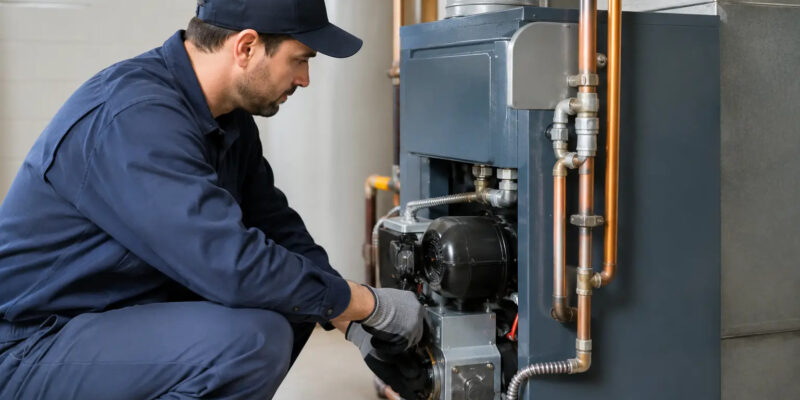
A furnace that needs two service calls in one winter is not automatically ready for the scrap pile. But when repairs become frequent, fuel use climbs, or certain parts are no longer available, waiting can turn a manageable replacement into an emergency. This oil furnace replacement guide helps homeowners make that call with a clear view of system condition, comfort needs, and long-term operating costs.
In Northeastern Pennsylvania, an oil furnace has to handle more than a few cold mornings. It must perform through extended winter weather while working with the home’s ductwork, thermostat, fuel tank, chimney or venting arrangement, and sometimes an air-conditioning system. Replacement is not simply a matter of placing a new furnace where the old one stood. A proper evaluation looks at the whole heating system.
When an Oil Furnace Should Be Replaced
Age matters, but it is not the only factor. Many well-maintained oil furnaces can provide dependable service for 20 years or longer. Still, an older unit may become expensive to operate or difficult to repair before it stops producing heat altogether.
Consider replacement when the furnace needs major repairs, such as a heat exchanger, burner assembly, control replacement, or repeated fuel-system work. A single repair may be reasonable. The concern is the pattern: service calls that return every season, increasing repair costs, inconsistent operation, or a unit that fails when demand is highest.
Fuel consumption is another useful signal. If your household’s heating habits have not changed but oil deliveries are increasing, the furnace may be losing efficiency. Dirty components, poor combustion, leaking ducts, and thermostat issues can all contribute, so a professional inspection should identify the cause before assuming replacement is the answer.
Comfort problems also deserve attention. Cold rooms, excessive cycling, soot around registers, rumbling starts, oil odors, or unusually dry and uneven heat may point to furnace or distribution-system issues. Replacing the furnace can help, but only if the underlying ductwork, airflow, and control concerns are addressed as part of the project.
Repair or Replace? Start With the Real Condition
The best decision depends on the age of the equipment, the nature of the repair, and how long you plan to own the property. For a newer furnace with a straightforward issue, repair is often the sensible choice. For an aging furnace that requires a costly repair and has a history of problems, replacement may offer more predictable costs and better comfort.
Ask your contractor to explain the condition of the heat exchanger, burner, combustion chamber, blower motor, controls, and fuel supply components. This gives you more useful information than a general statement that the equipment is old. You should also ask whether replacement parts remain readily available and whether the existing unit is operating safely and efficiently.
For commercial properties, rental buildings, and facilities with critical operating hours, reliability carries additional weight. An unexpected heating outage can affect tenants, customers, equipment, or production. A planned replacement allows time to select equipment, schedule work, and coordinate any related electrical, duct, ventilation, or fuel-tank needs.
Choosing the Right Replacement Furnace
A new oil furnace should be selected for the building, not just matched to the old nameplate. Older systems are often oversized because equipment was chosen using broad rules of thumb rather than the home’s actual heat loss. Oversizing can cause short cycling, uneven temperatures, and unnecessary wear.
A contractor should consider the building size, insulation levels, window condition, ceiling heights, air leakage, duct capacity, and local winter design temperatures. Additions, finished basements, new windows, or insulation upgrades can all change the heating load. The goal is a furnace that can maintain comfort during severe weather without being larger than necessary.
Efficiency ratings are important, but they are only one part of the decision. A higher-efficiency oil furnace may reduce fuel use, yet the value depends on installation cost, annual heating demand, fuel prices, and how well the entire system is maintained. Homeowners should compare expected operating costs rather than focusing only on the highest available rating.
It is also worth evaluating whether oil remains the best fuel for the property. Some homes may benefit from staying with a modern oil furnace, particularly where an existing oil tank and distribution system are in good condition. Others may want to compare propane, natural gas where available, heat pumps, geothermal systems, or a dual-fuel arrangement. The right answer depends on utility access, electrical capacity, building layout, budget, and comfort expectations.
What a Complete Oil Furnace Replacement Includes
An installation quote should define more than the furnace model. It should explain the work needed to make the system safe, code-compliant, and capable of delivering the equipment’s intended performance.
The project may include removal and disposal of the existing furnace, installation of the new unit, fuel-line evaluation, burner setup, electrical connections, thermostat upgrades, and testing of safety controls. Depending on the equipment and home, it may also require chimney liner work, venting changes, condensate drainage, return-air improvements, filter rack replacement, or duct modifications.
If the furnace also supports central air conditioning, the indoor coil and refrigerant components should be evaluated before installation begins. A new furnace blower may affect airflow requirements for the cooling system. This is one reason it helps to work with a contractor that understands heating, cooling, plumbing, and related mechanical systems instead of treating each component as separate.
The oil tank deserves attention as well. A sound, properly maintained tank may remain in service, but the contractor should inspect accessible lines, filters, valves, and signs of corrosion or leakage. An aging tank or questionable fuel line can create avoidable risk after investing in a new furnace.
Questions to Ask Before Approving the Work
A replacement proposal should make it easy to understand what you are buying and why. Ask how the furnace size was determined, what efficiency rating is being quoted, and whether any ductwork or venting changes are recommended. Confirm whether permits, removal of the old equipment, startup, and combustion testing are included.
You should also ask about warranty coverage and ongoing service requirements. Oil-fired equipment needs regular maintenance to operate efficiently and reliably. Annual service typically includes cleaning, inspection, filter replacement, burner adjustment, fuel-system checks, and combustion testing. Skipping maintenance can reduce efficiency and shorten component life, even on a new furnace.
For property managers and facility operators, clarify the installation schedule and contingency plan. Determine how long the heat will be off, whether temporary heat is needed, and whether work can be scheduled around tenant occupancy or business operations. Planning these details early prevents a heating upgrade from becoming an operational disruption.
Preparing Your Home for Installation Day
Before the crew arrives, clear a safe path to the mechanical room, basement, or utility area. Remove stored items around the furnace and ensure access to electrical panels, fuel controls, and duct connections. If the work area is in a finished space, ask the contractor what dust-control and floor-protection measures will be used.
Expect the installation team to shut down the old system, remove equipment, complete connections, and test the new furnace before leaving. Final startup should include verification of burner operation, airflow, safety controls, thermostat response, and combustion performance. Do not hesitate to ask for a walkthrough of the new controls, filter location, and recommended maintenance schedule.
Plan Replacement Before the Next Failure
The most favorable time to replace an aging oil furnace is usually before it quits during a cold spell. A planned project gives you time to compare options and make improvements that support better comfort for years ahead. Hydrodynamics Inc. helps homeowners and property managers across Northeastern Pennsylvania evaluate existing heating systems, identify related mechanical needs, and install equipment suited to the building.
If your oil furnace is becoming unreliable, start with an honest system assessment rather than waiting for the next no-heat call. A well-planned replacement can protect your comfort, control future repair surprises, and give your property a heating system ready for the winters ahead.