How to Fix Uneven Airflow in Ducts

How to Fix Uneven Airflow in Ducts

Uneven airflow in your home can make rooms uncomfortable, overwork your HVAC system, and increase energy bills. Here’s how you can address the problem:

  • Test airflow: Check vents and returns for blockages or weak airflow.
  • Adjust dampers: Fine-tune damper settings to balance air distribution.
  • Seal duct leaks: Inspect and seal gaps or disconnections in ductwork.
  • Check duct size: Ensure ducts are properly sized for your system.
  • Add booster fans: Improve airflow in hard-to-reach areas.

If DIY fixes don’t work or the issue persists, it’s best to call an HVAC professional for a thorough evaluation. Hydrodynamics Inc., for example, specializes in diagnosing and solving airflow problems to restore comfort and efficiency.

Finding the Source of Uneven Airflow

Signs of Airflow Problems

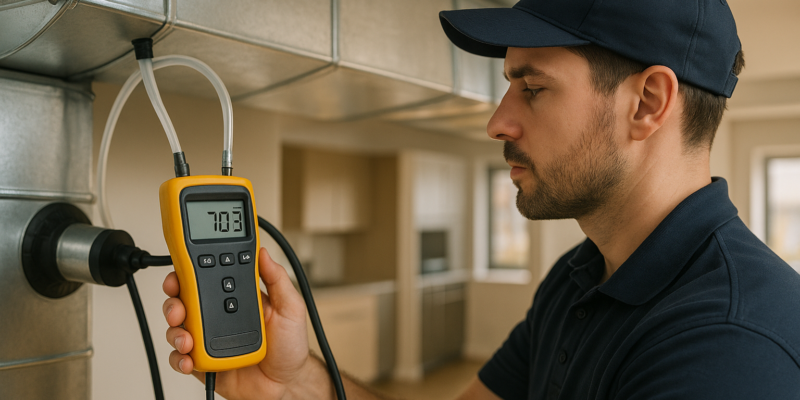
Uneven airflow often appears as temperature differences between rooms or weak output from vents. Start by checking for blockages in your vents and returns. To narrow down the issue, focus on these key areas:

Common Problem Spots

Problem Area Common Issues What to Check
Supply Vents Blocked dampers or obstructions Ensure vents are clear and properly adjusted
Return Vents Obstructions or wrong sizing Check for steady airflow and clear obstructions
Duct Connections Loose joints or disconnections Look for leaks and secure any loose fittings

Start your inspection here. Fixing problems in these areas is crucial to restoring balanced airflow throughout your home.

How to Balance a Forced Hot-Air System | This Old House

This Old House

Using Dampers to Fix Airflow

Duct dampers help regulate how air is distributed throughout your home. They come in different designs, and the best settings depend on how your system is set up. Standard settings often don’t work for every home, which is why fine-tuning may be necessary.

There’s no universal damper setting that works for all systems. Adjusting them properly is essential to ensure your home gets balanced airflow and stays comfortable.

If you’re unsure about making these adjustments yourself, an HVAC professional can evaluate your system and make the necessary changes to improve airflow. For expert help, consider reaching out to Hydrodynamics Inc., a reliable name in HVAC services.

Fixing Duct Leaks

Leaky ductwork can hurt your HVAC system’s efficiency, leading to uneven airflow and higher energy costs. Sealing these leaks ensures better air distribution and system performance.

Finding Duct Leaks

Start by visually inspecting accessible ducts. Pay close attention to:

  • Connection points: Where ducts connect to vents, registers, or the HVAC unit.
  • Seams and joints: Where duct sections meet.
  • Flexible duct connections: Where flexible ducts attach to rigid ones.

Turn on your HVAC fan and feel for escaping air around these areas. A smoke pencil can also help – watch how the smoke moves to pinpoint leaks. Once identified, you can seal these problem spots with the right materials.

Best Materials for Sealing

Choose materials specifically made for HVAC systems to ensure durability. Here are some common options:

Material Type Best Used For
Mastic Sealant Sealing larger gaps
UL-181 Foil Tape Fixing small holes
Butyl Tape Securing metal-to-metal joints

Important: Regular duct tape is not suitable for HVAC repairs as it breaks down quickly and isn’t approved for these applications.

Key Areas to Seal

Focus on sealing these areas for the best results:

  1. Supply plenum connections: Where air exits the HVAC unit.
  2. Return air connections: Where air is pulled back into the system.
  3. Branch duct takeoffs: Where smaller ducts split from main trunk lines.

Clean all surfaces before sealing to ensure proper adhesion, and apply the sealant evenly. For larger systems or areas that are hard to reach, consider hiring a professional. HVAC technicians have tools to detect hidden leaks and can ensure thorough repairs. If needed, experts like Hydrodynamics can help keep your system running efficiently.

Other Ways to Fix Poor Airflow

If you’ve already tackled dampers and sealed leaks but airflow still isn’t right, additional steps might be necessary.

Duct Size Problems

Incorrectly sized ductwork can lead to uneven airflow. Common signs include:

  • Whistling sounds coming from vents
  • High static pressure in the system

If your ductwork is too small or too large, it may need to be replaced. This is especially true if you’ve upgraded your system or made additions that don’t match the original duct sizes.

Adding Booster Fans

Booster fans can help improve airflow in areas where it’s weak or inconsistent, such as:

  • Rooms far from the main HVAC unit
  • Second-floor spaces
  • Finished basements

Here’s a quick guide to different types of booster fans:

Booster Fan Type Best Application Installation Location
In-line Duct Fan Long duct runs Inside the ductwork
Register Booster Single room fixes At the vent opening
Zone Booster Multiple room improvement Branch duct connection

If these solutions don’t resolve the problem, it’s time to bring in a professional.

Professional Help

When adjustments and basic fixes aren’t enough, it’s smart to call in HVAC professionals. You should consider expert help if:

  1. Multiple fixes have failed
  2. The system’s performance is getting worse
  3. Complex ductwork changes are required

Persistent airflow problems often require a thorough evaluation. Companies like Hydrodynamics offer certified technicians who specialize in diagnosing and solving these kinds of issues.

Conclusion

To tackle uneven airflow, take a step-by-step approach. Adjust damper settings, seal any leaks, and confirm that your ductwork is correctly sized to enhance your HVAC system’s performance and efficiency.

Routine maintenance can help you avoid:

  • Increased energy costs
  • Inconsistent temperatures in your home
  • Excessive wear on HVAC equipment
  • Expensive emergency repairs

By staying on top of maintenance, you reduce the risk of these problems and limit the need for major repairs. Aim to schedule professional HVAC maintenance at least once a year. During these checkups, technicians can spot potential problems early and handle important tasks like replacing air filters and inspecting vents to keep your system running smoothly.

If you’ve already tried DIY fixes – such as adjusting dampers or sealing leaks – but still experience airflow problems, it’s time to call in a professional. At Hydrodynamics, our certified technicians are ready to conduct thorough system evaluations and provide effective solutions to restore balanced airflow in your home.

FAQs

What are the signs of uneven airflow in my home, and how can I check for them?

Uneven airflow in your home can make some rooms feel too hot or too cold, even when your HVAC system is running. Common signs include noticeable temperature differences between rooms, weak airflow from certain vents, or higher energy bills due to your system working harder to maintain comfort.

To confirm uneven airflow, check each vent for consistent air pressure and temperature. You can use your hand to feel the airflow or a thermometer to measure temperature differences between rooms. If you notice significant discrepancies, it may indicate issues like blocked vents, duct leaks, or improper damper settings that need attention.

How can I tell if my ductwork is the wrong size for my HVAC system?

If your ductwork is the wrong size, you may notice uneven airflow, inconsistent temperatures, or higher energy bills. Oversized or undersized ducts can restrict airflow, causing your HVAC system to work harder than it should.

To determine if your ductwork is improperly sized, look for these signs:

  • Hot or cold spots in different areas of your home
  • Weak airflow from vents
  • Noisy operation when the HVAC system is running
  • Frequent cycling of the system

If you suspect your ductwork is the wrong size, a professional HVAC technician can perform an evaluation and recommend adjustments or replacements. Hydrodynamics Inc. specializes in diagnosing and resolving ductwork issues to ensure your system operates efficiently and effectively.

Should I try fixing uneven airflow in my ducts myself or hire a professional?

Deciding whether to tackle uneven airflow in your ducts yourself or hire a professional depends on the complexity of the issue. Simple adjustments, like opening or closing dampers, may be manageable for most homeowners. However, more involved problems, such as sealing duct leaks or addressing significant airflow imbalances, often require professional expertise.

Hiring a professional, like Hydrodynamics Inc., ensures the issue is diagnosed and resolved efficiently. Professionals have the tools and training to restore your system’s performance, saving you time and potentially avoiding costly mistakes.

Geothermal Heat Pump Electrical Issues: Common Fixes

Geothermal Heat Pump Electrical Issues: Common Fixes

Geothermal heat pumps rely on electrical systems to function effectively, but problems like frequent cycling, strange noises, or uneven heating can signal issues. Here’s how to address them:

  • Key Components to Monitor:
    • Control Board: Manages system operations; issues include sensor failures or programming errors.
    • Capacitors: Essential for motor function; look for weak starts or failures.
    • Wiring & Relays: Loose connections or damaged wires can cause erratic behavior.
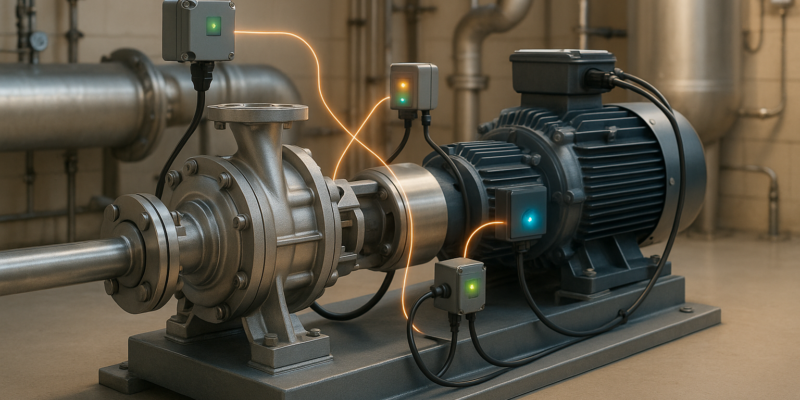
    • Pump Motors: Problems like burned windings or vibrations can disrupt fluid circulation.
  • Common Signs of Trouble:
    • Tripped breakers, blown fuses, or voltage drops.
    • Clicking sounds, burning odors, or inconsistent operation.
    • Motor overheating, buzzing noises, or delayed starts.
  • Quick Fixes:
    • Tighten loose connections, replace blown fuses, or clean relay contacts.
    • Inspect wiring for damage and replace faulty capacitors.

Regular Maintenance Tips:

  • Monthly: Check for unusual sounds or performance drops.
  • Quarterly: Test safety switches and clear debris from vents.
  • Annually: Full system inspection and calibration.

For complex issues like motor replacements or persistent electrical failures, consult a certified HVAC technician. Hydrodynamics Inc. specializes in diagnosing and repairing geothermal systems to keep them running efficiently.

How to Troubleshoot a Run Capacitor on a Modine Geothermal Heat Pump

Modine

Main Electrical Parts

Understanding the main electrical components of your geothermal heat pump can help you spot potential issues early and keep the system running smoothly. These parts work together to ensure consistent performance.

Basic Component Guide

The control board acts as the system’s brain, coordinating sensors and managing operational timing.

Geothermal systems rely on two types of capacitors:

  • Start capacitors: Deliver the initial energy needed to start the motor.
  • Run capacitors: Maintain steady motor operation over time.

Key electrical components for the compressor include:

  • Contactor: Regulates power flow to the compressor.
  • Start relay: Oversees the startup process.
  • Overload protector: Shields the system from excessive current.

Circulation pump motors are made up of:

  • Motor windings
  • Terminal connections
  • Speed controllers
  • Thermal protection switches

The thermostat wiring system includes:

  • Low-voltage control circuits
  • Terminal connections
  • Safety switches
  • Zone control relays

Common Components and Issues

Component Primary Function Common Issues
Control Board Manages system operation Programming errors, sensor failures
Capacitors Powers the motor Weak starting power, complete failure
Compressor Electronics Directs power flow Worn contacts, relay malfunctions
Pump Motors Circulates system fluid Burned windings, bearing issues
Thermostat Wiring Regulates temperature Loose connections, wire damage

Regular inspections of these components are crucial for maintaining system efficiency. Professional technicians use specialized tools to test and repair these parts, so always rely on a qualified technician for electrical repairs. For expert service, reach out to Hydrodynamics Inc.

Up next: Learn how to recognize common warning signs.

Common Problems and Warning Signs

Spotting issues early can save you from expensive repairs and system breakdowns. Here are some key areas to keep an eye on.

Power Problems

Power-related issues can disrupt your system’s performance. Watch out for:

  • Tripped circuit breakers: Frequent trips might mean an overloaded circuit or a short.
  • Blown fuses: Repeated fuse failures often point to electrical issues.
  • Voltage fluctuations: If lights dim or the system loses power during operation, there may be a problem with the power supply.

Your geothermal system should use power consistently. Sudden changes in electrical behavior should be checked by a qualified technician.

Relay and Wiring Issues

Problems with relays and wiring can lead to inconsistent operation or even complete system failure. Here’s what to look for:

Warning Sign Likely Cause Impact
Clicking sounds Faulty relay contacts Irregular cycling of the system
Burning odors Damaged wire insulation Potential safety hazard, system shutdown
Erratic operation Loose connections Reduced efficiency, possible damage
Control board errors Corroded wiring System malfunction

Inspect wiring for discoloration, loose terminals, or corrosion – these are clear signs of trouble.

Motor and Pump Failures

Electrical issues with motors and pumps can lead to various warning signs. Pay attention to the following:

Blower Motor Problems:

  • Strange humming or buzzing noises
  • Motor feels hot to the touch
  • Delayed startup or failure to start
  • Uneven airflow

Circulation Pump Issues:

  • Noticeable vibrations during operation
  • Irregular cycling patterns
  • Reduced heating or cooling performance
  • Electrical overload warnings

If you spot any of these signs, get your system checked by a certified technician right away. Hydrodynamics Inc. offers expert diagnosis and repair for geothermal heat pump electrical problems, ensuring your system runs safely and effectively.

Even minor signs can indicate bigger issues. Professional evaluation is crucial.

Next, find out how to identify these problems using safety checks and testing equipment.

Problem Detection Steps

Identifying electrical problems in geothermal heat pumps requires careful safety measures and accurate diagnostics. Follow these steps to locate issues and determine the best course of action.

Safety and Visual Checks

  1. Power Disconnection
    Turn off the power at both the circuit breaker and the disconnect switch. Use a voltage tester to confirm the power is off.
  2. Visual Inspection
    Examine all accessible components for potential issues. Here’s what to check:
Component What to Look For Warning Signs
Wire Insulation Color and texture Browning or brittleness
Terminal Connections Tightness and corrosion Loose screws or green deposits
Relay Contacts Surface condition Black spots or pitting
Capacitors Physical appearance Swelling or oil leakage

Using Test Equipment

Once you’ve completed the visual inspection, move on to testing the system using the right tools.

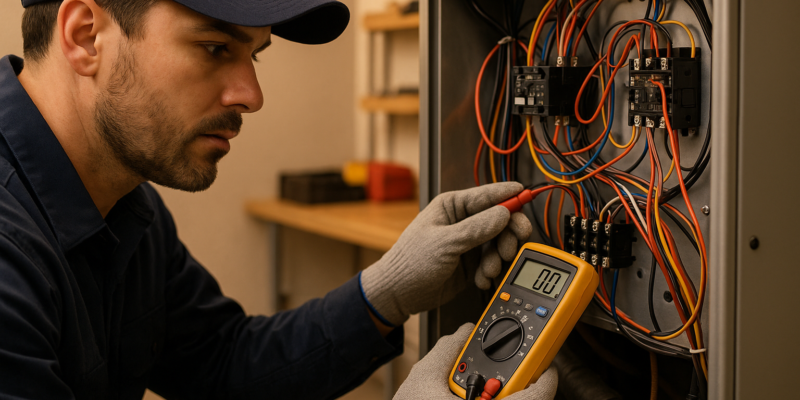
  • Voltage Testing:
    • Set your digital multimeter to the AC voltage range (usually 240V).
    • Test the incoming power at the disconnect switch.
    • Measure voltage at terminal connections.
  • Resistance Testing:
    • Switch the multimeter to ohms (Ω) to check wire continuity and connections.
    • Test motor windings for proper resistance levels.
    • Measure relay contact resistance to ensure functionality.

Component Reset and Replacement

Sometimes, a simple reset can resolve minor faults. After resetting, inspect all connections before turning the power back on.

If the reset doesn’t work or if you find damaged components (e.g., bulging or leaking capacitors), replacement may be necessary. For parts like relays or components with stored electrical charge, consider consulting a professional technician.

For expert diagnostics and repairs, reach out to Hydrodynamics Inc. Their certified technicians have the skills and tools to handle your geothermal heat pump system.

Fixes and Maintenance

Basic Repairs

Here are some key fixes to ensure your system runs smoothly:

Connection Tightening
Make sure all connections at terminal blocks, contactors, and breakers are secure. Loose connections can cause system malfunctions and safety risks.

Fuse Replacement
Replace any blown fuses with ones that match the original ratings exactly. Using the wrong type can lead to further issues.

Component Repair Task Tools Needed
Terminal Blocks Torque to specifications Calibrated torque screwdriver
Contactors Clean contact surfaces Contact cleaner, fine-grit sandpaper
Ground Connections Check and tighten Wire strippers, crimping tool
Control Board Inspect for damage Multimeter, thermal camera

Sticking to regular maintenance alongside these repairs can help prevent recurring problems.

Regular Upkeep

Keep your system in top shape by following these routine checks:

Monthly Checks

  • Monitor overall system performance and listen for unusual sounds.
  • Inspect circuit breakers for any signs of wear or damage.
  • Look over wiring for signs of fraying or deterioration.

Quarterly Maintenance

  • Test all safety switches and control mechanisms.
  • Clear out any dust or debris from electrical cabinet vents.
  • Measure and record operating temperatures.

Annual Service

  • Perform a full inspection of the electrical system.
  • Test all safety controls to ensure proper function.
  • Update maintenance logs with detailed records.
  • Calibrate thermostats and sensors for accuracy.

Professional Service Guide

Some issues require expert attention. Reach out to Hydrodynamics Inc. for assistance with:

  • Faulty circuit boards
  • Motor replacements
  • Persistent electrical odors
  • Frequent circuit breaker trips
  • Complicated control system problems

Hydrodynamics Inc. has over 29 years of experience in geothermal system repairs. Their certified technicians offer advanced diagnostic services, replacement of factory-authorized parts, system adjustments, safety checks, and performance verification.

To keep your system running efficiently and avoid costly breakdowns, schedule professional maintenance at least once a year. Regular checkups can catch potential problems early, saving you time and money in the long run.

Conclusion

The steps and tips shared above are essential for keeping geothermal heat pumps running smoothly. Addressing electrical issues requires a careful, safety-first approach. By understanding the main components, using the right testing tools, and sticking to a regular maintenance routine, you can stop small problems from turning into big ones.

While simple issues might be handled with a quick visual check or tightening loose connections, more advanced problems should always be left to certified HVAC technicians. These professionals bring the tools and expertise needed to accurately diagnose and fix complex faults in these systems.

Staying on top of scheduled maintenance helps your system last longer and run more efficiently. A thorough maintenance plan not only keeps your system in top shape but also lowers repair costs and ensures safe operation.

Because electrical work on geothermal systems can be tricky and requires strict safety measures, it’s always best to consult a certified HVAC professional if you’re unsure. Hydrodynamics Inc. provides skilled, certified technicians who are experts in diagnosing and fixing electrical issues in geothermal heat pumps, helping to keep your system reliable and efficient.

FAQs

What are the common electrical problems in geothermal heat pumps, and how can you spot them early?

Geothermal heat pumps can occasionally face electrical issues that impact their performance. Frequent problems include tripped circuit breakers, faulty capacitors, or loose wiring connections. These issues can cause the system to stop running or operate inefficiently.

To identify problems early, watch for signs like unusual noises, frequent system shutdowns, or inconsistent heating and cooling. Regular maintenance and inspections can help catch these issues before they lead to costly repairs. If you’re unsure, consider reaching out to a professional HVAC service like Hydrodynamics Inc. for expert diagnosis and repair.

How does regular maintenance help prevent electrical issues in geothermal heat pumps?

Regular maintenance plays a crucial role in preventing electrical problems in geothermal heat pumps. By scheduling routine inspections, technicians can identify and address potential issues like loose connections, faulty wiring, or worn-out components before they escalate into costly repairs.

Maintenance tasks such as cleaning electrical contacts, checking voltage levels, and ensuring proper system grounding help keep the heat pump operating efficiently and safely. This proactive approach not only extends the lifespan of your system but also reduces the risk of unexpected breakdowns and improves energy efficiency, saving you money on utility bills over time.

How do I know when to call a certified HVAC technician for electrical problems with my geothermal heat pump?

If your geothermal heat pump is experiencing persistent electrical problems, such as frequent tripped breakers, unusual noises, or inconsistent operation, it’s a good idea to call a certified HVAC technician. These issues can indicate underlying electrical faults that require professional expertise to diagnose and repair safely.

Additionally, if you notice burning smells, your system won’t start, or it shuts down unexpectedly, don’t attempt to fix it yourself. Electrical components in geothermal systems are complex and best handled by trained professionals to avoid further damage or safety risks.

How to Choose Energy-Efficient Rooftop Units

How to Choose Energy-Efficient Rooftop Units

Want to save on energy bills and improve comfort in your commercial space? Choosing the right energy-efficient rooftop unit (RTU) is key. Here’s what you need to know:

  • Key Features: Look for variable-speed fans, smart controls, and multi-stage compressors to reduce energy use.
  • Efficiency Ratings: Check for SEER2, EER, and IEER values that exceed DOE standards. ENERGY STAR models are ideal.
  • Sizing Matters: Match the RTU size to your building’s square footage, insulation, and occupancy.
  • Maintenance: Regular filter changes, coil cleaning, and professional inspections can extend the RTU’s life (typically 15–20 years).

Pro Tip: Advanced RTUs with smart controls and energy recovery systems can further cut costs and improve performance. For expert advice, consult certified technicians.

Keep reading for a detailed breakdown of RTU components, efficiency metrics, and maintenance tips.

What Makes RTUs Energy-Efficient

RTU Basics and Components

RTUs (Rooftop Units) are designed with several components that help reduce energy consumption:

  • ECMs (Electronically Commutated Motors) use up to 20% less energy compared to traditional PSC motors.
  • Smart sensors and controls adjust airflow and temperature dynamically based on real-time conditions.
  • Advanced heat exchangers improve heat transfer efficiency by as much as 30%.

These systems are made up of outdoor components (like the compressor and condenser) and indoor modules (such as the evaporator and air handler).

Cost and Energy Benefits

By aligning capacity with actual demand, RTUs minimize unnecessary cycling, which helps reduce energy waste. Advanced controls can also lower peak demand charges. Operating with less stress means fewer service calls and longer equipment life. Other perks include more consistent temperatures, improved air quality with high-MERV filters and demand-controlled ventilation, and a reduced environmental impact.

These factors are essential when determining the right size for your RTU.

How to Select the Right RTU

Size and Load Requirements

To properly size your rooftop unit (RTU), calculate the cooling and heating loads based on key building factors:

  • Square footage: Total area of the space to be conditioned.
  • Building envelope: Consider insulation levels, window types, and air infiltration.
  • Peak occupancy: Account for the number of people typically present.
  • Heat-generating equipment: Include items like computers, machinery, and lighting.

Once you’ve determined the appropriate size, review efficiency metrics to ensure optimal performance.

Energy Ratings Guide

When comparing RTUs, pay attention to efficiency ratings like SEER2, Energy Efficiency Ratio (EER), and Integrated Energy Efficiency Ratio (IEER). Opt for models with the ENERGY STAR label, as they meet high-performance standards for energy savings.

Modern RTU Technology

Many of today’s RTUs come with advanced features designed to boost efficiency and performance, such as:

  • Variable-speed compressors for better temperature control.
  • Smart controls that allow remote monitoring and adjustments.
  • Energy recovery ventilators to reuse energy from exhaust air.
  • Fault detection systems to identify issues early.

For even greater efficiency, integrate your RTU with a building automation system (BAS). This setup can adjust setpoints based on occupancy, manage zones, track energy use in real time, and send maintenance reminders.

For expert sizing, installation, and servicing, collaborate with Hydrodynamics‘ certified technicians to keep your RTU running efficiently.

Energence® Rooftop Unit

Energence

RTU Care and Service Life

Once you’ve chosen the right RTU, keeping it in good shape requires regular maintenance.

Routine Maintenance Tips

To ensure your RTU runs efficiently, follow these maintenance steps:

  • Replace filters every 1–3 months to keep airflow steady.
  • Clean coils every quarter to maintain efficient heat transfer.
  • Schedule professional checks twice a year (spring and fall) to inspect thermostat calibration, compressor performance, controls, and ductwork.

A technician should handle the biannual inspections to ensure everything is functioning as it should.

Signs It’s Time to Replace Your RTU

Most RTUs have a lifespan of 15–20 years [1]. Consider replacing your unit if you notice:

  • Higher energy bills, even with regular maintenance.
  • Frequent breakdowns or increasing repair costs.
  • Uneven temperatures, strange noises, or longer run times.

Hydrodynamics offers professional advice, maintenance plans, and replacement services to help keep your system running smoothly.

[1] RAG doc2 – Typical RTU lifespan

Conclusion

By following these guidelines – focusing on proper sizing, efficiency ratings, and easy service access – you can boost your RTU’s performance while reducing costs.

Since 1994, Hydrodynamics Inc., a family-owned business, has been helping customers with expert advice and certified technicians. They assess your load requirements, recommend energy-efficient RTUs, and offer maintenance services to keep your equipment running longer.

Get in touch with Hydrodynamics today to choose, install, and maintain your energy-efficient rooftop unit.

HVAC Compliance for Commercial Buildings

HVAC Compliance for Commercial Buildings

Staying compliant with HVAC regulations is crucial for safety, efficiency, and avoiding penalties. Here’s a quick summary of what you need to know:

  • Key Compliance Areas:
    • Energy standards: Ensure systems meet efficiency benchmarks through audits and adjustments.
    • Air quality rules: Follow ASHRAE and EPA guidelines for ventilation and contaminant control.
    • Refrigerant management: Adhere to EPA Section 608 for refrigerant handling and disposal.
  • Federal Standards: Governed by ASHRAE, EPA, and OSHA, focusing on energy, air quality, and workplace safety.
  • Local Rules: Vary by state and often expand on federal guidelines. Stay updated on regional requirements.
  • Testing & Certification: Regular inspections, air quality testing, and system performance checks are essential.

To stay compliant, work with certified technicians, maintain proper documentation, and plan for upcoming changes like refrigerant phase-outs and stricter efficiency standards.

Understanding HVAC Regulations And New Energy Efficiency …

HVAC Regulations for Commercial Buildings

Commercial HVAC systems must meet a range of federal, state, and local regulations to ensure safety, maintain efficiency, and avoid legal penalties.

Federal HVAC Standards

Several federal agencies oversee HVAC compliance for commercial buildings:

  • ASHRAE (American Society of Heating, Refrigerating and Air-Conditioning Engineers): Sets guidelines for energy efficiency and indoor air quality.
  • EPA (Environmental Protection Agency): Regulates refrigerants and emissions to protect the environment.
  • OSHA (Occupational Safety and Health Administration): Focuses on workplace safety, including HVAC system standards.

Building Code Requirements

Local building codes often reference or expand upon these federal standards, and they can vary significantly by location.

Hydrodynamics assists clients in navigating these regulations, ensuring systems operate efficiently while meeting all necessary requirements. Key compliance areas include energy use, air quality, and refrigerant management.

Main Compliance Areas

Compliance with federal and local standards for commercial HVAC systems revolves around three key areas: energy, air quality, and refrigerants.

Energy Standards

Federal guidelines dictate how HVAC systems are designed, tested, and maintained to ensure energy efficiency. Regular audits and benchmarking help identify inefficiencies and areas for improvement. Hydrodynamics provides energy audits and system adjustments to help businesses meet these requirements and maintain optimal performance.

Air Quality Rules

Indoor air quality (IAQ) standards, such as those outlined by ASHRAE 62.1 and the EPA, address ventilation, humidity, and contaminant levels. Staying compliant involves routine inspections, filter replacements, and air quality testing. Hydrodynamics offers IAQ evaluations and maintenance services to help maintain a healthier indoor environment.

Refrigerant Rules

Under EPA Section 608, only certified technicians can handle refrigerants, including tasks like recovery, leak detection, and disposal. Hydrodynamics’ EPA-certified team follows strict protocols for refrigerant recovery, leak repairs, and record-keeping to ensure compliance and promote safety.

Testing and Certification

Testing and certification play a key role in ensuring commercial HVAC systems meet federal standards and operate effectively. These processes confirm compliance with energy, air quality, and refrigerant regulations before systems are formally evaluated.

System Checks

Routine inspections and maintenance are essential. Here’s what’s typically done:

  • Visual inspections of equipment and controls
  • Filter replacements, belt tightening, and securing electrical connections
  • Thermostat and sensor calibration for accurate readings
  • Documentation of inspection dates, performed actions, and results

Testing Methods

Certified technicians use established testing methods to assess systems based on energy efficiency and indoor air quality (IAQ) standards:

  • Air balancing to evaluate supply and return airflow, room pressures, and ventilation rates
  • Efficiency assessments to measure system performance (refer to Energy Standards for details)
  • Certification tests to ensure systems meet compliance benchmarks

It’s also important to stay informed about state and local testing regulations, as well as any upcoming changes.

Local Rules and Updates

HVAC compliance rules aren’t the same everywhere. Beyond federal guidelines, regional building codes and energy-office requirements play a big role. Staying informed about these local differences is crucial.

State Differences

Each state adjusts HVAC regulations based on its climate and energy goals. For example, states may have specific rules about equipment efficiency, ventilation standards, inspections, and reporting. Always check with your state’s building codes and energy offices to ensure compliance.

New Standards

Recent updates include higher minimum efficiency requirements, stricter indoor air quality (IAQ) checks, and the need for digital record-keeping along with performance monitoring systems. These changes aim to improve system reliability and environmental impact.

Upcoming Changes

Future regulations are set to phase out refrigerants with high global warming potential (GWP), promote the use of advanced building automation, and require continuous performance tracking for HVAC systems.

To prepare, keep an eye on regulatory updates, audit your current systems, and work with certified HVAC experts to ensure a smooth transition. For more guidance, check out our compliance checklist to make sure you’re covering all bases.

Summary

Staying compliant with commercial HVAC regulations requires meeting specific standards and conducting regular system inspections.

Compliance Checklist

Here are the main areas to focus on:

  • Equipment efficiency: Ensuring systems meet energy standards.
  • Indoor air quality: Adhering to air quality regulations.
  • Refrigerant management: Following rules for refrigerant use and disposal.
  • System performance: Regular testing and obtaining necessary certifications.
  • Safety protocols: Meeting building code requirements.
  • Documentation: Keeping records like technician credentials and inspection reports up to date.

Hydrodynamics Support

Hydrodynamics

Hydrodynamics provides services such as HVAC repair, replacement, maintenance, installations, and preventative care programs. Their technicians are certified in ASSE Backflow Testing, EPA 609, TracPipe, and GasTite, ensuring quality and compliance.

10 Tips To Extend HVAC System Lifespan

10 Tips To Extend HVAC System Lifespan

Your HVAC system is a big investment, and taking care of it can save you money, improve home comfort, and avoid costly repairs. Here’s how to make it last longer:

  • Schedule Regular Maintenance: Book professional checkups twice a year – spring for cooling, fall for heating.
  • Replace Air Filters: Change filters regularly to maintain airflow and prevent system strain.
  • Clean Air Ducts: Keep ducts free from dust and debris to improve efficiency.
  • Use a Smart Thermostat: Automate temperature control to reduce wear and lower energy use.
  • Clear Outdoor Units: Remove debris and keep at least 2 feet of space around the unit.
  • Seal Duct Leaks: Prevent air loss by sealing and insulating ductwork.
  • Check Home Insulation: Improve insulation in attics, walls, and basements to ease system workload.
  • Set Fan to “Auto”: Avoid running the fan continuously to reduce motor wear.
  • Fix Issues Quickly: Address small problems early to prevent costly breakdowns.
  • Work with Professionals: Partner with certified technicians for expert care and repairs.

These simple steps can extend your HVAC system’s lifespan, improve efficiency, and save you money over time.

How Do I Prolong the Life of My HVAC System? | Western …

1. Book Regular Maintenance Checks

Scheduling regular HVAC maintenance helps keep your system running smoothly and avoids expensive repairs. Aim to schedule these checks twice a year – once in early spring for cooling and again in early fall for heating. This timing ensures that any potential problems are addressed before peak usage.

During these visits, certified technicians handle key tasks, such as:

  • Testing system performance to ensure efficiency
  • Inspecting electrical connections for wear and tear
  • Calibrating the thermostat for accurate operation
  • Cleaning components to remove dust buildup

Keeping up with maintenance not only extends the life of your HVAC system but also ensures it operates efficiently. Hydrodynamics Inc. offers comprehensive maintenance programs, including detailed inspections of every component. Schedule your spring and fall maintenance today to stay ahead of potential issues.

2. Change Air Filters on Schedule

Replacing your air filters regularly is key to keeping your HVAC system running smoothly and lasting longer. Clean filters prevent dust and debris from clogging important components, reduce strain on the system, and maintain proper airflow. The first step is figuring out how often to change them based on your household’s needs.

The replacement schedule depends on factors like indoor air quality. For example:

  • A single-person household might need a change every few months.
  • Homes with pets or high activity levels may require monthly replacements.
  • Vacation homes typically need less frequent changes.

Choose filters with the right MERV rating for your system. Filters rated between 8 and 13 work well for most residential setups, offering good filtration without restricting airflow too much. However, using filters with higher ratings can strain your system if it’s not designed for them.

To stay on track, mark your calendar for filter changes, check them periodically, and keep extras on hand. Always follow the directional arrows when installing new filters.

A clogged filter makes your HVAC system work harder, which can lead to higher energy bills and potential damage. If you’re not sure which filter or schedule is best for your setup, Hydrodynamics Inc. can help with tailored advice based on your system and usage.

3. Keep Air Ducts Clean

Dust and debris in your air ducts can block airflow, making your system work harder and lowering its efficiency. Look out for signs like dust buildup around vents, inconsistent temperatures between rooms, or musty smells – these often indicate it’s time for a professional cleaning.

Here are some signs your ducts might need attention:

  • Dust collecting around air vents
  • Uneven heating or cooling across rooms
  • Musty smells coming from the vents

DIY cleaning usually isn’t enough to tackle the hidden buildup inside ducts. Professional services, like those offered by Hydrodynamics Inc., use specialized tools to thoroughly clean your air ducts without causing damage.

If you notice any of these issues, don’t wait – schedule a professional duct cleaning to keep your system running smoothly.

4. Use a Smart Thermostat

A smart thermostat helps lower energy bills and reduces wear on your HVAC system by maintaining steady temperature control and limiting unnecessary use.

Here’s what makes it effective:

  • Automated scheduling: Keeps your system running smoothly without constant manual adjustments.
  • Learning capabilities: Adjusts to your daily habits, cutting down on frequent on/off cycling.
  • Remote control: Lets you avoid extreme, sudden temperature changes from anywhere.

By preventing short cycling – when your system turns on and off too often – a smart thermostat supports longer, more efficient operating cycles.

For the best results, adjust temperatures gradually following the manufacturer’s instructions. It’s also a good idea to have a professional handle the installation and calibration to ensure everything is set up correctly.

Adding a smart thermostat is a simple way to enhance your system’s performance while pairing well with regular maintenance.

5. Keep Outdoor Units Clear

Make sure your outdoor HVAC unit has proper airflow. When debris builds up, it forces the system to work harder, which can lead to more wear and tear and a shorter lifespan.

Maintain at least 2 feet of space around all sides of the unit. Regularly take these steps to keep the area clear:

  • Remove grass clippings, leaves, and twigs from around the unit
  • Trim back shrubs and plants nearby
  • Clear snow and ice during winter
  • Keep storage items away from the unit

Check the top of the unit for debris, especially after storms. Leaves and other materials can fall through the grille and block internal parts. You can gently clean the exterior, but avoid using pressure washers – they can damage the delicate fins.

Using a protective cover in the fall can help keep leaves out, but be sure to remove it before using the system.

Inspect the base of the unit to ensure it’s level and stable. An uneven foundation can cause vibrations that wear down components faster. If the concrete pad is settling or cracking, have a professional check it out.

For best results, schedule professional cleaning of the condenser coils at least once a year. This removes dirt and grime that regular maintenance can’t handle, improving heat transfer and system efficiency. Stick to these steps, and your unit will run smoothly until its next professional inspection.

Leave internal cleaning and repairs to the experts.

6. Fix Duct Leaks and Add Insulation

Sealing and insulating your ducts is key to keeping your HVAC system running efficiently and lasting longer. When air leaks out or insulation is lacking, your system has to work harder, which can wear it out faster.

Check your ductwork by looking at accessible areas like attics, basements, and crawl spaces. Look for gaps or disconnects where air might escape. If you spot leaks, use duct-specific sealing products to close them up. Adding insulation to the ducts helps keep air at the right temperature, reducing energy waste and improving system performance.

Taking these steps can help your HVAC system run more efficiently and last longer.

7. Check Home Insulation

Your home’s insulation plays a big role in how efficiently your HVAC system runs and how long it lasts. If your insulation isn’t up to par, your system has to work overtime, leading to quicker wear and tear.

Here are the key areas to focus on:

  • Attic: Proper insulation helps reduce heat loss.
  • Exterior Walls: Good insulation keeps indoor temperatures steady.
  • Basement/Crawl Space: Insulation here helps maintain consistent temperatures throughout your home.

Signs of poor insulation include uneven room temperatures, drafts, or rising energy bills. By improving your home’s insulation, you can ease the burden on your HVAC system and make sure all your maintenance efforts pay off.

8. Set Fan to “Auto” Mode

The fan setting on your HVAC system might seem like a small detail, but it has a big impact on energy use and system durability. Most systems give you two options: “On” and “Auto.” Choosing “Auto” means the fan runs only when heating or cooling is needed, while “On” keeps it running non-stop. Using the right setting can reduce wear and help your system last longer.

Here’s a quick breakdown of the differences:

Feature “Auto” Mode “On” Mode
Operating Time Runs only during heating/cooling cycles Runs continuously
Energy Usage Lower energy use Higher energy use
Motor Wear Less strain on the motor More wear on the motor
Filter Life Lasts longer, slower dust buildup Shortens due to constant airflow

Switching your fan to “Auto” can help you save energy, reduce strain on your system, and extend filter life. If you’re unsure about your settings, ask a professional to check them during your next service visit.

9. Fix Small Problems Quickly

Small HVAC issues can snowball into expensive repairs if ignored. Catching problems early and addressing them right away can save you from bigger headaches. Here are some common warning signs to watch for:

Warning Sign Possible Issue What Could Happen
Unusual noises Loose parts or failing components Total component failure
Weak airflow Blocked ducts or blower issues System strain and eventual breakdown
Short cycling Thermostat or sizing problems Higher energy bills and wear
Strange odors Mold or burnt wiring Health risks or potential fire
Inconsistent temperatures Failing parts or duct problems Reduced comfort and efficiency

Ignoring these signs makes your HVAC system work harder than it should, which speeds up wear and increases repair costs. Acting quickly when you notice changes in performance can prevent small problems from spiraling into major issues.

Calling a professional at the first sign of trouble not only helps avoid costly repairs but also keeps your system running efficiently for longer. Regular maintenance is key to ensuring your HVAC system stays in top shape.

10. Work with Hydrodynamics Inc.

Extend the life of your HVAC system by teaming up with seasoned professionals. Hydrodynamics Inc. specializes in HVAC maintenance and repair services designed to keep your equipment running smoothly and efficiently. Their proactive care approach aligns perfectly with the maintenance tips mentioned earlier.

Their certified technicians provide:

Service Type Benefits for Your System
Preventative Maintenance Identifies issues early, avoiding costly breakdowns
System Repairs Uses high-quality parts for durable fixes
Performance Optimization Fine-tunes systems to improve efficiency and reduce strain
Ductwork Service Cleans and seals ducts to enhance airflow and minimize wear
Energy Efficiency Updates Implements updates to lower stress and operating costs

Hydrodynamics Inc. employs EPA 609 Certified Technicians, ensuring they meet the highest industry standards. Their services include detailed inspections, expert cleaning, and precise adjustments to keep your HVAC system in top condition.

“Prompt, knowledgeable, and efficient”, says Emma K. from Drums, PA, praising the exceptional service that helps HVAC systems perform at their best.

They also handle a wide range of systems, including:

  • Central air conditioning systems
  • Heat pumps
  • Ductless mini-split systems
  • Industrial heating equipment
  • Rooftop HVAC units

Conclusion

The tips shared here can help keep your HVAC system running smoothly and dependably. Regular upkeep and thoughtful usage not only improve performance but also help avoid expensive replacements.

Simple actions like changing filters and clearing debris around outdoor units can stop small problems from turning into major headaches. Regular checkups, using smart thermostat settings, and addressing minor issues quickly are key to maintaining your system’s efficiency over the years.

Taking these steps ensures your HVAC system stays in great shape and protects your investment.

What Is Particulate Matter in HVAC Systems?

What Is Particulate Matter in HVAC Systems?

Particulate matter in HVAC systems refers to tiny particles, like dust, pollen, mold spores, and bacteria, that can affect air quality and system performance. These particles can reduce airflow, increase energy costs, and even pose health risks.

Key signs of particulate issues include:

  • Visible dust near vents
  • Higher energy bills
  • Weak airflow
  • Allergy symptoms
  • Strange odors

How to manage it:

  • Replace filters regularly
  • Clean ducts and vents
  • Schedule professional maintenance
  • Use high-efficiency filters (MERV ratings 9-16 for better air quality)

Indoor Air Quality (IAQ) Basics 3D

Understanding Particulate Matter

Particulate matter in HVAC systems consists of tiny airborne particles that get drawn into the system and circulate throughout indoor spaces. These particles often make their way inside through air intake vents, as well as gaps around doors and windows. Knowing how these particles enter your building highlights why maintaining your HVAC system is so important.

Keeping up with routine HVAC maintenance can significantly lower particulate matter levels, leading to better indoor air quality.

Effects on HVAC Systems

Let’s take a closer look at how particulate matter impacts HVAC systems, from where it accumulates to the problems it causes.

Where Particles Accumulate

Dust and debris tend to gather in specific HVAC components, which can reduce system efficiency over time. Key areas include:

  • Air Handler Units: Dust and debris collect on fan blades and motor housings, affecting performance.
  • Evaporator Coils: Particles stick to the cold, moist surfaces, leading to buildup.
  • Return Air Ducts: Particulates settle along bends and seams, restricting airflow.
  • Supply Vents: Debris gathers near registers and grilles, blocking proper air distribution.

How It Impacts Performance

When particulate matter builds up, it can lead to several performance issues that strain the system:

  • Restricted airflow: Clogged coils and ducts make it harder for air to move through the system.
  • Reduced heat transfer: Dirty coils can’t transfer heat efficiently, lowering system effectiveness.
  • Higher energy consumption: The system works harder to compensate for restricted airflow, increasing energy usage.
  • Faster wear and tear: Components wear out more quickly, shortening the system’s lifespan.

These problems not only reduce efficiency but also increase maintenance costs and energy bills.

Indoor Air Quality Concerns

The buildup of particles doesn’t just harm the HVAC system – it also impacts the air you breathe. Some common issues include:

  • Recirculated particles: Dust and debris get pushed back into the air, disrupting air balance.
  • Mold and bacteria growth: Moisture combined with trapped particles creates ideal conditions for harmful growth.
  • Unpleasant odors: Musty or stale smells often result from buildup in the system.

Regular professional cleaning and inspections can help prevent these issues, ensuring both system performance and better air quality.

Testing and Control Methods

Testing and control methods help address performance and air quality problems caused by particulate buildup.

Measurement Tools

Technicians rely on specialized tools to assess particulate levels. Commonly used equipment includes:

  • Particle Counters: Measure particles of various sizes in the air, typically from 0.3 to 10 microns.
  • Air Quality Monitors: Provide real-time data on particulate concentrations and air quality changes.
  • Duct Inspection Cameras: Allow visual inspection of ductwork for particle buildup without needing to disassemble the system.

Air Filter Options

Different air filters are available to capture particles based on size and application needs:

MERV Rating Captured Particle Size Best For Typical Applications
1-4 > 10 microns Basic filtration Window units, portable ACs
5-8 3-10 microns Residential use Home HVAC systems
9-12 1-3 microns Higher filtration Office buildings
13-16 0.3-1 microns Advanced filtration Hospitals, clean rooms

Regular Upkeep Steps

Routine maintenance is key to preventing particulate buildup. Here’s a breakdown of tasks:

Monthly Tasks:

  • Replace standard air filters as needed.
  • Remove visible dust from vents and registers.
  • Clear debris around outdoor units.

Quarterly Tasks:

  • Perform a deep cleaning of return air grilles.
  • Clean condensate drain lines.
  • Inspect ductwork for any visible contamination.

Annual Professional Service:

  • Conduct a full system inspection.
  • Clean coils thoroughly.
  • Evaluate ductwork for any issues.

Hydrodynamics Inc. suggests scheduling biannual maintenance for the best performance and air quality, including detailed inspections and cleaning of all system components.

Medical Concerns

Understanding the health risks of particulate matter is crucial for maintaining safe and high-quality indoor air.

The size of particulate matter plays a big role in how it affects health. Here’s a quick breakdown:

Particle Size Description Primary Health Effects
PM10 (≤10 microns) Coarse particles Can cause irritation in the upper respiratory system, coughing, and discomfort in the eyes
PM2.5 (≤2.5 microns) Fine particles Can reach deep into the lungs, increasing the likelihood of bronchitis and asthma symptoms

PM2.5 particles are especially concerning because they can bypass the body’s natural defenses, posing serious risks to both respiratory and cardiovascular health.

Air Quality Guidelines

To maintain safe indoor air, follow EPA recommendations: keep PM2.5 levels below 12 µg/m³ annually and PM10 levels under 150 µg/m³ within a 24-hour period. ASHRAE 62.1 also emphasizes the importance of proper ventilation, effective filtration, and consistent air quality monitoring.

Building managers can take these steps to maintain healthy air:

  • Install air quality sensors for real-time monitoring.
  • Replace air filters based on usage and particle accumulation.
  • Adjust fresh air intake to match occupancy needs.
  • Schedule regular professional inspections to ensure system efficiency.

These measures help ensure HVAC systems are working effectively to support healthier indoor environments.

Hydrodynamics HVAC Services

Dealing with particulate matter requires more than just routine maintenance – it calls for expert care and precision.

Service and Repair Options

Hydrodynamics Inc. offers a range of maintenance and repair services to keep HVAC systems in top condition. Their certified technicians conduct detailed inspections to identify buildup and air quality concerns. Here’s a breakdown of their services:

Service Type Description Benefits
Preventative Maintenance Regular checks and cleanings Reduces buildup and extends system life
Duct Inspection Assessment of ductwork condition Detects contamination and leaks
System Repairs Fixes and component replacements Restores proper filtration and airflow

Air Cleaning Systems

Hydrodynamics provides air cleaning solutions tailored to meet the unique needs of any facility. These systems work alongside regular maintenance to maintain high air quality. Their certified team can install and service:

  • Central air filtration systems equipped with MERV-rated filters
  • Ductless mini-split systems for targeted air purification
  • Specialized industrial filtration systems for demanding environments

These solutions effectively capture a range of particles, from visible dust to microscopic pollutants that can impact health.

System Improvements

Hydrodynamics technicians conduct thorough evaluations of HVAC systems to enhance performance. Their approach combines energy-efficient upgrades with long-term monitoring. Key enhancements include:

  • Variable speed fan controls for better airflow management
  • Smart thermostat integration for improved energy control
  • Advanced filtration systems for superior particle capture

With decades of expertise, Hydrodynamics ensures systems stay efficient and clean through regular maintenance, performance tracking, and fine-tuning. These improvements help reduce particulate buildup, keeping indoor air quality and system efficiency intact.

“It was a good choice. They were prompt and knowledgeable and efficient. Very pleased with their work.” – Emma K., Drums, PA

Hydrodynamics serves residential, commercial, and industrial clients across Northeastern Pennsylvania (NEPA), offering tailored solutions to tackle particulate matter in HVAC systems effectively.

Summary

Particulate matter doesn’t just hurt HVAC performance – it also affects indoor health. Keeping it under control is key to maintaining efficient systems and healthier spaces.

Here are some effective service solutions:

Solution Type Key Benefits Impact on Particulate Matter
Preventative Maintenance Extends system lifespan, lowers costs Reduces particle buildup
Air Cleaning Systems Improves indoor air quality Cuts down particulate levels
System Upgrades Boosts efficiency and control Limits particulate circulation

Since 1994, Hydrodynamics Inc. has specialized in maintaining cleaner, more efficient HVAC systems. Their strategy combines regular maintenance with advanced filtration to manage particulate matter in homes, businesses, and industrial facilities.

To keep your system in top shape, follow these steps:

  • Schedule routine maintenance
  • Replace filters as recommended
  • Upgrade to high-efficiency filters when possible

Passive Airflow Design Basics for Energy Savings

Passive Airflow Design Basics for Energy Savings

Passive airflow design uses natural air movement to keep buildings comfortable while cutting energy costs. Instead of relying on mechanical systems, it leverages smart building design, materials, and natural forces like wind and temperature differences. Here’s a quick summary of what you need to know:

  • How It Works: Uses natural ventilation through windows, vents, and building orientation.
  • Key Benefits: Reduces HVAC reliance, lowers energy bills, and improves indoor comfort.
  • Main Techniques:
    • Position buildings to align with wind and sunlight.
    • Use materials like concrete or stone for heat storage.
    • Add features like solar chimneys and cross-ventilation windows.
  • Applications: Works for new buildings or retrofitted older structures.
  • Hybrid Systems: Combine passive airflow with modern HVAC for optimal results.

Whether designing a new space or upgrading an old one, passive airflow is a practical way to lower energy use and create better indoor environments.

Natural Ventilation – Passive Cross Wind System Explained

Main Principles of Passive Airflow

Building Position and Design

The way a building is positioned and designed can make a big difference in how well it uses natural airflow to cut down on energy use. By aligning buildings with prevailing winds and the sun’s angles, you can improve ventilation and reduce heat buildup. Here’s how to get it right:

  • Place windows on opposite walls to encourage cross-ventilation.
  • Opt for higher ceilings to allow warm air to rise and escape.
  • Strategically position thermal mass elements to manage indoor temperatures effectively.

A well-thought-out building shape, like a rectangular or staggered layout, can take advantage of pressure differences to improve air circulation. These design techniques work hand-in-hand with thermal mass principles to create a passive airflow system.

Heat Storage Materials

Materials with high thermal mass are key players in passive airflow systems. They store heat during the day and release it when temperatures drop, keeping indoor conditions steady. Popular options include concrete, stone, adobe, and even water-based systems. For the best results, place these materials in areas that get sunlight during winter and shade during summer.

Natural Air Movement Methods

Natural airflow depends on two main forces: the stack effect and wind pressure. The stack effect happens when warm air rises and cooler air sinks, setting up natural circulation. You can amplify this with features like atrium spaces, solar chimneys, or light wells to encourage upward airflow. On the other hand, local wind pressure can be used to improve cross-ventilation. Together, these methods create a system that keeps indoor spaces comfortable while saving energy.

Adding Passive Airflow to Buildings

New Building Design

Architects can design buildings to make the most of natural airflow and sunlight. Some effective strategies include:

  • Adding vertical air channels that guide air from the interior to the roof, promoting upward airflow
  • Positioning windows on opposite walls to create cross-ventilation
  • Using thermal mass to absorb and release heat, helping regulate indoor temperatures
  • Installing automated louvers and dampers to adjust ventilation based on outdoor conditions

Although these features may raise initial construction costs, they can cut energy use over time by reducing reliance on HVAC systems. For older buildings, similar improvements can be made through targeted upgrades.

Updating Existing Structures

Retrofitting older buildings can improve natural airflow without requiring a complete redesign. Options include:

  • Modifying windows by adding operable transom windows or vents to improve cross-ventilation
  • Adding features like solar chimneys or wind catchers to enhance air movement, where the structure allows
  • Upgrading insulation with advanced materials to improve heat control and energy efficiency

These changes make it easier to harness natural airflow, lowering energy use and improving comfort.

Mixed System Approach

Combining passive airflow techniques with modern HVAC systems creates a balanced solution for climate control. By integrating natural ventilation with tools like smart thermostats, variable-speed equipment, and zoning controls, these hybrid systems can adapt to outdoor conditions while maintaining indoor comfort.

In the U.S., companies such as Hydrodynamics Inc. specialize in these hybrid solutions. They combine energy-efficient mechanical systems with passive airflow strategies to help reduce energy costs and improve overall comfort.

Whether through new construction, retrofits, or a hybrid system, incorporating passive airflow is a practical way to boost energy efficiency and create better indoor environments.

Testing Results and Savings

Energy Cost Reduction

By tracking utility bills and analyzing performance, the benefits of a passive airflow system become clear. To evaluate savings effectively, follow these steps:

  • Establish a baseline for energy usage before installation.
  • Monitor monthly energy consumption over an extended period.
  • Account for factors like weather changes and building occupancy.
  • Compare results with similar buildings that don’t use passive systems.

This data provides a foundation for the in-depth airflow performance analysis in the next section.

Airflow Testing

Specialized tools and techniques are used to measure and analyze airflow performance. Here’s a breakdown of the methods:

Method Function Outcome
Smoke Testing Tracks air movement patterns Identifies airflow paths
Anemometer Readings Measures air velocity Confirms cross-ventilation
Pressure Differential Tests Evaluates stack effect Verifies vertical air movement
Thermal Imaging Analyzes heat patterns Highlights thermal mass efficiency

These methods help fine-tune the system by pinpointing areas that need adjustments.

Success Stories

Real-world examples showcase the impact of passive airflow systems.

The Bullitt Center in Seattle uses automated windows and stack ventilation to reduce reliance on mechanical cooling. Performance data confirms its energy use is significantly lower than that of traditional office buildings.

In Winnipeg, Manitoba Hydro Place demonstrates the potential of passive design in harsh climates. Solar chimneys and automated windows help cut cooling costs dramatically, even in extreme weather conditions.

Residential projects also highlight the advantages. Homes equipped with passive airflow systems consistently show reduced cooling costs compared to conventional designs. Data reveals a clear link between these systems and lower energy consumption.

Problems and New Solutions

Common Design Issues

Variations in local weather and site-specific limitations can disrupt the effectiveness of passive airflow systems, making it harder to maintain indoor comfort. To address these issues, designers often combine passive strategies with mechanical systems. Proper planning is key – this includes optimizing the building’s orientation and scheduling regular maintenance, as advised by HVAC experts like Hydrodynamics Inc. (https://dynamichvacpa.com). These challenges are driving the development of better materials and smarter control systems.

New Developments

Advances in materials and control technologies are improving the efficiency of passive airflow systems. For example, modern materials and smart control systems, often integrated into automated building setups, help regulate indoor temperatures while cutting down on maintenance needs. Researchers are also exploring biomimetic designs – taking cues from natural ventilation systems seen in termite mounds and beehives – which could lead to even greater energy efficiency in the future.

Summary

Key Takeaways

Passive airflow design uses natural air movement to improve energy efficiency and indoor comfort. By incorporating thoughtful design elements and thermal mass, it reduces the need for HVAC systems. This approach can cut energy usage while ensuring a comfortable indoor environment.

Here are some key advantages:

  • Lower energy costs and reduced maintenance
  • Improved indoor air quality and extended building lifespan

How to Begin

Ready to integrate passive airflow into your building? Start with these steps, keeping in mind the importance of expert guidance:

  • Conduct a site analysis to understand natural airflow patterns.
  • Evaluate your current HVAC system to identify areas for improvement.
  • Create a phased plan for implementation, ensuring a smooth transition.

For professional support, Hydrodynamics Inc. offers expertise in energy-efficient solutions. Visit Hydrodynamics Inc. to explore how passive airflow can work for your building.

Collaborate with experts to seamlessly incorporate passive airflow into your existing systems.

Spring HVAC Maintenance Checklist for Homeowners

Spring HVAC Maintenance Checklist for Homeowners

Spring is the perfect time to prepare your HVAC system for the hot months ahead. Regular maintenance can lower energy bills, prevent costly repairs, and ensure reliable cooling. Here’s a quick checklist to get started:

  • Replace Air Filters: Check monthly; replace every 1-3 months for better air quality and efficiency.
  • Clean Vents and Registers: Remove dust and obstructions to improve airflow.
  • Inspect the Outdoor Unit: Clear debris, clean condenser coils, and check fan blades.
  • Program Thermostats: Optimize settings for energy savings, especially with smart thermostats.
  • Check Condensate Drain Line: Clear clogs to prevent leaks and moisture damage.

For a thorough tune-up, consider scheduling professional HVAC maintenance. It includes detailed inspections, component testing, and performance checks to keep your system running smoothly all season long.

HVAC Maintenance Checklist For Homeowners

Indoor HVAC Maintenance Tasks

Keeping your HVAC system in good shape starts indoors. Here are some essential spring tasks to focus on.

Check and Replace Air Filters

Air filters play a big role in maintaining air quality and keeping your system running smoothly. ENERGY STAR recommends checking them monthly and replacing them every 1-3 months, depending on the type [1]. For specifics: fiberglass filters should be swapped out every 30 days, pleated filters every 60-90 days, and HEPA filters every 6-12 months.

Verify and Program Thermostats

Make sure your thermostat is functioning correctly and set up to save energy. If you’re using a smart thermostat, you could cut cooling costs by as much as 10% annually [2].

Clean Vents and Registers

Dust buildup in vents can block airflow and force your system to work harder. Use a vacuum or soft brush to clean them. Also, check that vents are open, unobstructed, and properly aligned to ensure smooth airflow.

Inspect and Clean the Condensate Drain Line

The condensate drain line helps prevent moisture damage. Look for any clogs or leaks and clear slow drainage with a wet/dry vacuum. For more stubborn clogs, it’s best to call a professional to avoid damaging the system [1].

Once your indoor tasks are complete, it’s time to tackle outdoor maintenance for a well-rounded HVAC checkup.

Outdoor HVAC Maintenance Tasks

Once you’ve wrapped up indoor maintenance, it’s time to shift your attention to the outdoor unit. Keeping up with outdoor maintenance is key to ensuring your system runs efficiently, as noted by ENERGY STAR [2].

Clear Debris Around the Outdoor Unit

Start by turning off the power at the circuit breaker for safety. Remove any debris around the unit by hand (use protective gloves), trim plants within a 3-foot radius, and clean the area with a soft brush. Check that the unit is sitting level on its mounting surface. This open space helps with proper airflow and makes future maintenance easier.

Clean Condenser Coils

Condenser coils should be cleaned at least once a year or whenever you notice dirt buildup. If you live in a humid area, you might need to clean them more often.

“Using a garden hose to gently spray the coils from the inside out is an effective DIY method. However, avoid using high-pressure washes as they can damage the delicate fins.” [5]

Check Fan Blades and Motor

Examine the fan blades for signs of damage or looseness. Pay attention to any unusual noises coming from the motor, such as squealing or grinding. If you notice anything off, it’s best to call a professional HVAC technician to avoid causing further damage [5].

If you live in a humid climate or an area with extreme weather, consider scheduling more frequent inspections to prevent issues like corrosion and to keep your system running smoothly [3]. After finishing your outdoor maintenance, think about booking a professional tune-up to ensure your system is ready for the season ahead.

Professional HVAC Maintenance and Tune-Ups

When it comes to HVAC maintenance, professional tune-ups tackle the more intricate tasks that DIY efforts can’t handle. Here’s a breakdown of what happens during a professional service visit:

Service Component What’s Included Why It Matters
System Inspection Examining electrical connections, measuring voltage Helps prevent breakdowns and ensures safety
Component Testing Testing motors, checking fan functionality Catches potential problems early
Cleaning Services Thorough cleaning of parts, coil upkeep Keeps the system running efficiently and prolongs its life
Performance Check Measuring airflow, verifying refrigerant levels Ensures the system operates at its best

Schedule a Professional Tune-Up

Book your tune-up in early spring to stay ahead of any peak-season challenges. Professional technicians come equipped with the tools and knowledge to perform in-depth diagnostics and make precise adjustments that go hand-in-hand with your DIY efforts.

Hydrodynamics HVAC Services

Hydrodynamics HVAC Services

Since 1994, Hydrodynamics Inc. has been delivering top-notch residential HVAC services. Their offerings include inspections, energy efficiency evaluations, and customized preventative maintenance to suit your system’s needs.

Conclusion: Preparing Your HVAC System for Spring

Key Maintenance Tasks to Focus On

Getting your HVAC system ready for spring means combining simple DIY tasks with professional check-ups. Indoors, swapping out filters and cleaning vents can boost air quality and keep your system running smoothly. Outdoors, clearing debris and cleaning coils can prevent overheating and improve performance. While many of these tasks are manageable for homeowners, a professional tune-up can uncover deeper issues and fine-tune the system.

According to ENERGY STAR, clean condenser coils can increase efficiency by up to 15% [4]. This shows how small maintenance efforts can have a big impact on both performance and energy use during the cooling season.

Besides immediate improvements, these steps also offer long-term benefits.

Why Regular Maintenance Pays Off

Keeping up with HVAC maintenance offers three major perks:

  • Longer System Life: Prevents early wear and tear or costly breakdowns
  • Better Energy Efficiency: A well-maintained system uses less energy
  • Lower Utility Bills: Efficiency translates to savings on monthly costs

Professional inspections are particularly valuable for spotting issues early, ensuring your system runs reliably during high-demand periods. ENERGY STAR’s checklist highlights the importance of tasks like tightening electrical connections and lubricating moving parts during professional tune-ups [4].

“Regular maintenance can significantly lower energy costs by improving system efficiency. For example, sealing and insulating ducts can improve efficiency by up to 20 percent. Additionally, installing a smart thermostat can save approximately $100 a year.” [2]

FAQs

How to get your AC unit ready for summer?

Getting your AC unit ready for summer involves a mix of simple DIY tasks and professional checks. Here’s what you need to know:

Indoor Preparation

  • Replace air filters regularly – every 1 to 3 months, depending on how often the system is used [1][2].
  • Set your thermostat for the warmer months ahead.
  • Clean vents and registers to keep airflow unobstructed [3].

Outdoor Unit Care

  • Remove any debris around the outdoor unit to maintain proper airflow.
  • Clean the condenser coils – this can boost efficiency by up to 15% [4].
  • Run the system for 15–30 minutes to check for unusual sounds or cooling problems.

Professional Assessment

It’s a good idea to have a technician inspect key components like electrical connections, refrigerant levels, and system controls. They can also lubricate moving parts [2].

If you notice any of these warning signs, call a professional:

  • Strange noises while the system is running
  • Weak airflow from vents
  • Frequent cycling on and off
  • Unexpectedly high energy bills [1][3]

For the best performance, schedule professional maintenance in early spring – before the summer heat kicks in [1][2][4]. These steps will help your HVAC system stay efficient and keep your home cool all summer long.

Heating vs. Cooling Maintenance: Key Differences

Heating vs. Cooling Maintenance: Key Differences

Want to keep your HVAC systems running efficiently and avoid costly breakdowns? Here’s what you need to know:

  • Heating systems use 4x more energy than cooling systems, so they require regular checks for burners, heat exchangers, and gas lines.
  • Cooling systems focus on removing heat and need attention to refrigerant levels, coil cleanliness, and condensate drains.
  • Shared tasks include changing filters, thermostat calibration, and system inspections.

Quick Comparison

Aspect Heating Maintenance Cooling Maintenance
Energy Usage Higher energy consumption More efficient but heavy in summer
Key Components Heat exchangers, burners, gas lines Evaporator coils, refrigerant lines
Seasonal Timing Early fall Early spring
Safety Concerns Gas leaks, carbon monoxide Refrigerant levels, electrical risks

Pro Tip: Schedule professional heating maintenance in fall and cooling check-ups in spring to ensure optimal performance year-round.

Yearly HVAC Maintenance Checks

Heating System Maintenance: Requirements

Maintaining your heating system is crucial for keeping it running efficiently during the colder months. Let’s break down the key components, tasks, and schedules involved.

Components in Heating Systems

Heating systems are made up of several essential parts, including furnaces, boilers, heat pumps, heat exchangers, burners, fuel lines, and air filters. Each of these requires specific attention to ensure everything works smoothly.

Maintenance Tasks for Heating

A major focus is on inspecting and replacing filters. Dirty filters can lead to up to a 15% increase in energy use [3]. Here’s a quick guide for filter replacement:

  • 1-inch filters: Replace every 2-3 months.
  • Media filters: Replace every 6-12 months [5].

Other important tasks include:

  • Checking the heat exchanger for cracks or other damage.
  • Cleaning burners to ensure proper combustion.
  • Inspecting fuel lines for leaks.
  • Lubricating moving parts to minimize wear and tear.

Heating Maintenance Schedule

Sticking to a regular maintenance schedule helps prevent issues and keeps your system running efficiently. Here’s a helpful timeline:

Frequency Tasks Purpose
Monthly Check filters, perform visual inspections Avoid airflow restrictions
Semi-annually Clean burners, inspect fuel lines Ensure safe and efficient operation
Annually Conduct full system inspection, service heat exchanger Catch and prevent major problems

By following this schedule, you’ll reduce the risk of breakdowns and improve your system’s performance.

Heating systems require specific care, but cooling systems come with their own set of maintenance needs, which we’ll cover next.

Cooling System Maintenance: Considerations

Cooling systems work differently from heating systems. Instead of producing warmth, they remove heat, which means they require specific upkeep and care.

Key Components of Cooling Systems

Cooling systems are made up of several parts that work together to keep your space comfortable:

  • Evaporator coils: Absorb heat from indoor air.
  • Condenser units: Release heat outside.
  • Refrigerant lines: Move coolant through the system.
  • Electrical connections: Power the system and keep everything running.

Essential Cooling Maintenance Tasks

According to the U.S. Department of Energy, keeping up with maintenance can cut energy costs by up to 30% [2]. Here’s what you need to do:

Task Frequency & Purpose
Clean or replace air filters Every 1-3 months to maintain airflow and efficiency
Clean evaporator and condenser coils Annually to ensure the system cools effectively
Check refrigerant levels Annually to maintain optimal performance
Inspect electrical connections Twice a year to avoid breakdowns
Clear the condensate drain Every three months to prevent water damage

Tips for Effective Cooling Maintenance

Timing and attention to detail are key when it comes to maintaining cooling systems. Here’s how you can stay ahead:

  • Schedule professional inspections in early spring, before summer demand kicks in.
  • Keep outdoor units free from debris, leaves, and overgrown plants.
  • Address strange noises or reduced cooling performance as soon as they arise.

Professional services are especially important for tasks like refrigerant handling and electrical inspections. These ensure your system runs efficiently, avoids costly breakdowns, and lasts longer. With regular care, your cooling system will deliver consistent comfort throughout the hottest months.

Next, we’ll look at how some maintenance practices overlap with heating systems.

Comparing Heating and Cooling Maintenance

Understanding the specific needs of heating and cooling systems ensures they run safely and perform at their best.

Shared Maintenance Practices

Both systems benefit from regular upkeep like filter changes, system inspections, and thermostat calibration. Clean filters prevent energy waste and help systems operate as they should.

Differences in Maintenance Needs

Heating and cooling systems have distinct components, which means their maintenance needs differ.

  • Heating systems: Require checks for gas lines, burners, and heat exchangers to ensure safety and efficiency.
  • Cooling systems: Need attention to refrigerant levels, coil cleanliness, and condensate drains to maintain proper function.

Timing matters too. Heating systems are best serviced in early fall, while cooling systems should be checked in early spring.

Heating and Cooling Maintenance Comparison Table

Aspect Heating Maintenance Cooling Maintenance
Energy Usage Uses 4x more energy than cooling More efficient but heavier use in hot climates
Critical Components Heat exchangers, burners, gas lines Evaporator coils, condensers, refrigerant lines
Safety Concerns Gas leak detection, carbon monoxide testing Refrigerant level monitoring
Seasonal Timing Early fall before cold weather Early spring before summer heat
System-Specific Tasks Combustion analysis, heat exchanger inspection Coil cleaning, refrigerant pressure check

For example, variable-speed air conditioners can save up to 30% on energy costs [4]. Meanwhile, high-efficiency furnaces require extra care, like ensuring condensate lines don’t freeze during cold weather [3]. Knowing these differences helps you provide the right care for each system.

Up next: weighing the pros and cons of professional versus DIY maintenance.

Professional vs. DIY Maintenance: Choosing

Taking the right approach to HVAC maintenance can help you save money and avoid system breakdowns. Knowing which tasks you can handle on your own and when to call in a professional is key to keeping your system running smoothly.

DIY Maintenance Tasks

Homeowners can safely tackle a few basic maintenance tasks:

  • Basic Upkeep: Clear debris from outdoor units and check for visible issues like strange noises, blocked vents, or changes in system performance.
  • Filter Replacement: Changing filters regularly boosts efficiency and improves air quality, keeping your system in good shape [5].
  • Visual Checks: Look out for signs of wear or unusual operation that may need professional attention.

When to Hire Professional HVAC Services

Some tasks are best left to certified professionals. These include more complex maintenance that requires specialized skills and tools:

Task Type Why Professional Help is Needed
Refrigerant Handling Requires EPA certification and proper equipment
Electrical Components Risk of electrical shock and potential damage
Gas Line Issues Involves safety risks and legal regulations
Complex Diagnostics Needs advanced testing tools and expertise
Annual Tune-ups Provides a thorough system evaluation

Benefits of Professional Maintenance

Hiring a professional comes with several advantages:

  • Safety and System Life: Trained technicians handle intricate components safely and catch issues early to extend your system’s lifespan [5].
  • Lower Costs Over Time: Routine professional care prevents costly emergency repairs and improves energy efficiency, cutting down your bills [1].

“A professional eye can also detect problems you might not notice and make the necessary repairs before they become major concerns.” [6]

  • Warranty Protection: Many warranties require professional maintenance. DIY fixes could void your warranty and lead to denied claims [5].

For the best results, combine simple DIY tasks with professional check-ups twice a year – once in the spring for cooling systems and again in the fall for heating systems [1].

Conclusion: Key Points on Heating and Cooling Maintenance

Keeping heating and cooling systems in good shape means understanding their unique requirements while sticking to some shared upkeep practices. Regular care plays a big role in how well these systems perform and how efficiently they use energy.

As mentioned earlier, while there are overlapping maintenance tasks, each system has parts that need special care. Heating systems focus on components like heat exchangers and burners, while cooling systems require attention to evaporator coils and condensers. Both systems also benefit from regular filter replacements and routine inspections to keep them running smoothly.

To get the best performance, combine simple do-it-yourself tasks with scheduled professional services. For heating systems, plan professional maintenance in the fall. For cooling systems, spring is the best time for check-ups. This seasonal approach ensures both systems are ready when you need them most.

Professional HVAC services are crucial for keeping systems efficient and extending their lifespan. Companies like Hydrodynamics provide expert care, offering detailed inspections and addressing potential problems before they escalate [5].

Common HVAC Issues During Seasonal Transitions

Common HVAC Issues During Seasonal Transitions

Seasonal changes can strain HVAC systems, causing common problems like clogged filters, short cycling, and humidity issues. Regular maintenance and timely upgrades can reduce energy costs by up to 20% and extend system lifespan by 10 years.

Key Points:

  • Frequent Issues: Short cycling, blocked vents, refrigerant leaks, and thermostat malfunctions.
  • Causes: Temperature swings, dust buildup, and fluctuating humidity levels.
  • Solutions:
    • Schedule maintenance twice a year (spring and fall).
    • Replace filters every 1-3 months.
    • Upgrade to energy-efficient systems or smart thermostats.
    • Manage humidity with dehumidifiers or humidifiers.

Pro Tip: Preventive care can cut HVAC failures by 70% and lower energy bills significantly. Keep your system ready for seasonal transitions with professional inspections and proactive maintenance.

Common HVAC Problems in Seasonal Changes

1. Temperature Swings and System Overload

Frequent temperature shifts during seasonal changes can put a lot of pressure on HVAC systems. Switching back and forth between heating and cooling – especially in spring and fall – can lead to short cycling. This constant on-and-off cycling wears down critical parts like compressors and reduces overall efficiency [4].

2. Filter Clogs from Dust and Allergens

Seasonal transitions bring an uptick in airborne particles like pollen, dust, and debris. These particles easily clog HVAC filters, restricting airflow and lowering system performance. According to the U.S. Department of Energy, clogged filters can cut HVAC efficiency by as much as 15%, while also negatively affecting indoor air quality [3].

3. Humidity Challenges

In warmer months, high humidity levels make HVAC systems work harder. They not only cool the air but also remove moisture, which increases energy use and can lead to mold growth in ducts [4]. During seasonal shifts, fluctuating humidity levels can disrupt indoor comfort and strain system performance.

4. Increased Energy Use

Seasonal changes often lead to higher energy bills as HVAC systems work harder to maintain stable indoor temperatures. This is especially true for older units that lack modern energy-saving features.

“Regular maintenance and timely repairs can significantly extend the lifespan of HVAC systems and reduce operational costs. The U.S. Department of Energy notes that regular maintenance can help reduce energy consumption and extend the life of HVAC equipment.” [2]

Solutions for Seasonal HVAC Problems

1. Regular Maintenance and Inspections

Scheduling professional maintenance twice a year – once in spring and once in fall – can boost your HVAC system’s efficiency by as much as 20% [2]. These appointments typically involve checking electrical connections, lubricating key parts, and monitoring refrigerant levels to catch problems early. If your system is older, even regular upkeep might not be enough, and upgrading could be a wise move.

2. Upgrading to Modern Systems

Switching to smart thermostats can cut energy costs by up to $150 annually by adjusting temperatures based on your daily routine [2]. Today’s HVAC systems are designed to use less energy while delivering better performance. Upgrading to a more efficient system can lower energy use by up to 25% and extend the lifespan of your equipment – especially valuable for systems over a decade old.

3. Replacing Filters and Cleaning Ducts

Replacing air filters every 1-3 months, cleaning ducts every 1-2 years, and checking evaporator coils twice a year are simple steps that can keep your system running efficiently. These tasks help maintain proper airflow and prevent performance issues. Professional duct cleaning is especially helpful during seasonal changes when allergens like pollen and dust tend to build up.

4. Controlling Humidity

Keeping indoor humidity between 30-50% can improve comfort and reduce energy use by 10% [4]. Tools like whole-home humidifiers or dehumidifiers make it easier to manage moisture levels year-round. Setting thermostat fans to AUTO and ensuring good ventilation also help maintain the right balance.

“Maintaining the proper levels of temperature and humidity is essential for home comfort. Regular maintenance ensures your system is operating efficiently and at the correct capacity.” – Steve Huff, HVAC Expert [3]

For professional help, services like Hydrodynamics specialize in tackling seasonal HVAC challenges. From clogged filters to humidity issues and system wear, these solutions ensure your system works efficiently no matter the season.

15 Air Conditioner Maintenance Tips

Hydrodynamics: HVAC Service Provider

Hydrodynamics

Since 1994, Hydrodynamics Inc. has been delivering HVAC solutions to residential, commercial, and industrial clients in Northeastern Pennsylvania, focusing on the challenges of seasonal transitions.

HVAC Services Offered

Hydrodynamics provides a range of services tailored to meet different needs. These include improving home comfort, maintaining commercial rooftop systems, and addressing industrial heating requirements. Their technicians are skilled in working with a variety of systems, from standard heating and cooling units to modern ductless setups and heat pumps.

Energy-Efficient Options

To help clients save on energy costs, Hydrodynamics offers options like geothermal systems that perform reliably during extreme seasonal shifts. These systems are designed to maintain steady operation, no matter the external conditions.

“Regular maintenance can reduce HVAC system failures by up to 70% while cutting energy costs by up to 20%. Our maintenance plans are specifically designed to achieve these benefits through consistent and thorough system care”, explains a Hydrodynamics technical specialist.

Maintenance Plans

Hydrodynamics’ maintenance plans focus on proactive care, such as pre-season inspections and system adjustments, to ensure HVAC systems are ready for seasonal changes. These plans are customized to fit the specific needs and usage patterns of each property, helping to keep systems running smoothly year-round.

With Hydrodynamics’ expertise, property owners can trust their HVAC systems will handle any seasonal shift with ease.

Conclusion: Preparing for Seasonal Changes

1. Key Points

Seasonal changes can put a lot of strain on HVAC systems, leading to wear, failures, and reduced efficiency due to shifts in temperature, humidity, and air quality concerns [4]. Research indicates that preventive maintenance can cut system breakdowns by up to 70% while also saving energy [2]. This highlights why it’s so important to get your HVAC system ready before the seasons change to avoid expensive repairs later.

2. Next Steps

Taking proactive steps ensures your HVAC system runs smoothly during seasonal transitions. A professional inspection should cover these key areas to keep your system in top shape:

Component Seasonal Check Requirements Impact on Performance
Air Filters Inspect and replace monthly Boosts air quality and system efficiency
Ductwork Clean and seal before the season Improves airflow and reduces energy loss
Humidity Controls Test and calibrate Keeps indoor comfort at ideal levels
System Components Full performance check Helps avoid unexpected breakdowns

For those in Northeastern Pennsylvania, working with experts like Hydrodynamics can provide thorough system care. Their maintenance plans focus on addressing seasonal challenges early, ensuring your HVAC system stays reliable [2].

If your current system struggles with seasonal changes, consider upgrading to energy-efficient options. Modern solutions like geothermal systems or smart thermostats offer more consistent performance and help cut energy use during transitional periods [4].

Adding proper humidity controls can also prevent issues like excess moisture or overly dry air, which are common during seasonal shifts [4][1]. By taking these steps and working with skilled professionals, you can keep your HVAC system running efficiently no matter the season.

FAQs

Here are answers to some common questions about seasonal HVAC maintenance.

What is seasonal HVAC maintenance?

Seasonal HVAC maintenance involves tasks like checking condensate drains, inspecting heat exchangers, maintaining blowers, and cleaning the system to keep it running efficiently and avoid breakdowns [2].

Maintenance Task Purpose Frequency
Condensate Drain Check Prevent water damage and mold Every season
Heat Exchanger Inspection Identify cracks and monitor CO levels Twice yearly
Blower Maintenance Ensure proper airflow Every season
System Cleaning Eliminate dirt, soot, and corrosion Every season

When should I schedule maintenance?

Plan maintenance for early spring and fall to avoid system strain during high-demand periods [4]. Working with a professional service like Hydrodynamics ensures your system gets a thorough check before the busy seasons.

How can I manage humidity during seasonal changes?

“Regular system cleaning supports optimal humidity levels. Use dehumidifiers in humid seasons and humidifiers in dry seasons for consistent comfort.” [1]

What are the signs my system needs professional attention?

Watch for rising energy bills, uneven temperatures, unusual noises or smells, and poor air quality [5]. Regular professional inspections can catch these issues early, helping you avoid expensive repairs and keep your system running smoothly through seasonal changes.

For expert advice and customized care, reach out to a trusted HVAC provider like Hydrodynamics.