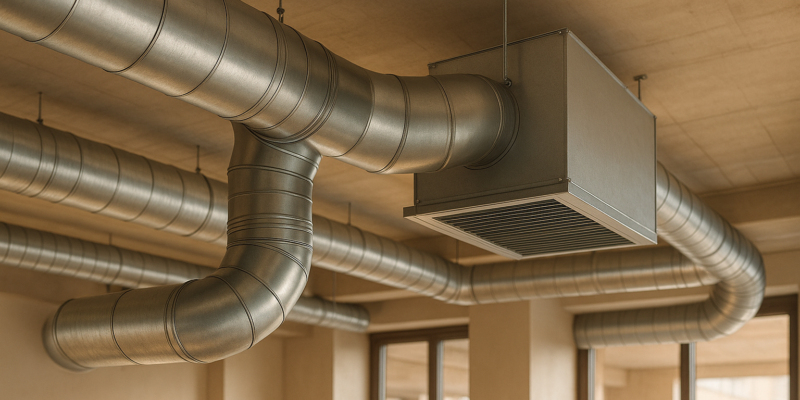
Why Airflow Optimization Matters for HVAC Efficiency

Why Airflow Optimization Matters for HVAC Efficiency

HVAC systems can waste up to 30% of energy due to poor airflow. Fixing airflow issues not only cuts costs but also improves comfort and extends equipment life. Here’s what you need to know:

  • Common Problems: Clogged filters, duct leaks, blockages, and poor duct design disrupt airflow.
  • Energy Impact: Restricted airflow forces systems to work harder, increasing energy bills by 15–30%.
  • Solutions: Regular filter changes, duct repairs, air balancing, and demand-controlled ventilation (DCV) systems.
  • Benefits: Lower energy costs, longer equipment lifespan, and more consistent indoor temperatures.

If you’re facing rising energy bills, uneven temperatures, or frequent HVAC cycling, addressing airflow problems is the first step to improving efficiency and comfort. Hydrodynamics Inc. specializes in diagnosing and fixing these issues with tailored solutions for commercial spaces.

Air Flow Diagnostics w/ Joseph C Henderson

Common Airflow Problems in Commercial HVAC Systems

Commercial HVAC systems often encounter airflow challenges that can drain energy efficiency and increase operating costs. These issues frequently go unnoticed until comfort complaints pile up or energy bills skyrocket. Below, we break down the most common problems that hinder proper airflow.

Clogged Filters and Restricted Airflow

Dirty filters are a leading cause of poor HVAC performance. When filters accumulate dust, pollen, and debris, they restrict airflow, forcing the blower to work harder to push air through the system.

Clogged filters can reduce airflow by 20–40% compared to the system’s design capacity. This not only increases the energy demand on the fan but also creates a ripple effect throughout the system. Reduced airflow can lead to coils running at improper temperatures, which may cause compressor overheating, ice buildup on evaporator coils, or even motor failure.

The energy costs of ignoring this issue add up quickly. Regular filter changes can prevent a 5–10% loss in efficiency, much of which stems directly from restricted airflow. In environments like retail stores, restaurants, or industrial facilities, where dust and occupancy levels are high, filters require more frequent attention – often more than the standard quarterly maintenance schedule.

To keep systems running efficiently, inspect filters monthly and replace them as soon as the pressure drop exceeds the manufacturer’s guidelines. If the differential pressure surpasses the recommended limit, it’s time for a new filter, regardless of how recently the last one was replaced.

Ductwork Leaks and Blockages

Ductwork issues can develop gradually and often go unnoticed because they’re hidden behind walls or above ceilings. Leaks commonly occur at poorly sealed joints, disconnected duct sections, or areas where renovations have created unsealed gaps. Blockages, on the other hand, may result from collapsed flex duct, leftover construction debris, closed dampers, or supply registers obstructed by furniture or equipment.

Studies show that poorly sealed commercial duct systems can lose 10–30% of total airflow through leaks. This means a significant portion of conditioned air escapes into unoccupied spaces like ceiling cavities or mechanical rooms, forcing the system to work harder and increasing energy consumption. Rooms at the far end of the system often suffer the most, remaining under-supplied and uncomfortable.

Signs of ductwork issues include rooms that never reach the desired temperature, whistling or other noises from ducts, visible dust at joints, and noticeable temperature differences between supply and return. Tools like duct blasters can quantify leakage rates, helping pinpoint where repairs will have the greatest impact.

Start with a visual inspection, checking for disconnected or crushed ducts and closed dampers. For more precise diagnostics, tools like smoke pencils and duct blasters can identify problem areas. Partnering with experienced contractors, such as Hydrodynamics, ensures proper sealing, repairs, and removal of obstructions, restoring airflow to its intended levels.

Improper Duct Sizing and Design

Even with clean and sealed ducts, poor sizing and design can severely impact system performance. Undersized ducts create excessive static pressure, overworking the fans and often leading to noise complaints. On the other hand, oversized ducts reduce air velocity, resulting in poor mixing and uneven temperature distribution.

Common design errors include:

  • Using rule-of-thumb sizing instead of detailed load calculations
  • Installing overly long or convoluted flex duct runs with sharp bends
  • Providing insufficient return air pathways
  • Placing long duct runs on the same branch as high-demand areas

These mistakes lead to inefficiencies and higher energy costs. Proper duct design is essential to balance airflow and maintain efficient operation.

Issue Type How It Harms Airflow Typical Impact on Efficiency & Costs
Clogged filters and coils Increases resistance, lowering airflow and heat transfer Prolonged operation increases energy use by 5–10%
Duct leaks Allows conditioned air to escape into unoccupied spaces Wastes 10–30% of airflow and energy
Duct blockages Limits flow due to debris, collapsed sections, or closed dampers Causes hot/cold spots and comfort issues
Improper duct sizing High static pressure or low velocity disrupts airflow Fans work harder, leading to noise complaints and inefficiency
Poor duct layout/design Adds unnecessary resistance with long runs or missing dampers Zones are under-supplied, increasing energy use

When poor duct design causes chronic airflow problems, retrofit options can help. Solutions include redistributing airflow, upsizing key ducts in problem areas, increasing return air capacity, and replacing long or kinked flex ducts with properly sized rigid ducts. In some cases, adding variable air volume (VAV) boxes or zoning controls can help manage airflow more effectively, allowing the system to operate closer to its intended performance.

For building owners and facility managers, professional diagnostics are crucial when issues like persistent hot and cold spots, high utility bills, noisy ducts, or frequent comfort complaints persist despite routine maintenance. Partnering with contractors like Hydrodynamics can provide detailed measurements of static pressure, airflow, and duct leakage. This data allows for targeted repairs that reduce energy costs, extend equipment life, and improve indoor comfort over time.

How Poor Airflow Affects System Efficiency and Costs

When airflow issues go unchecked, they create a domino effect that hits your budget in more ways than one. Poor airflow drives up energy bills, wears out equipment faster, and disrupts the work environment. Understanding these effects makes it clear why facility managers should treat airflow optimization as a top maintenance priority.

Higher Energy Consumption

Restricted airflow forces HVAC systems to work harder, leading to longer cycles and higher energy use. When air struggles to move freely through ducts, filters, or vents, components like fans, compressors, and blowers are pushed to their limits just to maintain the desired temperature.

The financial impact is immediate and visible in utility bills. For instance, inefficient ductwork alone can waste up to 30% of HVAC energy, driving up monthly costs even if thermostat settings remain unchanged. Studies show that demand-controlled ventilation systems, when properly adjusted, can cut ventilation-related energy costs by 25% to 41%, depending on the building’s design and usage patterns. In commercial data centers – where precise cooling is non-negotiable – HVAC systems account for about 40% of total energy consumption. This extra energy demand also puts undue stress on system components, shortening their lifespan.

Equipment Strain and Early Failure

Poor airflow doesn’t just increase energy use – it also takes a toll on your equipment. Restricted airflow causes heat buildup, which can lead to frequent shutdowns and strain on compressors and fans. Over time, this wear accelerates component failure, leading to expensive repairs or premature replacements. Safety mechanisms designed to protect the system from overheating are triggered more often, adding further stress to motors and electrical components.

For businesses, equipment failures go beyond repair costs. They can disrupt operations, interrupt climate control, and harm temperature-sensitive equipment, leading to unplanned expenses that throw off financial planning. In heating systems, restricted airflow can even increase the risk of carbon monoxide buildup in combustion-based units and contribute to electrical problems that elevate fire risks. Ensuring proper airflow not only extends equipment life but also reduces the likelihood of costly emergencies and simplifies long-term maintenance.

Indoor Air Quality and Comfort Problems

Beyond energy and equipment concerns, poor airflow affects the primary goal of any HVAC system: creating a comfortable and healthy indoor environment. Insufficient circulation traps pollutants, allergens, and moisture, which can lead to humidity issues, mold growth, and uneven temperatures that disrupt both comfort and productivity.

These issues don’t just make the space uncomfortable – they can also lower employee morale and productivity, sparking ongoing complaints from building occupants.

Fixing airflow problems restores the system’s ability to maintain steady temperatures, manage humidity, and circulate clean, filtered air. This creates a healthier indoor environment that supports well-being and efficiency while also cutting operational costs and reducing wear on equipment.

Solutions for Improving HVAC Airflow

Addressing the airflow challenges outlined earlier requires a combination of professional evaluation, regular upkeep, and advanced control systems. While the specific approach depends on your building’s setup, there are three key strategies that consistently enhance performance and lower energy costs. These solutions tackle issues like airflow imbalances, duct inefficiencies, and outdated controls.

Air Balancing and System Assessment

Air balancing ensures that conditioned air is evenly distributed throughout a building. This professional process involves using tools like anemometers, flow hoods, and manometers to measure airflow at supply and return registers, as well as static pressure across filters and coils. These readings are then compared to design specifications to pinpoint imbalances or restrictions.

Through air balancing, technicians can identify zones that are either over-served or under-served. Simple adjustments, such as repositioning dampers, tweaking fan speeds, or updating control sequences, can lead to noticeable improvements in comfort and energy efficiency. In U.S. commercial buildings, HVAC systems often account for 30% to 40% of total energy consumption. Proper air balancing also helps reduce contaminants like mold and dust, which improves indoor air quality.

To ensure a smooth air balancing process, facility managers should make sure all supply and return grilles are accessible, ceiling tiles near diffusers are intact, and doors and partitions are positioned as they would be during normal operations. Scheduling this work during off-peak hours and notifying building occupants ahead of time can minimize disruptions. Key data, such as measured versus target CFM, static pressure, and temperature differences, can guide targeted adjustments that directly impact energy costs.

Once airflow distribution is optimized, attention should shift to the duct system.

Ductwork Maintenance and Repair

Maintaining ductwork is critical for preventing airflow restrictions and energy losses caused by leaks. Building owners should establish a routine for inspecting and replacing filters, checking duct insulation, and examining accessible ducts for loose connections, damage, or signs of condensation and dust buildup – common indicators of leaks.

Sealing leaks with mastic or UL-listed tapes and regular duct cleaning can restore proper airflow and reduce energy waste. These straightforward maintenance steps can quickly translate into energy savings.

Signs of duct issues include uneven temperatures, noisy vents, weak airflow at distant registers, and rising energy bills. Diagnostic tools like thermal imaging, smoke tests, and airflow comparisons between duct branches can help locate problems such as undersized or overly long duct runs. If the duct layout matches the building’s current use, minor fixes like sealing leaks or adding balancing dampers are often sufficient. However, if the layout has significantly changed or comfort issues persist, a full redesign may be necessary.

Once the duct system is in good shape, advanced controls can further enhance performance.

Demand-Controlled Ventilation Systems

Demand-controlled ventilation (DCV) systems automatically adjust airflow based on real-time occupancy levels, using CO₂ or motion sensors. When occupancy increases and CO₂ levels rise, the system increases ventilation to maintain air quality. Conversely, it reduces airflow when spaces are less occupied, cutting energy use. This approach can lower ventilation-related energy costs by 25% to 40% and is especially effective in buildings with variable occupancy, such as offices, schools, and event spaces.

Installing DCV involves adding sensors, upgrading control systems, and automating fan speeds and damper adjustments. Proper planning ensures minimal downtime during installation and integration. Over time, DCV systems deliver significant savings through lower energy bills, reduced maintenance needs, and extended equipment life. Additionally, these systems help meet energy regulations and sustainability goals by avoiding over-ventilation.

For buildings with complex HVAC setups – like those combining office and industrial spaces or integrating HVAC with plumbing – working with an experienced provider can be invaluable. Companies like Hydrodynamics offer coordinated services, including air balancing, duct repairs, and control upgrades, to ensure that airflow improvements align with overall system performance and energy-saving goals.

Long-Term Benefits of Airflow Optimization

Taking corrective steps to optimize airflow can lead to a host of long-term advantages. By investing in air balancing, repairing ductwork, and upgrading to modern controls, businesses can enjoy reduced costs, extended equipment life, and a better indoor environment. For many commercial properties, the financial and operational improvements can outweigh the initial investment within just a few years.

Lower Energy Costs

When airflow is optimized, energy consumption drops because fans and other HVAC components don’t have to work as hard. This means heating and cooling systems can maintain the desired temperatures without constant cycling, resulting in lower utility bills. Demand-controlled ventilation (DCV) systems, in particular, can significantly cut ventilation energy costs. Even straightforward fixes like sealing duct leaks, balancing zones, and cleaning coils can reduce HVAC energy use by 15% to 30%.

For example, a medium-sized office spending $5,000 monthly on HVAC electricity could save between $750 and $1,500 each month – adding up to $9,000 to $18,000 annually. In data centers, where HVAC systems can account for roughly 40% of total energy use, even small efficiency improvements can lead to major cost reductions.

Longer Equipment Lifespan

Balanced airflow helps HVAC components operate within their intended limits. Fans running at moderate speeds, compressors staying cool, and motors avoiding overheating all contribute to less mechanical strain. This reduces the likelihood of emergency breakdowns and delays the need for expensive replacements. By extending the life of equipment, businesses can shift from costly emergency repairs to scheduled maintenance, making budgeting more predictable and lowering overall maintenance costs in the long term.

Better Comfort and Air Quality

Optimized airflow ensures a consistent indoor environment by evenly distributing conditioned air. This eliminates hot and cold spots and helps maintain proper humidity levels, preventing spaces from feeling too dry in winter or overly humid in summer. Enhanced airflow also improves indoor air quality by diluting pollutants like CO₂, dust, allergens, and volatile organic compounds. For systems with demand-controlled ventilation, sensors automatically adjust air exchange to maintain recommended air quality levels. Over time, these improvements create a more comfortable environment for occupants, which can also contribute to higher satisfaction and retention rates.

Aspect Poor / Unoptimized Airflow Optimized Airflow
Energy Use & Costs High fan and compressor runtime; frequent over-ventilation; higher bills Reduced runtime; lower energy and ventilation costs
Equipment Lifespan Excessive strain leads to frequent breakdowns and replacements Lower strain extends lifespan and reduces emergency repairs
Comfort Uneven temperatures with hot/cold spots and drafts Even temperature distribution for better comfort
Indoor Air Quality Dust buildup and stagnant air zones Better filtration and improved air quality

Large buildings with complex duct systems, variable occupancy, or older infrastructure – such as offices, schools, event venues, and retail spaces – stand to gain the most from airflow optimization. Older properties with aging ductwork and unbalanced systems are particularly prone to inefficiencies, making airflow improvements especially impactful. For businesses aiming to achieve these benefits, working with an experienced HVAC provider like Hydrodynamics Inc. can streamline air balancing, duct repairs, and control upgrades into a single, energy-efficient solution.

Conclusion

Getting airflow right is a game-changer for HVAC systems. It impacts everything – energy costs, equipment lifespan, and the comfort of the people inside the building. When filters are clogged, ducts leak, or the system is poorly designed, the entire operation takes a hit. Energy bills spike as fans and compressors work harder than they should, equipment breaks down faster, and uneven temperatures make for an uncomfortable environment.

The upside? Fixing airflow issues pays off. With professional assessments, duct repairs, air balancing, and updated controls, businesses can cut HVAC energy use by 15% to 30% – sometimes even more. These steps not only save money but also extend the life of your equipment and improve indoor conditions for everyone. The benefits are clear and measurable, making airflow improvements a smart investment.

If you’ve noticed hot and cold spots, rising energy bills, frequent HVAC cycling, or complaints about air quality, it’s time to act. These are all signs that your system needs attention. A professional contractor can identify and fix problems like duct leaks, blockages, and outdated ventilation strategies. They’ll handle tasks like sealing leaks, replacing filters, and adjusting airflow to optimize your system while helping you plan for future upgrades.

Hydrodynamics Inc. makes this process straightforward. Their certified technicians specialize in diagnosing and solving airflow challenges. Whether it’s redesigning ducts, upgrading equipment, or installing energy-efficient controls, they offer tailored solutions to meet your needs. From office buildings to data centers and retail spaces, partnering with experts ensures your HVAC system runs efficiently and stays that way.

Don’t wait for breakdowns or skyrocketing energy costs. Reach out to Hydrodynamics today to learn how professional airflow optimization can save you money, protect your equipment, and make your building more comfortable for everyone.

FAQs

What are the signs of poor airflow in my HVAC system, and how can I start troubleshooting it?

Poor airflow in your HVAC system can manifest in a few noticeable ways: uneven heating or cooling, weak airflow from the vents, or a spike in energy bills without a corresponding change in comfort. You might also experience hot or cold spots in your home or hear odd noises coming from the system.

To start diagnosing the issue, the first step is to check the air filters. Filters that are dirty or clogged are a common culprit behind airflow problems. Next, take a look at the vents and registers – ensure they’re fully open and not blocked by furniture or other objects. If these quick fixes don’t resolve the issue, the problem might be more complex. It could stem from ductwork leaks, blocked ducts, or even a malfunctioning blower motor, which would likely require the expertise of a professional technician.

What are the long-term financial benefits of optimizing airflow in my commercial HVAC system?

Optimizing the airflow in your commercial HVAC system isn’t just about keeping the air comfortable – it can also save you a lot of money over time. When airflow is properly managed, your system runs more efficiently, which means it uses less energy. That translates to lower utility bills, and depending on the size and usage of your building, these savings could easily add up to thousands of dollars.

But that’s not all. Better airflow also helps protect your HVAC system from unnecessary wear and tear. By reducing strain on the components, you can extend the life of your equipment, cutting down on expensive repairs and replacements. In short, improving airflow isn’t just a comfort upgrade; it’s a smart way to reduce operating costs and protect your investment.

What is demand-controlled ventilation, and how does it enhance energy efficiency in buildings with varying occupancy levels?

Demand-controlled ventilation (DCV) is a smart system that adjusts airflow in a building based on how many people are present. It typically relies on sensors to track carbon dioxide (CO2) levels or other signs of human activity. By delivering ventilation only where and when it’s required, DCV helps cut down on wasted energy.

This system boosts energy efficiency by easing the burden on HVAC systems, which translates to lower heating and cooling expenses. At the same time, it maintains a comfortable indoor environment. DCV is particularly useful in places with changing occupancy levels, like offices, conference rooms, or event spaces, where ventilation needs shift throughout the day.
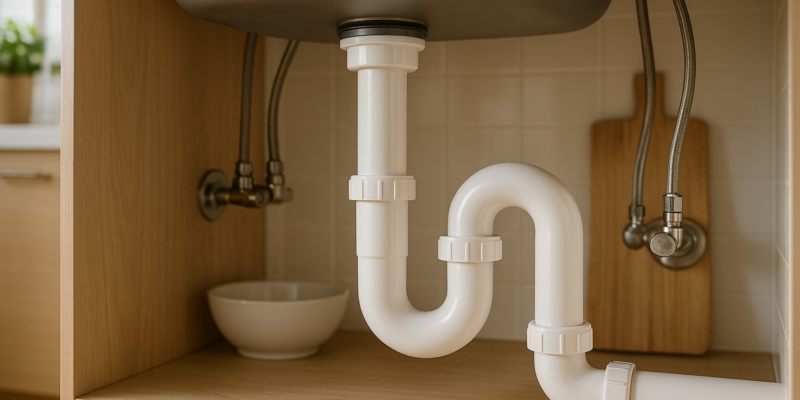

10 Tips to Prevent Plumbing Leaks

10 Tips to Prevent Plumbing Leaks

Plumbing leaks can lead to expensive repairs, water waste, and even structural damage. The good news? Most leaks are preventable with simple maintenance and upgrades. Here are 10 ways to protect your plumbing system and avoid costly problems:

  • Control water pressure: Keep it between 40-60 PSI to prevent pipe strain.
  • Insulate pipes: Protect pipes in cold areas to avoid freezing and bursting.
  • Upgrade toilet parts: Replace worn flappers and fill valves to stop silent leaks.
  • Fix dripping faucets: Address worn seals or mineral buildup to save water.
  • Clean gutters: Prevent water pooling near your home’s foundation.
  • Schedule inspections: Professional plumbers can catch hidden issues early.
  • Use steel hoses: Replace rubber washing machine hoses with durable steel ones.
  • Install ball valves: Make shutting off water during emergencies quick and easy.
  • Reapply caulk and grout: Seal gaps around fixtures to keep water out of walls.
  • Add leak detection systems: Get alerts for leaks and stop water damage fast.

These steps combine DIY care with professional expertise to safeguard your home or business from leaks. Regular maintenance not only prevents damage but also saves on water bills and repair costs.

How to Prevent Household Plumbing Leaks | This Old House

This Old House

1. Keep Water Pressure Between 40-60 PSI

Did you know that water pressure above 60 PSI can strain your plumbing system and increase the likelihood of leaks? While a powerful shower might seem tempting, excessive pressure takes a toll on your pipes, fixtures, and valves, leading to wear and tear over time.

High water pressure can create weak spots in your plumbing, which may eventually rupture and cause expensive water damage. To keep your system in good shape, aim for water pressure between 40-60 PSI. This range provides enough flow for daily activities without overburdening your pipes. If your pressure climbs above 80 PSI, it’s considered hazardous and needs immediate attention.

How to Check Your Water Pressure

Checking your water pressure is easier than you might think. Pick up an affordable pressure gauge from a hardware store and attach it to an outdoor faucet or the one closest to your main water line. Turn on the water and read the gauge.

If the pressure measures above 80 PSI, your plumbing could be at risk. Even readings between 60-80 PSI can cause unnecessary strain and should be addressed promptly.

Warning Signs of High Pressure

High water pressure often announces itself with some noticeable symptoms. For example, you might hear loud banging or hammering noises in your pipes – this is called “water hammer” and happens when high-pressure water creates shockwaves. Other signs include faucets spraying unevenly, fixtures wearing out faster than usual, and frequent leaks at pipe joints or appliance connections.

Installing a Pressure Regulator

A pressure regulator is a simple yet effective solution to keep your water pressure within the safe 40-60 PSI range. Installed on your main water line, it automatically adjusts the pressure entering your home. It’s best to have a professional handle the installation to ensure it’s placed correctly near your water meter. The upfront cost is minor compared to the price of repairing burst pipes or fixing major leaks. After installation, these devices require only occasional checks to ensure they’re working as intended.

If DIY plumbing isn’t your thing, companies like Hydrodynamics Inc. offer professional services to help you maintain safe water pressure and protect your plumbing system.

The Financial Upside

Keeping your water pressure in check doesn’t just protect your pipes – it can also save you money. Operating within the 40-60 PSI range reduces water waste during everyday use, which can lower your water bills. Over time, the combination of reduced water usage and fewer repair costs makes pressure regulation a smart investment.

Up next: Discover how insulating your pipes can add another layer of protection to your plumbing system.

2. Insulate Pipes in Cold Areas

When the temperature plunges, pipes in unheated areas can become a major problem. As water freezes, it expands, creating pressure that can cause pipes to burst – leading to thousands of dollars in water damage. The most at-risk locations include basements, crawl spaces, attics, garages, and any pipes running along exterior walls or near windows. Even a brief cold snap can freeze exposed pipes if they’re not adequately protected. Alongside managing water pressure, safeguarding your pipes from freezing is key to avoiding leaks.

Why Pipe Insulation Is Effective

Pipe insulation – or lagging – helps prevent the freeze-thaw cycle that can damage pipes. It also keeps hot water warmer for longer, improving energy efficiency. Just like maintaining proper water pressure, insulating your pipes is an essential step in preventing leaks.

Choosing the Right Insulation

You’ve got two main tools to protect your pipes: foam pipe insulation and heat tape.

  • Foam pipe insulation: This is a budget-friendly option, with costs ranging from $0.50 to $2.00 per linear foot. Foam sleeves wrap snugly around pipes, acting like a thermal barrier against cold air. For homes with 100 to 150 feet of exposed pipes, you’re looking at material costs of roughly $50–$300.
  • Heat tape: This electric solution actively warms pipes, making it ideal for extreme cold or highly exposed areas. Heat tape typically costs between $1.00 and $3.00 per linear foot. For maximum protection, you can combine both methods – use foam insulation as a base and add heat tape for extra security.

While the upfront costs vary based on the length of your pipes, they’re minimal compared to the cost of repairing burst pipes, which can climb anywhere from $5,000 to $25,000 or more.

Spotting Vulnerable Pipes

Grab a flashlight and check your home’s unheated spaces. Start in the basement and crawl spaces, then move to the attic. Pay close attention to pipes near windows, exterior walls, or particularly chilly corners. Follow your water supply lines from where they enter your home, checking any unheated areas along the way. Don’t forget to inspect pipes in the garage or near exterior doors. In colder regions, all exposed pipes need insulation, while in milder climates, focus on the most vulnerable spots.

Installing Foam Insulation

Installing foam insulation is simple and effective. Start by measuring the diameter of your pipes and purchasing foam sleeves that fit snugly. Wrap the foam around the pipes, securing it with tape or zip ties. Use a utility knife to trim the foam for corners or joints. Be thorough – any exposed section, no matter how small, is at risk of freezing. For hard-to-reach areas or if you’d rather leave it to the pros, companies like Hydrodynamics Inc. can handle the installation for you.

Adding Heat Tape for Extra Security

Heat tape offers an extra layer of protection in extreme cold. Wrap it around the pipe as per the manufacturer’s instructions. Some types need to be spiraled around the pipe, while others run straight along its length. Make sure the tape is plugged into a nearby outlet for it to work properly. Never overlap heat tape unless the instructions explicitly say it’s safe – overlapping can create hot spots, which might damage the tape or even pose a fire risk.

Quick Tips for Cold Snaps

During particularly cold weather, a few simple steps can help protect your pipes. Keep garage doors closed if water lines run through the space, let faucets connected to exposed pipes drip slightly, and open cabinet doors under sinks to let warm air circulate around the pipes.

Keeping Your Insulation in Check

Once your pipes are insulated, make it a habit to check the insulation periodically, especially after severe weather. Look for gaps or areas where the material might have shifted or come loose. Foam insulation is designed to stay in place year-round, even in unheated spaces. When freezing temperatures subside, disconnect and store heat tape. Before the next winter season, inspect your pipes for damage and ensure the insulation is still intact.

Next, learn how upgrading toilet components can further reduce the risk of leaks.

3. Replace Old Toilet Parts

Your toilet could be quietly wasting water without you even noticing. Worn-out parts like the rubber flapper or a failing fill valve are often the culprits. The good news? Fixing these issues is simple and won’t break the bank.

Common Culprits: Flappers and Fill Valves

The rubber flapper sits inside your toilet tank, sealing the drain between flushes. Over time, exposure to water and chlorine can cause it to harden, crack, or lose its shape. When this happens, water escapes from the tank into the bowl nonstop. You might hear a faint hissing sound or notice your toilet randomly refilling itself.

The fill valve, also called the refill valve, controls how water flows into the tank after you flush. When it starts to fail, you may notice the tank struggling to fill or the toilet running long after you’ve flushed.

How to Detect a Problem

If you hear constant trickling or spot food coloring in the toilet bowl after 15–20 minutes of testing, you’ve got a leak. Other warning signs include weak flushes, inconsistent water levels, or visible wear on the flapper.

These silent leaks can waste about 200 gallons of water each day – that’s 6,000 gallons in a month or a staggering 73,000 gallons in a year. Depending on your water rates, this could inflate your annual bill by $100–$300 or more.

A Quick DIY Fix

Replacing a toilet flapper is one of the easiest plumbing tasks you can handle yourself. A new flapper costs under $10, and the entire job takes just 15–30 minutes. Fill valves are slightly more expensive, ranging from $15–$30, but they’re just as beginner-friendly.

To replace the flapper, turn off the water supply, flush to empty the tank, remove the old flapper, and attach the new one. Turn the water back on and test a few flushes to ensure everything works properly.

For a fill valve replacement, you’ll need an adjustable wrench. Shut off the water, drain the tank, disconnect the water supply line, and unscrew the old valve. Follow the manufacturer’s instructions to install the new valve, reconnect everything, and check for leaks.

When to Call a Professional

If replacing the flapper doesn’t solve the issue, other components could be at fault. A broken fill valve, loose gasket, corroded bolt, or damaged flush valve seat might be to blame. Water pooling at the base of your toilet could indicate a broken wax seal or cracked porcelain – both of which require professional attention.

For complex repairs or commercial properties, consider hiring experts like Hydrodynamics Inc. They can quickly diagnose and fix leaks while ensuring the system complies with building codes.

Keeping Your Toilet in Top Shape

Make toilet checks a regular part of your home maintenance routine. Inspect the flapper every few months – if it feels stiff or brittle, replace it before it fails.

Avoid using harsh chemical cleaners, which can accelerate wear on rubber parts. If you live in an area with hard water, mineral buildup can damage seals and valves. Installing a water conditioner can help extend the life of these components.

And while you’re at it, take a moment to address any dripping faucets or showerheads to further reduce water waste.

4. Fix Dripping Faucets and Showerheads

A dripping faucet isn’t just annoying – it’s costly. A single drip can waste about 3,000 gallons of water every year. Over time, this can translate into hundreds or even thousands of dollars added to your water bill. Just like keeping an eye on water pressure and insulating pipes, fixing small leaks in faucets and showerheads is an important step in protecting your plumbing system.

What’s Causing the Drip?

The usual culprits behind dripping faucets and showerheads are worn-out internal parts that compromise the seal. Hard water can also leave mineral deposits inside aerators or around internal components, leading to restricted water flow and damaged seals. For showerheads, leaks often stem from loose connections or deteriorated washers and O-rings.

Simple Fixes You Can Do Yourself

Before calling in a professional, there are a few easy repairs you can try at home. These quick fixes, paired with regular maintenance, can help you avoid expensive leaks.

  • Replace worn parts: Swap out washers, gaskets, or O-rings that are old or damaged. These are inexpensive and widely available.
  • Clean mineral buildup: Remove your faucet’s aerator and soak it in vinegar to dissolve any deposits.
  • Tighten loose connections: For a leaky showerhead, wrap Teflon tape around the pipe threads and use a wrench to tighten the connection. If that doesn’t work, replace the washer or O-ring and soak the showerhead in vinegar to clear any blockages caused by mineral deposits.

When to Call for Help

If the drip persists even after replacing parts and tightening connections, the problem might be more complex than it seems. In such cases, it’s best to contact a professional plumber. Experts, like those at Hydrodynamics Inc., can quickly diagnose and resolve the issue, helping you avoid bigger problems and keeping your water bills in check.

Keep Your Fixtures in Good Shape

Routine maintenance is key to preventing leaks before they start. Check that faucet and shower handles close completely, and monitor your water pressure to ensure it stays within the recommended range of 40 to 60 PSI. Higher pressures can strain pipes and fixtures, so installing a water pressure regulator is a smart move. Acting quickly on repairs and maintaining your fixtures regularly can save you from costly water damage and keep your plumbing system running smoothly.

5. Clean Gutters and Drainage Systems

Clogged gutters and poor drainage can lead to water pooling around your foundation and exterior walls. This buildup increases hydrostatic pressure, which can result in leaks. Addressing this external issue works hand-in-hand with the internal maintenance steps mentioned earlier.

How Water Gets Into Your Plumbing

When gutters fail to direct water away from your home, it collects near the foundation and seeps into the soil. Over time, this moisture can find its way into weak spots in your plumbing. Constant exposure to water can corrode pipes, weaken seals, and compromise the overall integrity of your plumbing system.

The Right Way to Clean Your Gutters

You don’t need fancy tools to maintain your gutters – just a bit of effort. Start by removing debris like leaves, twigs, and dirt using a scoop or your hands (make sure to wear gloves). Next, flush out the gutters with a garden hose to clear any remaining buildup and ensure proper water flow. While you’re at it, inspect the downspouts to confirm they’re free of blockages. It’s crucial that downspouts direct water at least 4 to 6 feet away from your foundation – dumping water too close can create the same problems as clogged gutters.

How Often Should You Clean?

Plan to clean your gutters at least twice a year. If your home is surrounded by trees, you might need to do this quarterly. In areas with heavy rainfall or during winter (when ice dams can form), more frequent checks can help prevent blockages. After severe storms or strong winds, inspect your gutters for damage or debris buildup.

Warning Signs Your Drainage Is Failing

Be on the lookout for water pooling near your foundation or stains appearing in your basement. Other red flags include musty odors in crawl spaces, soil erosion around your property, or downspouts that don’t effectively move water away from the building. If you’re dealing with recurring plumbing leaks and can’t pinpoint an internal cause, poor exterior drainage might be the culprit.

Going Beyond Basic Gutters

For areas with heavy rainfall or limited drainage options, consider adding features like a French drain. A French drain is a trench filled with gravel and a perforated pipe designed to direct water away from problem areas. This addition can significantly improve water management and reduce the risk of leaks.

Building a Complete Prevention Strategy

Pairing regular gutter cleaning with professional plumbing inspections ensures all your water management systems are working effectively. Companies like Hydrodynamics Inc. can provide detailed drainage system evaluations and recommend solutions tailored to your property, whether it’s residential or commercial.

Integrating these drainage strategies with your ongoing plumbing upkeep will create a strong defense against leaks and water damage.

6. Get Regular Professional Plumbing Inspections

Monthly DIY checks are great for catching surface-level issues, but when it comes to spotting hidden problems, licensed plumbers have the tools and training to go deeper. From checking water pressure to inspecting pipe insulation, regular professional plumbing inspections are key to catching leaks early – before they become costly disasters.

How Often Should You Schedule Inspections?

Plan for a full-system inspection once a year, with quarterly checks for high-risk areas like bathrooms, kitchens, and laundry rooms. If your home has older plumbing, you’ll want to prioritize these inspections even more, as aging systems are more prone to corrosion and wear.

What Professional Plumbers Look For

Plumbers go beyond the obvious. They’ll check under sinks for leaks or moisture, inspect supply lines to faucets, dishwashers, and ice makers, and examine washing machine hoses for cracks or brittleness. They also review visible pipes for signs of corrosion, especially in unheated spaces like basements or near exterior walls where pipes are at risk of freezing.

During their inspections, they’re trained to spot early warning signs of trouble. Things like rust, mineral buildup, or water stains around fittings can indicate slow leaks or failing components. Even subtle issues like discoloration on exposed pipes or calcium buildup affecting water pressure can signal problems down the road. Advanced tools, like humidity sensors, help them detect hidden dampness behind walls – something homeowners can easily miss.

Why Professional Expertise Matters

DIY inspections can only take you so far. Skilled plumbers can identify hard-to-spot issues like tiny cracks or splits in pipes that might not be visible without a thorough evaluation. They’re also trained to detect deteriorating galvanized pipes, which can lose their zinc coating over time, leading to serious problems if left unchecked.

Advanced Detection and Prevention

Professional plumbers don’t just find leaks – they can help prevent them. They can install smart water monitors to track unusual usage patterns, WiFi-enabled leak detectors for high-risk spots like basements, and even whole-house shut-off systems you can control remotely. For added protection, they might recommend automatic shut-off valves or electric water sensors that stop leaks before they cause damage. Once these systems are in place, they’ll also ensure your plumbing is ready for seasonal changes.

Seasonal Maintenance Coordination

Speaking of seasons, plumbers can take care of tasks like winterizing outdoor faucets and checking pipe insulation ahead of colder months. These steps help protect your system from freezing and other seasonal challenges.

What to Expect from Your Inspection

A professional inspection should provide a detailed overview of your plumbing system’s health. This includes identifying leaks, suggesting repairs or upgrades, and documenting concerns with photos or notes. They’ll prioritize issues by urgency, estimate repair costs, and offer advice tailored to your home – like whether you need additional pipe insulation or more durable fixtures with ceramic disc valves.

Finding the Right Professional

When choosing a plumber, look for licensed professionals with experience in handling complex systems. Companies like Hydrodynamics Inc. offer a range of services, from simple repairs to full-scale maintenance and energy-efficient solutions for residential and commercial properties.

Building a relationship with a local plumber who knows your home’s plumbing system can make all the difference in preventing long-term issues. For businesses, setting up a dedicated maintenance schedule with a professional service ensures both leak detection and timely repairs.

Next, we’ll explore how upgrading to steel hoses for your washing machine can help prevent one of the leading causes of household flooding.

7. Use Steel Hoses for Washing Machines

Did you know that washing machines are a common culprit behind household water leaks? The main issue often lies with aging rubber hoses, which can develop weak spots over time due to constant pressure and temperature changes.

Why Upgrade to Steel Hoses?

Braided stainless steel hoses are a smart replacement for rubber hoses. They’re built to resist corrosion and can handle both high pressure and temperature fluctuations. Unlike rubber hoses that typically last only 3–5 years, steel hoses can go strong for over a decade. Upgrading to these durable hoses not only reduces the risk of leaks but also strengthens the vulnerable connection points of your washing machine. Combine this with regular inspections and proper water pressure management, and you’ve got yourself a solid leak prevention plan.

Are Steel Hoses Worth the Cost?

At first glance, steel hoses might seem pricier – costing anywhere from $15 to $40 per hose compared to the $5–$15 range for rubber ones. But think about this: a single washing machine leak can cause thousands of dollars in damage to your floors, walls, and personal items. With their longer lifespan and superior durability, steel hoses are a cost-effective investment in the long run.

How to Replace Your Hoses

Switching to steel hoses is a quick and simple task you can tackle yourself in about 10–15 minutes. Here’s how:

  • Turn off the water supply.
  • Disconnect the old rubber hoses.
  • Clean the connection points thoroughly.
  • Attach the new steel hoses, hand-tightening them first and then securing with a wrench.
  • Turn the water back on and check for any leaks.

When shopping for steel hoses, look for ones designed for high-pressure use, with a burst rating of at least 500 PSI. Opt for hoses with stainless steel outer braiding, reinforced inner tubing, and corrosion-resistant fittings. If DIY isn’t your thing, a professional plumber – like those at Hydrodynamics Inc. – can install the hoses and inspect your connections during routine maintenance.

Maintaining Steel Hoses

To keep your steel hoses in top shape, inspect them once a year for any signs of wear, corrosion, or loose fittings. If you notice mineral buildup, wipe it away with a soft cloth to prevent leaks. Ready to take the next step? Learn how adding ball valves can make shutting off water in an emergency a breeze.

8. Install Ball Valves for Easy Water Shutoff

When a water leak happens, every second matters. The difference between a small inconvenience and a major disaster often depends on how fast you can stop the water flow. Ball valves are a reliable way to control water and quickly shut it off, serving as an essential part of your overall leak prevention plan.

Why Ball Valves Are Better Than Gate Valves

Unlike traditional gate valves that rely on rubber seals prone to wear and tear, ball valves use a rotating ball mechanism that creates a tight, long-lasting seal. This durability ensures they perform effectively during emergencies, making them a reliable choice for controlling water flow.

Placement Matters

Strategically placing ball valves throughout your plumbing system allows you to isolate specific problems without disrupting water supply to the rest of your home. Many plumbing fixtures already have stop valves, but upgrading these to ball valves is a smart move. Prioritize high-risk areas such as your main water line, under sinks, near toilets, at your water heater, next to your dishwasher, and especially by your washing machine – one of the most common sources of household leaks. Installing ball valves at these critical points ensures you can address leaks or issues with individual fixtures without shutting off water to your entire home.

The Cost and Benefits of Ball Valves

Uncontrolled leaks can lead to repair costs running into hundreds or even thousands of dollars, not to mention spiking your water bill. Investing in durable, full-port brass ball valves – designed for water pressure levels between 40–60 PSI – can save you from these expenses. Brass is an excellent choice because it resists corrosion and stands up well to wear. Make sure the valves you select are rated for your system’s specific water pressure to ensure optimal performance.

Maintaining Ball Valves for Longevity

While ball valves are more durable than gate valves, they still require occasional upkeep. Check them annually for signs of corrosion, mineral buildup, or leaks around the valve stem. If you notice moisture or dripping, it might mean the internal seal is failing, and the valve could need replacing. A simple way to keep them in good condition is to open and close them a few times a year – this prevents them from sticking due to mineral deposits or corrosion. During routine plumbing inspections, ask a professional to verify that your ball valves are ready to work when you need them most.

When to Bring in a Professional

Although some homeowners may feel comfortable installing ball valves themselves, hiring a professional plumber is often the best choice. Professionals ensure proper placement and compliance with local building codes. They can also assess your water pressure, pipe materials, and fixture types to recommend the best ball valves for your system. With their expertise, you can be confident your plumbing is set up for maximum efficiency and safety.

Ball valves are a practical addition to your home’s plumbing system, helping you manage leaks and minimize potential damage. Next, we’ll look at another important step: maintaining fixture seals to ensure water stays where it’s supposed to.

9. Reapply Caulk and Grout Around Fixtures

The caulk and grout around sinks, tubs, and showers play a crucial role in keeping water where it belongs. They prevent moisture from seeping into walls, subfloors, and other hidden areas. But over time, these seals can degrade due to constant exposure to water, temperature shifts, and daily use. When they fail, water can sneak behind fixtures, causing damage you might not notice until it’s too late.

Common Trouble Spots for Caulk and Grout

Failures often occur in high-moisture areas like tubs, showers, and under sinks. Key problem zones include where tiles meet fixtures and around faucet bases. If water finds its way into these gaps, it can lead to mold, mildew, and even wood rot.

How to Spot Issues Early

Regular inspections are key. Check your caulk and grout monthly for cracks, gaps, or signs of wear. Discoloration or dark spots often hint at mold or mildew, suggesting water has already breached the seal. If the caulk is pulling away from the surface or feels soft and spongy, it’s time to replace it. Other red flags include water stains on walls or ceilings below fixtures and dampness in cabinets or around the base of sinks and tubs.

Choosing the Right Materials

For wet areas like showers and kitchen sinks, silicone caulk is your best bet. It’s flexible, resists mold, and holds up against water and temperature changes. In less damp areas, acrylic latex caulk is easier to work with and clean. When it comes to grout, epoxy grout is a strong choice for high-moisture spaces because it offers better water resistance and durability than traditional cement-based grout.

Steps to Reapply Caulk

Reapplying caulk isn’t complicated if you follow a few simple steps:

  • Start by removing the old caulk with a scraping tool.
  • Clean and thoroughly dry the area.
  • Apply painter’s tape along the edges for a clean line.
  • Use a caulking gun to apply a steady bead along the joint.
  • Smooth the caulk with a wet finger or tool for a neat finish.
  • Allow 24–48 hours for it to cure completely.

Prevention Costs Less Than Repairs

Replacing caulk and grout is a small investment compared to the cost of repairing water damage. Materials for a DIY job typically run between $10 and $30, while hiring a professional might cost $100 to $300, depending on the scope of work. Compare that to the potentially thousands you’d spend fixing damage from a hidden leak, and it’s clear that regular maintenance is a smart move.

Boosting Protection with Technology

Adding smart leak detection systems to your home can provide an extra layer of security. Placing WiFi-enabled leak detectors under sinks, near tubs, and around other fixtures can alert you to water issues before they escalate. Some systems even include automatic shutoff features to stop water flow if a leak is detected.

When to Bring in the Experts

If you’re unsure about your caulk and grout or suspect hidden issues, it’s wise to call a professional. They can use tools like moisture meters and thermal imaging cameras to uncover problems you might miss. Experts can also recommend the best materials for your specific needs and handle the job if DIY isn’t your thing. For professional assistance, consider reaching out to Hydrodynamics Inc. for a thorough inspection and re-caulking service.

Up next, we’ll dive into how modern leak detection systems can further safeguard your home.

10. Add Leak Detection Systems

Leak detection systems are a practical solution to safeguard your property from water damage. These systems continuously monitor your plumbing and send alerts at the first sign of trouble. Whether you’re a homeowner or managing a business, they can help you avoid costly repairs and extensive damage.

How Leak Detection Systems Work

At their core, these systems use moisture sensors to detect leaks and issue alerts. Advanced models take it a step further by tracking real-time water usage and automatically shutting off the water supply when a leak is identified. This combination of monitoring and proactive response makes them a worthwhile investment.

Types of Systems to Consider

There’s a range of leak detection systems to fit different needs and budgets:

  • Basic Moisture Sensors: Priced between $50 and $200, these are ideal for high-risk areas and provide simple alerts when moisture is detected.
  • Smart Systems: With features like smartphone notifications and water usage tracking, these systems cost between $200 and $500.
  • Comprehensive Systems: These monitor multiple areas, track water pressure, and detect temperature changes to identify potential issues.

If you opt for professional installation, expect to pay an additional $200–$500. While this might seem like an added expense, it’s minimal compared to the potential costs of water damage restoration, which can run into the thousands. For commercial properties, even a minor leak can lead to significant damage and disrupt operations.

Strategic Sensor Placement

To maximize the effectiveness of your leak detection system, place sensors in areas most prone to leaks. Common locations include:

  • Under sinks and around water heaters
  • Near washing machines and dishwashers
  • In basements or crawlspaces where pipes are exposed

For commercial buildings, consider additional placement near HVAC systems, along the foundation, and in bathrooms around toilets, showers, and tubs.

The Automatic Shutoff Advantage

Some systems come with an automatic shutoff feature, which stops water flow immediately when a leak is detected. This added layer of protection ensures your property is safe, even if you’re not there to respond in person.

Maintenance and Testing

To keep your system running smoothly, regular maintenance is key. Here are a few tips:

  • Test the system twice a year, ideally in spring and fall.
  • For battery-powered sensors, check battery levels monthly and replace them annually or as recommended.
  • Test the shutoff feature quarterly to ensure it works properly.
  • After any plumbing work, verify that sensor placement hasn’t been affected.

Integrating with Your Prevention Strategy

Leak detection systems work best when they’re part of a broader maintenance plan. Combine them with regular plumbing inspections, proper water pressure management, and other preventative measures. For commercial properties with complex plumbing, smart systems with real-time monitoring are particularly effective at catching problems early.

Water Conservation Benefits

Beyond preventing damage, these systems can help conserve water and reduce utility bills. Smart systems detect leaks that might otherwise waste thousands of gallons each year. By identifying unusual water usage patterns, they can save homeowners money and improve operational efficiency for businesses.

For expert advice on choosing and installing the right system for your property, visit Hydrodynamics Inc.. Their team can assess your needs and recommend solutions to protect your property from plumbing leaks effectively.

Conclusion

These 10 strategies provide a strong plan to help prevent plumbing leaks. From managing water pressure to installing leak detection systems, each step plays a role in keeping your plumbing in good shape. For example, maintaining water pressure between 40-60 PSI reduces the strain on your pipes, while pipe insulation helps prevent freezing and bursting during colder months. Together, these practices combine effective DIY care with the added security of professional inspections.

The real trick to long-term success is pairing these preventative steps with regular professional maintenance. Skilled plumbers can spot early warning signs like aging pipes or corrosion, allowing you to address problems before they escalate. This approach is far more cost-effective than dealing with unexpected emergencies or extensive water damage repairs.

Investing in leak prevention is a smart move. Simple upgrades like switching to steel hoses for your washing machine or installing ball valves can save you from the hefty costs of water damage caused by a broken rubber hose. Modern leak detection systems take it a step further, offering 24/7 monitoring and instant alerts to potential issues – even when you’re away. For businesses, regular inspections not only prevent leaks but also protect inventory, maintain operations, and help implement water-saving solutions that cut down on utility bills.

Hydrodynamics Inc. specializes in plumbing services to keep your home, business, or industrial property free from leaks. Their experienced team provides thorough inspections, professional installations, and ongoing maintenance plans tailored to your needs.

Don’t wait – schedule a plumbing inspection today to identify potential weak spots and create a customized prevention plan. Regular maintenance and proactive measures safeguard your property, lower your water bills, and give you peace of mind.

FAQs

How can I tell if my water pressure is too high, and how do I lower it if needed?

High water pressure can cause plumbing leaks and even long-term damage to your pipes. To determine if your water pressure is within a safe range, you’ll need a water pressure gauge, which easily attaches to an outdoor faucet. Residential water pressure should ideally fall between 40 and 60 psi. If your gauge shows a reading consistently above that range, it’s likely too high.

In such cases, you might need to install or adjust a pressure-reducing valve (PRV). This valve is usually located near your main water shut-off. Not comfortable making adjustments on your own? Reaching out to a professional plumber, such as Hydrodynamics Inc., can help ensure your system is set correctly and protected from unnecessary wear and tear.

What are the advantages of using steel hoses for washing machines instead of rubber hoses?

Steel hoses bring several advantages when compared to traditional rubber hoses for washing machines. One for starters, their durability stands out. Unlike rubber hoses, steel hoses are far less likely to wear out, crack, or burst to bursting. This makes them a safer, longer-lasting choice for your home. Plus, they’re built to handle higher water pressure, which means fewer worries about leaks.

Another perk? Steel hoses are better equipped to withstand temperature changes. Whether you’re dealing with hot or cold water connections, they hold up well, making them a versatile option. If you’re aiming to avoid plumbing headaches, switching to steel hoses is an easy and effective way to boost your washing machine’s reliability.

What are leak detection systems, and how can I choose the right one for my home?

Leak detection systems are tools that keep an eye on your plumbing, watching for signs like unusual water flow or unexpected moisture. By catching problems early, these systems can help you avoid expensive water damage and cut down on wasted water.

When deciding on a system, think about your home’s needs. Do you want a whole-house monitor or smaller, point-of-use sensors? Features like automatic water shut-off can also be a game-changer. Make sure the system you choose is easy to install, works with your plumbing setup, and sends reliable alerts – whether to your phone or a dedicated control panel. A good leak detection system can save you money, time, and a lot of headaches down the road.

Duct Leakage Testing for Retrofit Projects

Duct Leakage Testing for Retrofit Projects

Duct leakage testing is critical for improving HVAC efficiency in retrofit projects. It identifies where heated or cooled air escapes from ductwork, often wasting 20–30% of HVAC energy. Testing ensures compliance with U.S. energy codes, improves comfort, and reduces energy costs.

Key Takeaways:

  • Purpose: Measures air loss in duct systems, especially in older buildings.
  • Process: Pressurizes ducts to 25 Pascals and measures leakage in CFM25.
  • Energy Savings: Sealing leaks can cut energy loss by up to 30% and save 10–20% annually.
  • Compliance: Meets standards like ENERGY STAR, IECC, and ASHRAE 90.1.
  • Equipment: Tools include duct testers, digital manometers, smoke detectors, and infrared cameras.
  • Documentation: Accurate records are required for code compliance and rebates.

Duct leakage testing not only ensures regulatory compliance but also enhances HVAC performance, reduces energy waste, and improves indoor comfort. Regular maintenance and retesting sustain these benefits over time.

Tools and Equipment for Duct Leakage Testing

Testing Tools and How They Work

When tackling duct leakage testing in retrofit projects, having the right tools is non-negotiable. These specialized tools are designed to measure airflow, detect leaks, and ensure accurate results. Let’s break down the essentials:

The duct tester – often called a duct blaster – is the backbone of any testing setup. Priced between $2,000 and $3,500, it features a calibrated fan and pressure gauges to measure airflow and pressure. The process involves sealing all supply and return registers using tape, cardboard, or adhesive plastic sheeting, then attaching the calibrated fan to the main return duct. This setup creates a controlled 25 Pascal environment, allowing technicians to measure the airflow (CFM25) required to maintain that pressure.

Digital manometers are another must-have. These devices measure pressure differences in Pascals or inches of water gauge, with prices ranging from $400 to $1,200. Many modern models come with features like data logging and wireless connectivity, making real-time analysis and reporting a breeze.

For larger projects, such as multifamily buildings, a blower door is indispensable. These systems, costing $2,500 to $4,500, test the entire building envelope by comparing pressure differences and airflow. This method is particularly useful for identifying leaks that let conditioned air escape into unconditioned spaces like attics or crawl spaces.

To pinpoint leaks in specific duct runs, pressure pans are used alongside blower door tests. These tools, costing between $100 and $300, are placed over supply or return registers to measure pressure differences and identify problem areas.

For visual leak detection, tools like smoke pencils or theatrical smoke machines are effective and budget-friendly, ranging from $30 to $300. By releasing visible smoke near suspected leaks, technicians can easily spot and address problem areas.

Lastly, infrared cameras offer a non-invasive way to detect temperature differences caused by air leaks. These cameras, priced between $500 and $5,000, are often used to supplement quantitative methods, providing a clear picture of where leaks occur without disturbing finished surfaces.

Tool Primary Function Price Range (USD) Key Features
Duct Tester Quantitative leakage measurement $2,000–$3,500 Calibrated fan, pressure gauge, CFM25 measurement
Digital Manometer Pressure measurement $400–$1,200 Data logging, wireless connectivity
Blower Door Building envelope testing $2,500–$4,500 Complete system pressurization
Smoke Pencil/Machine Visual leak detection $30–$300 Immediate leak location identification
Infrared Camera Thermal diagnostics $500–$5,000 Non-invasive temperature analysis

Measurement Units and Standards

Duct leakage testing relies on standardized measurements to ensure results are consistent and compliant. In the U.S., airflow is measured in cubic feet per minute (CFM), while pressure is recorded in Pascals (Pa) or inches of water gauge (in. w.g.).

The standard test pressure of 25 Pascals (equal to 0.10 inches of water gauge) closely mirrors typical duct operating pressures, making it a reliable benchmark for assessing real-world performance. Results are expressed as CFM25, which indicates the airflow needed to maintain 25 Pascals in the duct system.

This measurement is crucial because it directly ties to energy efficiency. Each CFM of leakage represents conditioned air that escapes instead of reaching living spaces. Standards like ENERGY STAR and IECC set thresholds for compliance, often requiring total duct leakage to remain at or below 4 CFM25 per 100 square feet of conditioned floor area or 40 CFM25 total, whichever is larger. For example, in a 2,000-square-foot home, the maximum allowable leakage would be 80 CFM25.

To ensure accuracy, professional-grade duct testers must undergo regular calibration in line with RESNET HERS Rating protocols, BPI Analyst procedures, and local energy codes. This guarantees that measurements are reliable and meet the requirements for code compliance and energy efficiency programs.

These standardized units and protocols are essential for documenting test results, especially when applying for energy efficiency rebates or meeting regulatory requirements, as many programs demand precise documentation formats and units.

Step-by-Step Guide to Duct Leakage Testing

Preparation and Inspection

Start by sealing all supply and return registers with tape or adhesive plastic sheeting. This creates a closed system, ensuring accurate pressurization. Before you begin testing, make sure all electrical systems are turned off, the workspace is clear, and the air handler and ductwork are fully installed.

Take time to inspect the accessible ductwork carefully. Look for gaps, loose connections, or deteriorated seals, especially around joints, boots, and the air handler. Common trouble spots include disconnected duct sections, damaged flex duct connections, and gaps where rigid ducts meet. Fixing these issues before testing saves time and ensures more reliable results. If you spot any problems, consider taking photos – they can be helpful for planning repairs and meeting compliance requirements.

Once you’ve completed the inspection and sealed the registers, you’re ready to move on to the testing phase.

Performing the Tests

To measure total duct leakage, use a duct blaster test. Connect the calibrated duct tester to the main return duct or air handler, ensuring the connection is secure. With all registers sealed, use the tester’s fan to pressurize the duct system to exactly 25 Pascals.

Keep an eye on the digital manometer until the system stabilizes at 25 Pascals. The fan will balance its output to match the air escaping through leaks, providing the CFM25 reading. This value represents the cubic feet per minute of air needed to maintain 25 Pascals within the system.

If the home has ductwork running through unconditioned spaces like attics or crawl spaces, consider using a combined blower door and duct tester test. In this method, the blower door depressurizes the house while the duct tester pressurizes the ducts. This approach isolates leaks in unconditioned areas, where they have the biggest impact on energy efficiency.

For pinpointing specific problem areas, the blower door with pressure pan method is highly effective. Place a pressure pan over individual supply or return registers while the blower door operates. Elevated pressure readings indicate significant leakage in that specific duct run, helping you prioritize repairs.

During testing, leave one door or window slightly open to prevent unwanted pressure changes in the building envelope. This ensures the measurements reflect duct leakage and not air escaping through the building itself.

Once testing is complete, shift your focus to recording and analyzing the results accurately.

Reading and Recording Results

When the duct system stabilizes at 25 Pascals, record the CFM25 reading. Be sure to document test conditions, including outdoor temperature, the equipment used, and the test date. This CFM25 value represents the total airflow escaping through leaks and is critical for compliance calculations.

Compare the recorded CFM25 to ENERGY STAR and RESNET standards. For instance, these standards require leakage to be ≤4 CFM25 per 100 square feet or no more than 40 CFM25 total. In a 1,800-square-foot home, the maximum allowable leakage would be 72 CFM25.

Take photos of the test setup and summarize your findings, including how the results compare to code requirements. If you encounter unusual conditions – like extreme weather or equipment limitations – note them in your report. Thorough documentation is essential for compliance verification and participation in energy efficiency programs.

If the test reveals leakage above code limits, refer back to the problem areas identified during your visual inspection. This information helps guide repair efforts and estimate the time and materials needed to fix the issues. Keep in mind that duct leakage can account for 20%–30% of total HVAC energy loss in homes with poorly sealed ducts. Accurate testing and detailed documentation are key to improving energy efficiency.

While professional energy raters typically provide official compliance reports, maintaining your own detailed records ensures a smoother retrofit process and supports any warranty or performance claims you may need to make later.

Regulatory Compliance and Reporting

U.S. Duct Leakage Standards Explained

Regulatory compliance establishes the criteria for acceptable duct leakage, building on the testing methods previously discussed. In the U.S., duct leakage requirements are primarily guided by the International Residential Code (IRC) and the International Energy Conservation Code (IECC). These codes, alongside standards from ASHRAE and guidelines from SMACNA, define when testing is necessary, acceptable leakage rates, and how results should be documented.

For residential systems, the standard leakage threshold is 4 CFM25 per 100 ft² or 40 CFM25 total, depending on which is greater.

In commercial retrofit projects, SMACNA’s HVAC Air Duct Leakage Test Manual (1985) is a key resource. Leakage class requirements vary depending on duct size and system type. For example, a leakage class of 6 or lower might be required based on the application and specific local code adoption.

It’s essential to check for local code modifications before starting any testing. Some jurisdictions may require both total duct leakage and leakage-to-outdoors (LTO) tests, while others might only mandate one type, depending on the ductwork’s location.

Third-party verification by RESNET/HERS raters ensures compliance by confirming that all documentation meets strict reporting standards.

Standard/Protocol Acceptable Leakage Rate Test Pressure Applicability
RESNET/HERS ≤4 CFM25 per 100 ft² or ≤40 CFM25 25 Pascals Residential
SMACNA Varies by duct class/size 25 Pascals Commercial/Industrial
ASHRAE Used alongside SMACNA 25 Pascals Commercial/Residential

With these standards in mind, proper documentation is crucial to ensure compliance with regulatory requirements.

How to Document Test Results

Once testing is complete, thorough documentation is essential for demonstrating compliance and avoiding delays in project approval. Compliance reports should include detailed information such as the test date, project address, tester credentials, equipment details (including calibration data), test conditions, methods used, and the measured leakage results.

Key elements to include in a compliance report:

  • Test date and project address
  • Tester credentials and equipment serial numbers
  • Calibration dates and test conditions
  • Test method and measured leakage values
  • Comparison to required thresholds
  • Supporting materials like photos and floor plans

Reports must follow U.S. formatting standards: dates in mm/dd/yyyy, numbers with commas for thousands, and measurements in imperial units. Temperatures should be recorded in Fahrenheit, while pressure can be noted in Pascals or inches of water column.

To streamline the approval process, include calibration certificates, annotated floor plans, and photos of the test setup. Digital reporting tools can also help minimize errors and simplify data entry.

Common documentation challenges – like incomplete data, missing calibration records, or unclear test conditions – can lead to report rejection. Using standardized checklists and double-checking all entries before submission can help avoid these issues.

For retrofit projects, it’s important to document any pre-existing conditions that might influence testing, such as inaccessible ductwork or unusual system configurations. When sealing work is performed, include both pre- and post-repair test results to show the improvements made.

Hydrodynamics Inc. specializes in certified duct leakage testing and code-compliant reporting for retrofit projects. Their expertise in HVAC retrofits ensures that documentation meets industry standards, helping to reduce the risk of costly rework and project delays.

Duct Sealing and Retesting Methods

Sealing Techniques That Work

Getting duct sealing right requires the use of appropriate materials and proper application methods. Two of the most dependable options for sealing duct leaks in retrofit projects are mastic sealant and UL 181-rated foil tape. Mastic sealant is ideal for covering joints, seams, and small holes. It’s applied directly to the leak using a brush or gloved hand, ensuring full coverage. Once cured, this flexible material can handle the natural expansion and contraction of ductwork without cracking.

For metal ducts, UL 181-rated foil tape is a great choice for sealing joints and seams. Before applying the tape, make sure the surface is clean and dry. Press the tape firmly into place, smoothing out any air bubbles to ensure a tight seal. If you encounter larger gaps, you can reinforce the seal by embedding mesh tape into the mastic. For flexible ducts, inspect for tears or loose connections, and secure these areas with mechanical fasteners as required.

For hard-to-reach leaks, Aeroseal offers a high-tech solution. This method involves injecting a sealant mist into the ducts, which finds and seals leaks from the inside. While this approach is particularly useful for complex systems, it does require specialized equipment and trained professionals.

Before starting any sealing work, always turn off the HVAC system. Allow the mastic sealant to cure fully – typically about 24 hours – before retesting the system. Once the sealing is complete, retesting is necessary to confirm the improvements.

Why Retesting is Required

Retesting plays a crucial role in verifying the success of duct sealing efforts. After the initial leakage test, retesting ensures that the sealing has reduced air loss to levels that meet code requirements. This step confirms the system’s improved performance and efficiency .

It’s important to document both pre- and post-sealing test results. This includes recording CFM25 values, detailing the repairs made, listing the materials used, and keeping copies of the test protocols. Proper documentation is essential for demonstrating compliance.

Additionally, third-party certification can provide an extra layer of verification. As Hydrodynamics Inc. highlighted in October 2025, external certification ensures that the retrofitted system meets energy efficiency and safety standards. This independent review also validates the accuracy of the sealing work and overall system performance.

Long-Term Maintenance and Inspections

Once the ducts are sealed and retested, the focus shifts to ongoing maintenance to preserve the system’s energy efficiency. Regular upkeep ensures that the benefits of duct sealing – like lower energy bills – continue over time. Annual inspections are recommended to check for new leaks, deteriorating sealant, or physical damage that may have occurred since the initial work.

During these inspections, watch for signs of sealant failure, such as visible gaps, cracks, loose or peeling tape, or symptoms like increased dust, uneven indoor temperatures, or higher energy bills.

“Maintain Your Heating System: Schedule regular HVAC maintenance and consider upgrading to energy-efficient systems like heat pumps or high-efficiency furnaces.”

  • Hydrodynamics Inc.

Periodic retesting every three to five years – or after major renovations – helps ensure that duct leakage remains under control. If inspections reveal new issues, repairs should be made promptly using the same sealing methods as before. Always follow up with retesting to confirm that the repairs were effective.

Hydrodynamics Inc. offers professional maintenance and inspection services for sealed duct systems. Their expertise includes scheduling regular maintenance and conducting retesting to ensure long-term performance for retrofit projects.

Properly sealed and maintained ducts can cut energy losses by 20–30%, saving U.S. homeowners hundreds of dollars annually, depending on the system size and the extent of the original leaks . Regular maintenance and retesting are key to maintaining these savings and sustaining the system’s efficiency over time.

Duct Leakage Testing Basics

Conclusion

Duct leakage testing plays a key role in ensuring the success of HVAC retrofit projects, delivering benefits that go well beyond simply meeting code requirements. In older duct systems, especially those running through unconditioned spaces like attics or crawlspaces, leaks can waste up to 30% of conditioned air. This not only drives up energy costs but also impacts indoor comfort significantly. By pinpointing the sources of leakage, testing lays the foundation for targeted repairs and long-term energy savings.

The process measures leakage using CFM25 at 25 Pascals, providing clear data to prioritize repairs and meet compliance standards. Proper duct sealing can cut energy loss by as much as 30%, resulting in noticeable annual savings. Additionally, it reduces strain on HVAC systems, potentially extending their lifespan and lowering maintenance costs down the road.

Expertise in installation is crucial. Hydrodynamics Inc. brings years of experience and uses calibrated equipment, ensuring retrofit projects align with regulatory standards while achieving long-term efficiency. Their adherence to industry best practices helps avoid common mistakes, such as incorrect pressure settings or incomplete sealing, ensuring optimal results.

Accurate documentation is another vital aspect, as it supports compliance and can be essential for qualifying for rebates.

Regular maintenance and periodic retesting are equally important. These steps help maintain the efficiency gained through duct sealing by catching new leaks or wear-and-tear issues early, safeguarding the investment made in the retrofit.

For project managers and building owners, duct leakage testing is far more than a regulatory step – it’s a reliable way to boost energy efficiency, enhance comfort, and achieve meaningful cost savings over time.

FAQs

How does duct leakage testing help save energy in HVAC retrofit projects?

Duct leakage testing is a key step in boosting energy efficiency during HVAC retrofit projects. By pinpointing and sealing leaks in the ductwork, it ensures that conditioned air flows directly to its intended areas without unnecessary loss. This not only cuts down on energy waste but also helps reduce utility costs.

Sealing ducts properly also improves the overall performance of the HVAC system. It leads to more consistent indoor temperatures and enhances comfort throughout the space. Plus, this process supports compliance with energy efficiency standards, making it an important part of sustainable building upgrades.

What tools and equipment are needed for duct leakage testing, and how are they used?

To carry out duct leakage testing effectively, you’ll need a handful of key tools and equipment. The centerpiece of your setup is a duct leakage tester, which usually includes a calibrated fan, a pressure gauge, and sealing materials like tape or mastic. This equipment is crucial for pressurizing the duct system and pinpointing spots where air might be escaping.

A manometer is another must-have tool, as it measures pressure differences and confirms the system is sealed correctly. For spotting leaks visually, tools like smoke pencils or fog machines can come in handy. When used together, these tools not only help meet energy efficiency standards but also enhance the performance of HVAC systems. Using them properly ensures you can detect leaks and keep the system running efficiently and dependably.

Why is it important to retest ducts after sealing leaks, and how often should this be done?

Retesting ducts after sealing leaks is an essential step to confirm the repairs worked and to ensure the system runs efficiently. Skipping this step makes it hard to know if all leaks were properly sealed or if further adjustments are necessary to meet compliance standards and improve energy efficiency.

Testing should ideally be done right after sealing to check the results. For long-term upkeep, it’s a good idea to test for duct leakage every few years or during regular HVAC inspections – especially for older systems or when concerns about energy use come up.