Common Duct Design Mistakes and Fixes

Common Duct Design Mistakes and Fixes

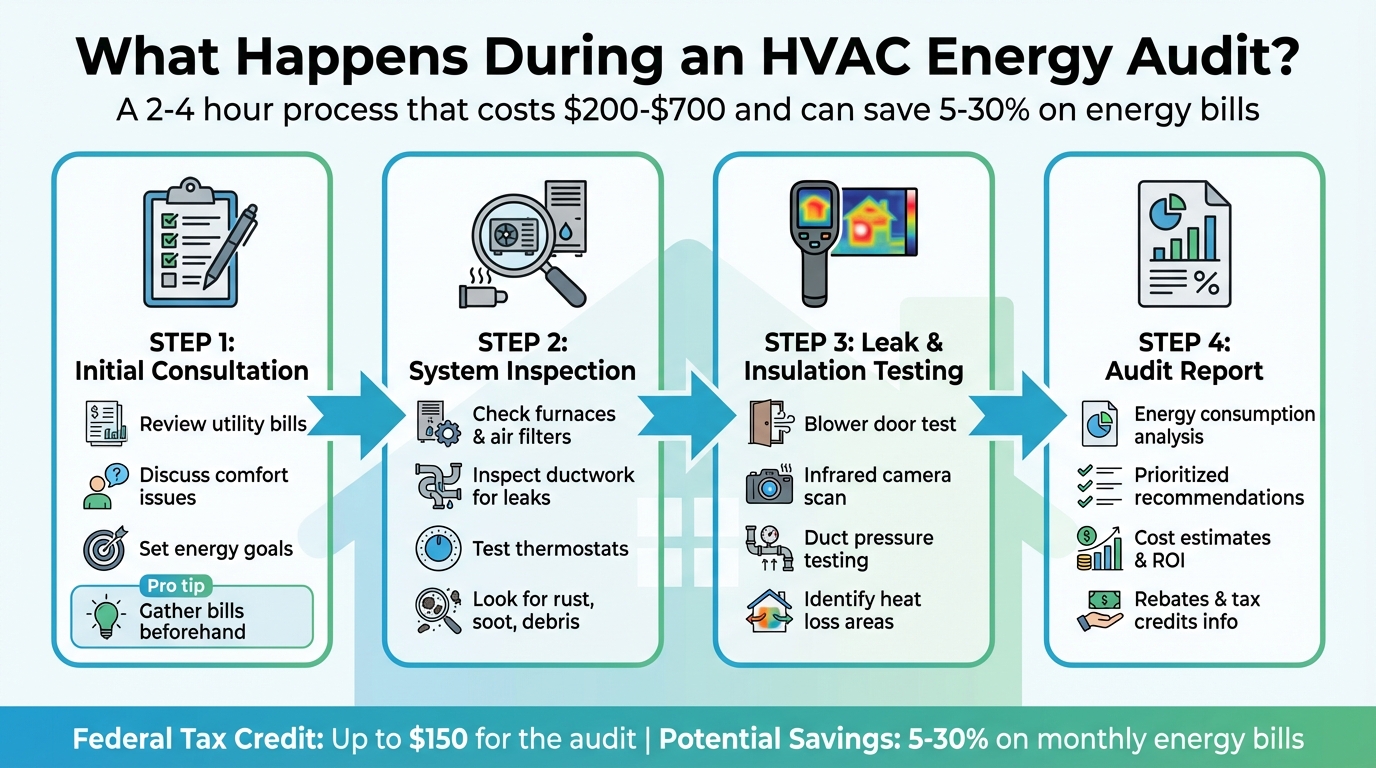
Duct design mistakes can lead to uneven temperatures, weak airflow, noisy systems, and higher energy bills. Common issues include poorly sized ducts, bad layouts, inadequate insulation, leaky connections, and unbalanced ventilation. These problems often strain HVAC systems, reduce comfort, and waste energy.

Key Solutions:

  • Proper Sizing: Use precise calculations (e.g., ACCA Manual D) to ensure ducts deliver the correct airflow.
  • Improved Layouts: Minimize long runs, sharp bends, and poorly placed vents.
  • Better Insulation: Use R-6 to R-8 insulation in unconditioned spaces to prevent heat loss/gain.
  • Seal Leaks: Apply mastic or foil tape to prevent air loss and improve efficiency.
  • Balance Airflow: Add dampers and return vents to eliminate pressure imbalances.

Professional assessments can identify hidden issues and optimize your duct system for better comfort and lower energy costs. Fixing these problems not only improves performance but also extends your HVAC system’s lifespan.

(Podcast) Common Duct Design Mistakes w/ Jack Rise

Common Duct Design Mistakes

Duct design errors can make a building feel uncomfortable, no matter how often you adjust the thermostat. These problems often arise when contractors bypass detailed calculations and rely on guesswork or outdated methods. The result? A system that might look fine but struggles to perform from the start. Knowing these common pitfalls is the first step toward fixing airflow issues.

Incorrect Duct Sizing

One of the most frequent culprits behind HVAC complaints is undersized ducts. Even when the furnace or air conditioner is correctly sized, undersized ducts can create high static pressure, leading to weak airflow, uneven temperatures, noisy vents, and faster wear on equipment. Homeowners often blame their HVAC unit for being “too weak”, but the real problem lies in the ductwork failing to deliver air efficiently.

On the flip side, oversized main trunks paired with undersized branches can reduce air velocity, causing uneven airflow and temperature inconsistencies.

These sizing mistakes often happen when contractors base duct dimensions on equipment tonnage instead of performing precise room-by-room calculations, such as those outlined in ACCA Manual D. Without these calculations, critical factors like building layout, duct length, and friction losses from fittings are overlooked, leading to performance issues.

Poor Layout and Placement

The way ducts are routed can make or break system performance. Long duct runs and sharp bends increase friction, limiting airflow to distant rooms. For example, placing a sharp elbow right above the air handler fan disrupts airflow and amplifies noise, even if the rest of the system is properly sized. Best practices recommend keeping a straight section off the fan before adding any turns.

Register placement is another common issue. Supply vents that blow into walls or furniture fail to distribute air properly, while return grilles located only in central hallways can’t evenly pull air from all rooms. In colder climates, placing supply registers near ceilings can be problematic; warm air rises, leaving the lower part of the room cooler and less comfortable for occupants.

Inadequate Insulation

Ducts running through unconditioned spaces, like attics or crawlspaces, can lose or gain heat quickly if they lack proper insulation. This leads to inefficient HVAC operation and higher energy costs. Common mistakes include bare ducts, insulation with a low R-value for the local climate, or gaps and tears in the vapor barrier.

Many building codes now require better duct insulation in unconditioned areas, as it’s a straightforward way to cut energy costs. Still, when insulation is overlooked or poorly installed, it compromises the system’s ability to deliver consistent temperatures.

Leaky Ductwork

Air leaks in duct systems can waste 20–30% of conditioned air, driving up energy bills and reducing comfort levels. These leaks often occur at joints, take-offs, boots, and anywhere ducts connect to walls, ceilings, or equipment.

When air escapes into unoccupied spaces like attics or wall cavities, it leaves rooms under-conditioned while forcing the HVAC system to work harder. Leaks on the return side can also pull in unfiltered air from crawlspaces, garages, or attics, spreading dust, odors, and allergens throughout the building. This not only affects comfort but can also worsen respiratory issues and lower indoor air quality. Concentrated leaks near the air handler or trunk lines can raise static pressure, reducing airflow at vents and lowering the system’s efficiency compared to its rated SEER or AFUE values.

Unbalanced Ventilation

A lack of return vents or poorly placed ones can throw off the system’s balance, causing drafts, uneven temperatures, and even door slamming. Many homes rely on a single central return in a hallway, which creates problems when bedroom doors are closed. This setup starves those rooms of return airflow, causing pressure imbalances. Positive pressure forces air out through cracks and windows, while negative pressure pulls in unconditioned air, making it harder to maintain consistent indoor temperatures.

Without balancing dampers in the duct branches, contractors can’t fine-tune airflow to each room. Closing supply vents to redirect air isn’t a solution – it increases static pressure and can damage equipment. Proper balancing involves measuring airflow, adjusting dampers, and ensuring each room gets the right amount of air based on its heating and cooling needs.

Mistake Category Typical Cause or Symptom Impact on Comfort and Energy
Incorrect duct sizing Ducts too small for required airflow (CFM) Weak airflow, noisy vents, longer HVAC cycles, higher bills
Poor layout and placement Long runs, sharp bends, bad vent locations Uneven temperatures, energy waste, poor airflow in some rooms
Inadequate insulation Bare or low-R insulation in unconditioned spaces Heat loss/gain, discomfort, higher energy costs
Leaky ductwork Unsealed joints, disconnected sections Air loss, poor comfort, higher bills, reduced air quality
Unbalanced ventilation Few returns, no dampers, closed doors Pressure issues, drafts, uneven temperatures, inefficiency

Understanding these common errors lays the groundwork for solutions that improve airflow, boost efficiency, and ensure HVAC systems meet professional standards.

Solutions to Fix Duct Design Mistakes

Addressing duct design mistakes doesn’t always require replacing the entire system. Instead, focusing on specific improvements – like resizing ducts, sealing leaks, upgrading insulation, and balancing airflow – can resolve many issues, restoring efficiency and comfort.

Correct Duct Sizing

Undersized ducts can cause uneven airflow and strain your HVAC system. To fix this, start with precise calculations using industry standards such as ACCA Manual J, S, and D. These calculations help determine the heating and cooling loads for each room, ensuring the ductwork delivers the correct airflow, measured in cubic feet per minute (CFM). Factors like room size, insulation, window area, climate, and duct friction losses all play a role.

Avoid relying on generic rules tied to equipment tonnage. For example, a small bedroom might only need 75–150 CFM, served by a 6–8 inch round duct, while a larger living room might require 200–400 CFM, needing an 8–10 inch duct or larger. Open-plan spaces could demand even more airflow, requiring larger ducts or multiple supply branches.

When retrofitting, focus on problem areas first – like rooms that are consistently too hot or cold. Measuring the total external static pressure at the air handler can reveal if undersized ducts are overworking the blower motor, which can shorten its lifespan and increase energy consumption.

Better Duct Layouts

Poor duct layouts often create airflow issues. Efficient designs minimize friction and pressure drops by keeping duct runs short and straight. Long runs and sharp bends add resistance, reducing airflow to distant rooms and making the fan work harder.

A trunk-and-branch layout is a practical solution, with short, direct runs to each room. Supply registers should be placed near exterior walls or windows, while return vents should be located on interior walls or ceilings to promote even air distribution.

Avoid sharp bends by using long-radius elbows or flexible transitions, and include a straight section before any turns. Renovating to eliminate overly long runs or multiple sharp bends can significantly improve both comfort and system performance.

Better Insulation

Ducts running through unconditioned spaces – like attics, garages, or crawlspaces – can lose or gain heat quickly without proper insulation. This forces the HVAC system to work harder, leading to higher energy bills. Building codes in many U.S. regions now require at least R-6 insulation for ducts in unconditioned areas, with R-8 recommended in extreme climates.

Fiberglass duct wrap or pre-insulated flex ducts are common solutions. Ensure that insulation fully covers all duct surfaces without gaps or compression, as this reduces effectiveness. Seams should be tightly sealed with tape or mastic to prevent air leaks, and exposed metal parts, like joints and boots, should be wrapped to reduce thermal bridging and condensation risks.

Studies show that sealing and insulating ducts in existing homes can cut heating and cooling energy use by 10–20%, depending on the climate, duct location, and initial leakage levels.

Sealing Duct Leaks

Leaky ducts waste energy and reduce system performance. Common leak points include joints, seams, take-offs, and connections. You can locate leaks visually or use tools like a smoke pencil or incense stick to detect escaping air. For a more precise approach, professional duct leakage testing, such as using a duct blaster, can identify problem areas.

For sealing, apply water-based mastic with a brush or gloved hand for durable results. UL-listed foil tape is also effective, especially on seams and joints, but avoid standard cloth “duct tape”, as it fails over time in hot environments.

Professional duct sealing, which may include advanced aerosol sealing, typically costs a few hundred to $1,500 for a single-family home, depending on the system’s size and complexity. While the upfront cost may seem high, the investment pays off through lower utility bills and improved comfort within a few years.

Balancing Airflow

Unbalanced airflow can create hot and cold spots throughout your home. To fix this, install balancing dampers on branch ducts for precise adjustments. Partially close dampers to over-conditioned areas and open them fully in under-conditioned spaces. Adjusting registers can also help, but avoid closing them completely, as this increases static pressure and risks damaging the system.

Many homes rely on a single central return vent, which can cause problems when bedroom doors are closed. Adding return vents or transfer grilles in these rooms prevents pressure imbalances and improves overall airflow. Ideally, every major room should have a return path, either through a dedicated grille or undercut doors. Homes with insufficient returns often experience temperature differences of several degrees between rooms and floors.

For larger systems, professional testing ensures accurate CFM distribution. Technicians use specialized instruments to measure airflow and pressure in each branch, adjusting fan speed, dampers, and duct sizing to achieve even distribution without overworking the fan. This method is far more effective than trial and error.

Professional services, like those offered by Hydrodynamics, can conduct detailed assessments that include load calculations, duct modeling, and leakage testing. With their expertise, they can redesign layouts, resize ducts, upgrade insulation, seal leaks, and balance systems to improve comfort, reduce noise, and lower energy costs.

The Role of Professional Services in Duct Design

When it comes to duct design, professional services play a critical role in ensuring everything – from sizing to layout – is done right. While minor issues might be manageable with DIY solutions, professional HVAC services bring the expertise, tools, and industry know-how needed to optimize duct systems for peak performance. Inefficient ductwork not only wastes energy but also costs more in the long run, making professional intervention a smart investment.

Benefits of Professional Assessment

Professional assessments go far beyond a simple visual inspection. Certified technicians use specialized tools to uncover hidden problems, measuring airflow, static pressure, and duct leakage with a level of accuracy that’s impossible to achieve through observation alone. For instance, duct leakage testing involves calibrated instruments to pinpoint how much conditioned air is escaping through leaks.

These evaluations often reveal issues you might not notice right away, like leaks hidden behind walls, undersized return ducts, or poorly balanced branch runs. Left unchecked, these problems can lead to higher energy bills, uneven comfort, and even premature equipment breakdowns. By addressing these inefficiencies early, professionals help you avoid costly repairs down the road.

Another major advantage is compliance with industry standards. Professionals ensure your duct system is tailored to your building’s heating and cooling needs while meeting local building codes for insulation and design. This attention to detail prevents common mistakes, such as improper duct sizing, inadequate sealing, or poorly planned layouts.

Take Hydrodynamics Inc., founded in 1994, as an example. Their EPA 609 Certified Technicians perform detailed duct assessments for residential, commercial, and industrial properties. Their expertise ensures systems not only comply with current standards but also deliver long-term efficiency. As Emma K. from Drums, PA, shared:

“They were prompt, knowledgeable, and efficient. Very pleased with their work.”

Custom Solutions for Residential, Commercial, and Industrial Needs

Duct design isn’t a one-size-fits-all process. Residential properties often need targeted upgrades, like adding return vents to balance airflow or improving insulation to cut energy loss, ensuring consistent comfort in every room. Commercial buildings, on the other hand, require more complex solutions, such as multi-zone systems or variable air volume setups, to handle fluctuating occupancy levels and stricter energy regulations. Meanwhile, industrial facilities, such as warehouses or manufacturing plants, demand high-capacity ductwork capable of managing large airflow volumes while meeting safety standards.

Hydrodynamics tailors its HVAC services to meet the unique demands of each sector, ensuring every project gets a solution that fits its specific needs.

Energy Efficiency and Cost Savings

Investing in professional duct services translates into tangible savings through better energy efficiency and reduced wear on HVAC equipment. Sealing leaks and upgrading insulation not only lower energy consumption but also cut operating costs and extend the lifespan of your system.

Well-maintained ductwork prevents your HVAC system from overworking, which can otherwise lead to higher energy bills and faster equipment wear. Tackling duct issues early minimizes operating costs and reduces the risk of premature equipment replacements. Regular inspections catch small problems before they escalate into expensive failures.

Hydrodynamics prioritizes preventative maintenance as a cornerstone of their services. In November 2025, the company published an article titled “How to Ensure Ductwork Meets Retrofit Standards”, noting that inefficient ductwork can waste up to 30% of HVAC energy. Another article from December 2025, “Duct Leakage Testing for Retrofit Projects”, emphasized the importance of professional testing in identifying leaks and improving overall efficiency.

For retrofit projects, professional assessments help modernize older duct systems, aligning them with today’s efficiency standards. This not only cuts energy use but also enhances overall comfort, making it a worthwhile upgrade for any property.

Conclusion

Mistakes in duct design can lead to a trifecta of problems: discomfort, higher energy bills, and reduced HVAC efficiency. Issues like incorrect sizing that choke airflow or leaky ductwork that wastes energy can quickly snowball into bigger headaches. The good news? These problems are often fixable with the right strategies.

The first step to solving these issues is identifying them. Problems such as poor sizing, ineffective layouts, inadequate insulation, and improper ventilation all chip away at your system’s performance. Each misstep contributes to inefficiencies that impact your comfort and wallet.

Once the issues are clear, the fixes are fairly straightforward. For example, using Manual D calculations ensures your ducts are sized correctly, delivering the right amount of airflow throughout your space. Reducing sharp bends, keeping duct runs short, and insulating ducts in unconditioned spaces with R-6 to R-8 insulation can slash energy use by as much as 20%. Sealing leaks with mastic or metal tape and balancing airflow using dampers can eliminate those annoying hot and cold spots while cutting down on energy waste.

For a more precise approach, professional assessments are invaluable. Certified technicians can locate leaks, measure airflow, and ensure your system meets industry standards. This attention to detail not only prevents costly errors but also ensures long-term savings. Companies like Hydrodynamics Inc., staffed with EPA 609 Certified Technicians, offer comprehensive duct evaluations and tailor-made solutions for residential, commercial, and industrial needs. Their expertise ensures your system operates at peak efficiency.

Fixing duct design flaws doesn’t just improve comfort – it boosts efficiency and enhances indoor air quality. Whether you’re upgrading an older system or planning a new one, investing in proper duct design pays off in the form of lower energy bills, longer equipment life, and consistent comfort. A well-thought-out duct system ensures you enjoy immediate benefits while safeguarding future savings and performance.

FAQs

How can I tell if my ductwork is the wrong size, and what can I do to fix it?

Improperly sized ductwork can cause a host of problems, including weak airflow, inconsistent room temperatures, louder-than-normal HVAC operation, and even higher energy costs. You might notice rooms that are always too hot or too cold, vents with barely any airflow, or an unusually noisy system – these are all red flags that your ductwork might not be the right size for your home.

If these issues sound familiar, it’s a good idea to call in a professional HVAC technician. They can assess your system by performing a load calculation and checking for any design flaws in your ductwork. Depending on what they find, solutions might involve resizing the ducts, sealing leaks, or installing dampers to better control airflow. Fixing these issues can make your home more comfortable, cut down on noise, and help lower your energy bills.

Why should I hire professionals for duct design and maintenance instead of attempting DIY solutions?

Hiring professionals for duct design and maintenance is a smart move if you want your system to deliver consistent airflow, lower energy costs, and dependable performance over time. These experts come equipped with the right tools and expertise to size and install ducts correctly, which helps avoid problems like uneven temperatures, noisy systems, and wasted energy.

Attempting DIY solutions might seem tempting, but they often fall short when it comes to the precision ductwork requires. This can lead to expensive repairs or increased utility bills down the road. Opting for professional services not only saves you time and effort but also ensures your HVAC system runs efficiently and reliably.

How can using dampers and adding return vents improve my HVAC system’s airflow and efficiency?

Balancing airflow with dampers and adding extra return vents can make a noticeable difference in how well your HVAC system works. Dampers give you control over how much air flows into different areas, ensuring every room gets the right level of heating or cooling. This can help get rid of uncomfortable hot or cold spots while also easing the workload on your system.

Installing additional return vents enhances air circulation by allowing conditioned air to return to the HVAC unit more effectively. This not only prevents energy waste but also helps keep temperatures consistent throughout your home, potentially lowering your energy bills. Together, these changes fine-tune your system’s performance, making your home more comfortable and energy-efficient.

Why Airflow Optimization Matters for HVAC Efficiency

Why Airflow Optimization Matters for HVAC Efficiency

HVAC systems can waste up to 30% of energy due to poor airflow. Fixing airflow issues not only cuts costs but also improves comfort and extends equipment life. Here’s what you need to know:

  • Common Problems: Clogged filters, duct leaks, blockages, and poor duct design disrupt airflow.
  • Energy Impact: Restricted airflow forces systems to work harder, increasing energy bills by 15–30%.
  • Solutions: Regular filter changes, duct repairs, air balancing, and demand-controlled ventilation (DCV) systems.
  • Benefits: Lower energy costs, longer equipment lifespan, and more consistent indoor temperatures.

If you’re facing rising energy bills, uneven temperatures, or frequent HVAC cycling, addressing airflow problems is the first step to improving efficiency and comfort. Hydrodynamics Inc. specializes in diagnosing and fixing these issues with tailored solutions for commercial spaces.

Air Flow Diagnostics w/ Joseph C Henderson

Common Airflow Problems in Commercial HVAC Systems

Commercial HVAC systems often encounter airflow challenges that can drain energy efficiency and increase operating costs. These issues frequently go unnoticed until comfort complaints pile up or energy bills skyrocket. Below, we break down the most common problems that hinder proper airflow.

Clogged Filters and Restricted Airflow

Dirty filters are a leading cause of poor HVAC performance. When filters accumulate dust, pollen, and debris, they restrict airflow, forcing the blower to work harder to push air through the system.

Clogged filters can reduce airflow by 20–40% compared to the system’s design capacity. This not only increases the energy demand on the fan but also creates a ripple effect throughout the system. Reduced airflow can lead to coils running at improper temperatures, which may cause compressor overheating, ice buildup on evaporator coils, or even motor failure.

The energy costs of ignoring this issue add up quickly. Regular filter changes can prevent a 5–10% loss in efficiency, much of which stems directly from restricted airflow. In environments like retail stores, restaurants, or industrial facilities, where dust and occupancy levels are high, filters require more frequent attention – often more than the standard quarterly maintenance schedule.

To keep systems running efficiently, inspect filters monthly and replace them as soon as the pressure drop exceeds the manufacturer’s guidelines. If the differential pressure surpasses the recommended limit, it’s time for a new filter, regardless of how recently the last one was replaced.

Ductwork Leaks and Blockages

Ductwork issues can develop gradually and often go unnoticed because they’re hidden behind walls or above ceilings. Leaks commonly occur at poorly sealed joints, disconnected duct sections, or areas where renovations have created unsealed gaps. Blockages, on the other hand, may result from collapsed flex duct, leftover construction debris, closed dampers, or supply registers obstructed by furniture or equipment.

Studies show that poorly sealed commercial duct systems can lose 10–30% of total airflow through leaks. This means a significant portion of conditioned air escapes into unoccupied spaces like ceiling cavities or mechanical rooms, forcing the system to work harder and increasing energy consumption. Rooms at the far end of the system often suffer the most, remaining under-supplied and uncomfortable.

Signs of ductwork issues include rooms that never reach the desired temperature, whistling or other noises from ducts, visible dust at joints, and noticeable temperature differences between supply and return. Tools like duct blasters can quantify leakage rates, helping pinpoint where repairs will have the greatest impact.

Start with a visual inspection, checking for disconnected or crushed ducts and closed dampers. For more precise diagnostics, tools like smoke pencils and duct blasters can identify problem areas. Partnering with experienced contractors, such as Hydrodynamics, ensures proper sealing, repairs, and removal of obstructions, restoring airflow to its intended levels.

Improper Duct Sizing and Design

Even with clean and sealed ducts, poor sizing and design can severely impact system performance. Undersized ducts create excessive static pressure, overworking the fans and often leading to noise complaints. On the other hand, oversized ducts reduce air velocity, resulting in poor mixing and uneven temperature distribution.

Common design errors include:

  • Using rule-of-thumb sizing instead of detailed load calculations
  • Installing overly long or convoluted flex duct runs with sharp bends
  • Providing insufficient return air pathways
  • Placing long duct runs on the same branch as high-demand areas

These mistakes lead to inefficiencies and higher energy costs. Proper duct design is essential to balance airflow and maintain efficient operation.

Issue Type How It Harms Airflow Typical Impact on Efficiency & Costs
Clogged filters and coils Increases resistance, lowering airflow and heat transfer Prolonged operation increases energy use by 5–10%
Duct leaks Allows conditioned air to escape into unoccupied spaces Wastes 10–30% of airflow and energy
Duct blockages Limits flow due to debris, collapsed sections, or closed dampers Causes hot/cold spots and comfort issues
Improper duct sizing High static pressure or low velocity disrupts airflow Fans work harder, leading to noise complaints and inefficiency
Poor duct layout/design Adds unnecessary resistance with long runs or missing dampers Zones are under-supplied, increasing energy use

When poor duct design causes chronic airflow problems, retrofit options can help. Solutions include redistributing airflow, upsizing key ducts in problem areas, increasing return air capacity, and replacing long or kinked flex ducts with properly sized rigid ducts. In some cases, adding variable air volume (VAV) boxes or zoning controls can help manage airflow more effectively, allowing the system to operate closer to its intended performance.

For building owners and facility managers, professional diagnostics are crucial when issues like persistent hot and cold spots, high utility bills, noisy ducts, or frequent comfort complaints persist despite routine maintenance. Partnering with contractors like Hydrodynamics can provide detailed measurements of static pressure, airflow, and duct leakage. This data allows for targeted repairs that reduce energy costs, extend equipment life, and improve indoor comfort over time.

How Poor Airflow Affects System Efficiency and Costs

When airflow issues go unchecked, they create a domino effect that hits your budget in more ways than one. Poor airflow drives up energy bills, wears out equipment faster, and disrupts the work environment. Understanding these effects makes it clear why facility managers should treat airflow optimization as a top maintenance priority.

Higher Energy Consumption

Restricted airflow forces HVAC systems to work harder, leading to longer cycles and higher energy use. When air struggles to move freely through ducts, filters, or vents, components like fans, compressors, and blowers are pushed to their limits just to maintain the desired temperature.

The financial impact is immediate and visible in utility bills. For instance, inefficient ductwork alone can waste up to 30% of HVAC energy, driving up monthly costs even if thermostat settings remain unchanged. Studies show that demand-controlled ventilation systems, when properly adjusted, can cut ventilation-related energy costs by 25% to 41%, depending on the building’s design and usage patterns. In commercial data centers – where precise cooling is non-negotiable – HVAC systems account for about 40% of total energy consumption. This extra energy demand also puts undue stress on system components, shortening their lifespan.

Equipment Strain and Early Failure

Poor airflow doesn’t just increase energy use – it also takes a toll on your equipment. Restricted airflow causes heat buildup, which can lead to frequent shutdowns and strain on compressors and fans. Over time, this wear accelerates component failure, leading to expensive repairs or premature replacements. Safety mechanisms designed to protect the system from overheating are triggered more often, adding further stress to motors and electrical components.

For businesses, equipment failures go beyond repair costs. They can disrupt operations, interrupt climate control, and harm temperature-sensitive equipment, leading to unplanned expenses that throw off financial planning. In heating systems, restricted airflow can even increase the risk of carbon monoxide buildup in combustion-based units and contribute to electrical problems that elevate fire risks. Ensuring proper airflow not only extends equipment life but also reduces the likelihood of costly emergencies and simplifies long-term maintenance.

Indoor Air Quality and Comfort Problems

Beyond energy and equipment concerns, poor airflow affects the primary goal of any HVAC system: creating a comfortable and healthy indoor environment. Insufficient circulation traps pollutants, allergens, and moisture, which can lead to humidity issues, mold growth, and uneven temperatures that disrupt both comfort and productivity.

These issues don’t just make the space uncomfortable – they can also lower employee morale and productivity, sparking ongoing complaints from building occupants.

Fixing airflow problems restores the system’s ability to maintain steady temperatures, manage humidity, and circulate clean, filtered air. This creates a healthier indoor environment that supports well-being and efficiency while also cutting operational costs and reducing wear on equipment.

Solutions for Improving HVAC Airflow

Addressing the airflow challenges outlined earlier requires a combination of professional evaluation, regular upkeep, and advanced control systems. While the specific approach depends on your building’s setup, there are three key strategies that consistently enhance performance and lower energy costs. These solutions tackle issues like airflow imbalances, duct inefficiencies, and outdated controls.

Air Balancing and System Assessment

Air balancing ensures that conditioned air is evenly distributed throughout a building. This professional process involves using tools like anemometers, flow hoods, and manometers to measure airflow at supply and return registers, as well as static pressure across filters and coils. These readings are then compared to design specifications to pinpoint imbalances or restrictions.

Through air balancing, technicians can identify zones that are either over-served or under-served. Simple adjustments, such as repositioning dampers, tweaking fan speeds, or updating control sequences, can lead to noticeable improvements in comfort and energy efficiency. In U.S. commercial buildings, HVAC systems often account for 30% to 40% of total energy consumption. Proper air balancing also helps reduce contaminants like mold and dust, which improves indoor air quality.

To ensure a smooth air balancing process, facility managers should make sure all supply and return grilles are accessible, ceiling tiles near diffusers are intact, and doors and partitions are positioned as they would be during normal operations. Scheduling this work during off-peak hours and notifying building occupants ahead of time can minimize disruptions. Key data, such as measured versus target CFM, static pressure, and temperature differences, can guide targeted adjustments that directly impact energy costs.

Once airflow distribution is optimized, attention should shift to the duct system.

Ductwork Maintenance and Repair

Maintaining ductwork is critical for preventing airflow restrictions and energy losses caused by leaks. Building owners should establish a routine for inspecting and replacing filters, checking duct insulation, and examining accessible ducts for loose connections, damage, or signs of condensation and dust buildup – common indicators of leaks.

Sealing leaks with mastic or UL-listed tapes and regular duct cleaning can restore proper airflow and reduce energy waste. These straightforward maintenance steps can quickly translate into energy savings.

Signs of duct issues include uneven temperatures, noisy vents, weak airflow at distant registers, and rising energy bills. Diagnostic tools like thermal imaging, smoke tests, and airflow comparisons between duct branches can help locate problems such as undersized or overly long duct runs. If the duct layout matches the building’s current use, minor fixes like sealing leaks or adding balancing dampers are often sufficient. However, if the layout has significantly changed or comfort issues persist, a full redesign may be necessary.

Once the duct system is in good shape, advanced controls can further enhance performance.

Demand-Controlled Ventilation Systems

Demand-controlled ventilation (DCV) systems automatically adjust airflow based on real-time occupancy levels, using CO₂ or motion sensors. When occupancy increases and CO₂ levels rise, the system increases ventilation to maintain air quality. Conversely, it reduces airflow when spaces are less occupied, cutting energy use. This approach can lower ventilation-related energy costs by 25% to 40% and is especially effective in buildings with variable occupancy, such as offices, schools, and event spaces.

Installing DCV involves adding sensors, upgrading control systems, and automating fan speeds and damper adjustments. Proper planning ensures minimal downtime during installation and integration. Over time, DCV systems deliver significant savings through lower energy bills, reduced maintenance needs, and extended equipment life. Additionally, these systems help meet energy regulations and sustainability goals by avoiding over-ventilation.

For buildings with complex HVAC setups – like those combining office and industrial spaces or integrating HVAC with plumbing – working with an experienced provider can be invaluable. Companies like Hydrodynamics offer coordinated services, including air balancing, duct repairs, and control upgrades, to ensure that airflow improvements align with overall system performance and energy-saving goals.

Long-Term Benefits of Airflow Optimization

Taking corrective steps to optimize airflow can lead to a host of long-term advantages. By investing in air balancing, repairing ductwork, and upgrading to modern controls, businesses can enjoy reduced costs, extended equipment life, and a better indoor environment. For many commercial properties, the financial and operational improvements can outweigh the initial investment within just a few years.

Lower Energy Costs

When airflow is optimized, energy consumption drops because fans and other HVAC components don’t have to work as hard. This means heating and cooling systems can maintain the desired temperatures without constant cycling, resulting in lower utility bills. Demand-controlled ventilation (DCV) systems, in particular, can significantly cut ventilation energy costs. Even straightforward fixes like sealing duct leaks, balancing zones, and cleaning coils can reduce HVAC energy use by 15% to 30%.

For example, a medium-sized office spending $5,000 monthly on HVAC electricity could save between $750 and $1,500 each month – adding up to $9,000 to $18,000 annually. In data centers, where HVAC systems can account for roughly 40% of total energy use, even small efficiency improvements can lead to major cost reductions.

Longer Equipment Lifespan

Balanced airflow helps HVAC components operate within their intended limits. Fans running at moderate speeds, compressors staying cool, and motors avoiding overheating all contribute to less mechanical strain. This reduces the likelihood of emergency breakdowns and delays the need for expensive replacements. By extending the life of equipment, businesses can shift from costly emergency repairs to scheduled maintenance, making budgeting more predictable and lowering overall maintenance costs in the long term.

Better Comfort and Air Quality

Optimized airflow ensures a consistent indoor environment by evenly distributing conditioned air. This eliminates hot and cold spots and helps maintain proper humidity levels, preventing spaces from feeling too dry in winter or overly humid in summer. Enhanced airflow also improves indoor air quality by diluting pollutants like CO₂, dust, allergens, and volatile organic compounds. For systems with demand-controlled ventilation, sensors automatically adjust air exchange to maintain recommended air quality levels. Over time, these improvements create a more comfortable environment for occupants, which can also contribute to higher satisfaction and retention rates.

Aspect Poor / Unoptimized Airflow Optimized Airflow
Energy Use & Costs High fan and compressor runtime; frequent over-ventilation; higher bills Reduced runtime; lower energy and ventilation costs
Equipment Lifespan Excessive strain leads to frequent breakdowns and replacements Lower strain extends lifespan and reduces emergency repairs
Comfort Uneven temperatures with hot/cold spots and drafts Even temperature distribution for better comfort
Indoor Air Quality Dust buildup and stagnant air zones Better filtration and improved air quality

Large buildings with complex duct systems, variable occupancy, or older infrastructure – such as offices, schools, event venues, and retail spaces – stand to gain the most from airflow optimization. Older properties with aging ductwork and unbalanced systems are particularly prone to inefficiencies, making airflow improvements especially impactful. For businesses aiming to achieve these benefits, working with an experienced HVAC provider like Hydrodynamics Inc. can streamline air balancing, duct repairs, and control upgrades into a single, energy-efficient solution.

Conclusion

Getting airflow right is a game-changer for HVAC systems. It impacts everything – energy costs, equipment lifespan, and the comfort of the people inside the building. When filters are clogged, ducts leak, or the system is poorly designed, the entire operation takes a hit. Energy bills spike as fans and compressors work harder than they should, equipment breaks down faster, and uneven temperatures make for an uncomfortable environment.

The upside? Fixing airflow issues pays off. With professional assessments, duct repairs, air balancing, and updated controls, businesses can cut HVAC energy use by 15% to 30% – sometimes even more. These steps not only save money but also extend the life of your equipment and improve indoor conditions for everyone. The benefits are clear and measurable, making airflow improvements a smart investment.

If you’ve noticed hot and cold spots, rising energy bills, frequent HVAC cycling, or complaints about air quality, it’s time to act. These are all signs that your system needs attention. A professional contractor can identify and fix problems like duct leaks, blockages, and outdated ventilation strategies. They’ll handle tasks like sealing leaks, replacing filters, and adjusting airflow to optimize your system while helping you plan for future upgrades.

Hydrodynamics Inc. makes this process straightforward. Their certified technicians specialize in diagnosing and solving airflow challenges. Whether it’s redesigning ducts, upgrading equipment, or installing energy-efficient controls, they offer tailored solutions to meet your needs. From office buildings to data centers and retail spaces, partnering with experts ensures your HVAC system runs efficiently and stays that way.

Don’t wait for breakdowns or skyrocketing energy costs. Reach out to Hydrodynamics today to learn how professional airflow optimization can save you money, protect your equipment, and make your building more comfortable for everyone.

FAQs

What are the signs of poor airflow in my HVAC system, and how can I start troubleshooting it?

Poor airflow in your HVAC system can manifest in a few noticeable ways: uneven heating or cooling, weak airflow from the vents, or a spike in energy bills without a corresponding change in comfort. You might also experience hot or cold spots in your home or hear odd noises coming from the system.

To start diagnosing the issue, the first step is to check the air filters. Filters that are dirty or clogged are a common culprit behind airflow problems. Next, take a look at the vents and registers – ensure they’re fully open and not blocked by furniture or other objects. If these quick fixes don’t resolve the issue, the problem might be more complex. It could stem from ductwork leaks, blocked ducts, or even a malfunctioning blower motor, which would likely require the expertise of a professional technician.

What are the long-term financial benefits of optimizing airflow in my commercial HVAC system?

Optimizing the airflow in your commercial HVAC system isn’t just about keeping the air comfortable – it can also save you a lot of money over time. When airflow is properly managed, your system runs more efficiently, which means it uses less energy. That translates to lower utility bills, and depending on the size and usage of your building, these savings could easily add up to thousands of dollars.

But that’s not all. Better airflow also helps protect your HVAC system from unnecessary wear and tear. By reducing strain on the components, you can extend the life of your equipment, cutting down on expensive repairs and replacements. In short, improving airflow isn’t just a comfort upgrade; it’s a smart way to reduce operating costs and protect your investment.

What is demand-controlled ventilation, and how does it enhance energy efficiency in buildings with varying occupancy levels?

Demand-controlled ventilation (DCV) is a smart system that adjusts airflow in a building based on how many people are present. It typically relies on sensors to track carbon dioxide (CO2) levels or other signs of human activity. By delivering ventilation only where and when it’s required, DCV helps cut down on wasted energy.

This system boosts energy efficiency by easing the burden on HVAC systems, which translates to lower heating and cooling expenses. At the same time, it maintains a comfortable indoor environment. DCV is particularly useful in places with changing occupancy levels, like offices, conference rooms, or event spaces, where ventilation needs shift throughout the day.

How to Seal and Insulate HVAC Ducts

How to Seal and Insulate HVAC Ducts

Leaky ducts waste 20–30% of your heated or cooled air, driving up energy bills and reducing HVAC efficiency by up to 25%. Sealing and insulating ducts can solve this, saving you 20–30% on energy costs and creating a more comfortable home with consistent temperatures and improved air quality.

Key Benefits:

  • Save Money: Cut utility bills by up to 30%.
  • Boost Efficiency: Improve HVAC performance by up to 25%.
  • Better Comfort: Eliminate hot and cold spots in your home.
  • Healthier Air: Prevent dust, allergens, and pollutants from entering your ducts.

What You’ll Need:

  • Tools: Mastic sealant, UL 181-rated foil tape, utility knife, staple gun.
  • Insulation: Fiberglass, polyethylene foam, or reflective insulation.
  • Safety Gear: Gloves, safety glasses, respirator.

Quick Steps:

  1. Find Leaks: Use your hands, a smoke pencil, or tissue to detect escaping air.
  2. Seal Ducts: Apply mastic and foil tape to joints and seams.
  3. Add Insulation: Wrap ducts with insulation and secure with foil tape.

Sealing and insulating ducts can pay for itself in energy savings while extending the life of your HVAC system. Whether tackling this as a DIY project or hiring a pro, it’s one of the most effective upgrades for energy efficiency and comfort.

How to Seal an HVAC Duct with Mastic – Duct Sealant

Tools and Materials You’ll Need

Having the right tools and materials is essential for achieving a professional and durable duct sealing and insulation job. Each item plays a role in creating airtight seals and effective insulation.

Required Tools

To tackle air leaks, mastic sealant is your go-to solution. This thick, paste-like substance forms a durable seal that resists cracking or peeling over time. Pair it with UL 181-rated foil tape, specially designed for HVAC systems, as regular duct tape won’t hold up under the temperature fluctuations of HVAC systems.

A utility knife or duct knife ($20–$30) ensures precise cuts through insulation and tape, while a measuring tape ($5–$20) helps you size materials accurately. A brush or applicator is key for spreading mastic evenly across surfaces, and a staple gun ($20–$40) secures insulation to joists. You’ll also need a caulking gun ($5–$30) to apply sealant around vents.

“As part of insulation installation, you’ll use a combination of mastic sealant and foil tape to address any leaks you find.” – This Old House

For general tasks, keep a screwdriver set ($10–$30), adjustable pipe wrench ($10–$30), and pliers set ($15–$45) on hand for handling duct connections. A torpedo level ($20–$35) ensures everything stays aligned, while tin snips ($10–$35) make clean cuts through metal ductwork.

Once your tools are ready, it’s time to choose insulation materials that suit your system’s needs.

Insulation Materials

Fiberglass insulation is a popular choice for its thermal and soundproofing properties. Available in batts, rolls, and loose-fill forms, it offers R-values between R3.0 and R4.0 per inch. For humid environments, polyethylene foam stands out with its superior moisture resistance and an R-value of R4.2 per inch.

In hotter climates, reflective insulation helps by deflecting radiant heat, while mineral wool provides excellent fire resistance and sound absorption, with R-values similar to fiberglass.

Insulation Type R-Value Range (per inch) Available Forms
Fiberglass R3.0 – R4.0 Batts, rolls, loose-fill
Polyethylene Foam R4.2 Sheets
Reflective Insulation Varies Rolls, sheets
Mineral Wool R3.0 – R4.0 Batt insulation, boards

For tighter spaces, R6 insulation is a budget-friendly option, while R8 insulation offers better thermal performance but requires more room and investment. R8 ductwork can reduce power loss by about 2% compared to R6, making it a worthwhile upgrade.

Selecting the right insulation enhances your system’s efficiency, complementing the sealing process.

Safety Equipment

Safety should always be a priority when working with insulation and sealants. Materials like fiberglass, cellulose, and mineral wool can irritate the skin, eyes, and respiratory system. Additionally, some sealants release volatile organic compounds (VOCs), which can be harmful if inhaled.

Equip yourself with heavy-duty gloves to protect against insulation fibers, and wear safety glasses or goggles with side shields to shield your eyes. A respirator with proper filters is necessary to guard against hazardous particles – simple dust masks won’t cut it.

“Long-sleeved shirts and long-legged pants, gloves, and head coverings are generally recommended to protect against skin irritation when working with fiberglass insulation. In some cases, eye protection and respiratory protection may also be necessary.” – Occupational Safety and Health Administration

Add long-sleeve workwear to minimize skin exposure, and opt for steel-toe boots to safeguard your feet from injuries. If you’re working at heights, make sure to use fall protection gear. A complete Personal Protective Equipment (PPE) package typically costs between $85 and $275 – a worthwhile investment in your safety.

How to Seal HVAC Ducts

Sealing your HVAC ducts is a practical way to save energy and improve system efficiency. In older homes, as much as 10% to 25% of heated or cooled air can escape through ductwork, and in some cases, that figure can climb to 50% before the air even reaches your vents. Follow these steps to tackle those costly leaks.

Find and Identify Leaks

Start by running your HVAC system at full power to expose any air leaks. Focus on areas where ductwork is most accessible, such as attics, basements, crawl spaces, and utility closets – these spots are often the culprits for leaks.

“The easiest way to find duct leaks is to inspect exposed ductwork and feel for air escaping at joints, seams, and connections while your HVAC system is running.”
– Elisabeth Beauchamp, Senior Staff Writer, Today’s Homeowner

Use your senses to locate problem areas. Feel around joints and seams for escaping air, and listen closely for whistling sounds, which often indicate small gaps. Pay special attention to duct elbows and joints, as these are common trouble spots.

Sometimes, visual signs can point to hidden leaks. Dust buildup around vents might mean leaks are pulling in debris from attics or crawl spaces, while moisture on ducts could indicate airflow issues or escaping air.

For a more precise approach, try using a smoke pencil or hold a tissue near seams to detect airflow. These tools are affordable and can be found for about $30 at most home improvement stores.

If your ducts are hidden behind walls, floors, or ceilings, a professional pressure test might be necessary. This service typically costs between $200 and $400 for a standard home.

Once you’ve identified the leaks, the next step is to prepare the duct surfaces for sealing.

Clean and Prepare Surfaces

Proper surface preparation is key to ensuring sealants stick effectively. Begin by cleaning and drying the ductwork thoroughly, as dirt, dust, and grease can prevent sealants from adhering properly. Use a rag and a mild cleaner to wipe down seams and remove debris. This step may seem small, but it’s crucial for creating a strong bond.

Make sure the surfaces are completely dry before applying any sealant. Moisture can compromise adhesion and lead to seal failure.

Apply Mastic and Foil Tape

With the leaks identified and the surfaces prepped, it’s time to seal the ducts. Mastic is widely regarded as one of the most effective materials for this job. When applied correctly, it forms a durable barrier against air leaks. For added durability, many professionals pair mastic with specialized foil tape.

Apply a generous layer of mastic over the seams and joints, extending the coverage a few inches beyond each leak to ensure all gaps are covered. For larger gaps, mastic tape is a solid option [25, 27]. When using tape, press it down firmly to avoid wrinkles or bubbles, as these can compromise the seal [25, 27].

Allow the mastic to dry completely – this usually takes 24 to 48 hours – before running your HVAC system. Once dried, use a smoke pencil or an incense stick to check for any remaining leaks. If needed, apply additional sealant.

Sealing your ducts can cut heating and cooling efficiency losses by up to 20%. Taking the time to follow these steps can lead to noticeable energy savings and lower utility bills.

How to Insulate HVAC Ducts

Once you’ve sealed your ducts to prevent air leaks, the next step is insulation. Properly insulating your ducts helps to reduce energy loss and moisture buildup, especially in unconditioned spaces like attics and basements, where temperatures can vary significantly.

“Insulating your ductwork is more than just a home improvement task – it’s an investment in your home’s comfort and energy efficiency.”
– This Old House

The key to effective insulation lies in accurate measurements and careful installation techniques.

Measure and Cut Insulation

Start by measuring the circumference of each duct, adding 2 extra inches to account for overlap. For instance, if a duct measures 12 inches around, cut the insulation to 14 inches wide. This overlap ensures a snug fit and better sealing.

Next, measure the length of each duct run individually – dimensions can differ throughout the system. Use a sharp utility knife or heavy-duty scissors to make clean, precise cuts. Leave a slight overlap at the ends of each section to prevent gaps, which can lead to thermal bridging.

Wrap and Secure Insulation

Wrap the cut insulation around the ductwork, ensuring you don’t compress it, as this can reduce its effectiveness. Overlap the seams by 2 inches to create a tight barrier that minimizes air and moisture infiltration.

Use foil tape to secure the seams, pressing it firmly along the entire length of each overlap for a continuous seal. Pay extra attention to the ends of each insulation section – seal them directly to the duct or the adjoining insulation piece. Richard Trethewey from This Old House highlights the importance of sealing every joint and seam to ensure maximum efficiency.

Insulating Ducts in Unconditioned Spaces

Ducts located in unconditioned spaces face extreme temperature fluctuations, which can lead to significant energy losses. For example, ducts in an unconditioned attic can waste up to 20% of your furnace or air conditioner’s output, with losses climbing to 28% on particularly hot days.

Moisture is another challenge in these areas, especially in humid climates where condensation can form on duct exteriors during summer months. To address this, include a vapor barrier when insulating ductwork in attic spaces.

For accessible ducts in unconditioned areas, start by applying 1 inch of closed-cell spray foam. This not only seals seams but also provides thermal and moisture protection. Once the spray foam is in place, add a layer of loose-fill cellulose insulation for extra thermal efficiency.

Additionally, ensure that ductwork in these spaces stays in direct contact with the ceiling or attic floor rather than being suspended. This positioning helps stabilize temperatures and reduces the risk of condensation. When insulating ducts in attics or crawl spaces, tightly wrapping the insulation around the ducts is essential for maintaining energy efficiency and ensuring your HVAC system performs at its best.

sbb-itb-99db659

Benefits of Sealing and Insulating Ducts

Sealing and insulating your ducts can make a noticeable difference in how your HVAC system performs, how much you spend on energy, and even the air you breathe. These changes ripple through your entire system, improving efficiency, cutting costs, and enhancing comfort.

One of the biggest advantages is better energy efficiency. According to ENERGY STAR, leaky ducts can reduce your system’s efficiency by as much as 20%. That means even if you have a high-efficiency HVAC system, duct leaks could make it operate like a far less efficient unit – think a 13 SEER system performing like a 7 or 9 SEER one.

“Sealing and insulating ducts increases efficiency, lowers your energy bills, and can often pay for itself in energy savings.” – ENERGY STAR

Another big win? Lower energy bills. The National Air Duct Cleaners Association (NADCA) estimates that 25–40% of the energy used for heating or cooling is wasted. By sealing your ducts, you could save an average of 20% on energy costs, with some homeowners even cutting their bills by up to 30%.

Improved indoor air quality is another key benefit – especially for people with allergies or respiratory issues. Leaky ducts often pull in dust, pollen, and other pollutants from crawl spaces, attics, or wall cavities. These contaminants then circulate throughout your home. Considering that indoor air can be two to five times more polluted than outdoor air, sealing your ducts can make a big difference.

“Sealing improves indoor air quality by preventing dust and contaminants from entering the ducts.” – West Coast Chief Repair

Sealing and insulating also help eliminate hot and cold spots, ensuring consistent temperatures and better comfort throughout your home. Plus, your HVAC system won’t have to work as hard to compensate for energy losses, which means less wear and tear. Over time, this can extend the lifespan of your system and even lower maintenance costs.

Benefits Comparison Table

Benefit Category Before Sealing/Insulating After Sealing/Insulating Potential Savings
Energy Efficiency 20% efficiency loss due to leaks Efficiency improved by up to 25% Up to 25% efficiency increase
Utility Costs 25–40% energy waste Optimized energy usage 20–30% cost reduction
Air Quality Pollutants circulated throughout home Reduced indoor pollutants Cleaner air for allergy sufferers
Temperature Control Hot/cold spots and uneven heating/cooling Consistent room-to-room temperatures Improved comfort
System Lifespan Increased wear from overworking Reduced strain on equipment Longer HVAC system life

The financial perks don’t stop at monthly savings. Properly sealed ducts can reduce your heating and cooling demands, potentially allowing you to downsize to a smaller, less expensive HVAC system when it’s time to replace it. That could mean thousands of dollars in upfront savings.

For homes with ducts in unconditioned spaces like attics or crawl spaces, sealing and insulating is especially cost-effective. These areas are prone to extreme temperature fluctuations, so addressing leaks here can significantly boost both energy efficiency and comfort.

The benefits are clear, and as we’ll see next, expert installation plays a crucial role in achieving these results.

About Hydrodynamics

Hydrodynamics Inc. has been a trusted provider of duct sealing and insulation services since 1994, catering to residential, commercial, and industrial clients. As a family-owned business with nearly 30 years of experience, they pride themselves on delivering high-quality solutions through a team of factory-trained technicians. These professionals stay sharp by regularly updating their skills to handle everything from straightforward tasks to more complex installations.

“Our range of services has grown to meet today’s ever-changing demands, continuously adopting the latest energy efficient technology.” – Hydrodynamics Inc.

Their commitment to quality is evident in every project. Hydrodynamics’ technicians understand the critical role that proper duct sealing and insulation play in boosting energy efficiency and system performance. They excel at pinpointing problem areas and applying effective sealing techniques that align with current energy standards.

The company provides a full suite of HVAC services, including installations, repairs, maintenance, and energy-efficient solutions. What truly sets them apart is their focus on preventative care. For example, in April 2024, during a routine system test, their team replaced a failed damper actuator. This quick action prevented what could have been $1.2 million in damages. Their thorough inspections are designed to catch small issues before they escalate into costly problems.

“Trust is essential, and Hydrodynamics strives to earn it with every service provided. At Hydrodynamics Inc., we strive to gain the trust of our customers by providing and delivering the best value on every encounter with our customers.” – Hydrodynamics Inc.

Hydrodynamics is an active member of the local Plumbing, Heating, and Air Conditioning Guild, ensuring their work meets or exceeds industry standards. This dedication is particularly important given that HVAC systems account for 40% of energy consumption in U.S. buildings. Their expertise and adherence to best practices make them a reliable partner in addressing HVAC challenges.

Whether it’s sealing leaky attic ducts, insulating commercial ductwork, or tackling industrial projects, Hydrodynamics’ skilled technicians have the experience and tools to deliver exceptional results. For homeowners aiming to improve energy efficiency, their proven methods can help achieve up to 20% in energy savings. With a focus on energy-efficient technology, Hydrodynamics ensures optimal system performance while helping clients save on energy costs.

Conclusion

Sealing and insulating your ducts can make a noticeable difference in your home’s efficiency, energy costs, and indoor air quality. By sealing your ducts, you could save up to 20% on energy costs, while proper insulation has the potential to cut utility bills by as much as 30%. These savings are even more striking when you realize that 20% to 30% of the air moving through a typical home’s duct system is often lost due to leaks.

Using durable materials like mastic, which lasts 15–30 years, or Aeroseal sealant, which can last up to 40 years, helps protect your investment over the long term. Beyond saving energy, sealed ducts contribute to better indoor air quality by preventing pollutants from entering and circulating through your system. Plus, they reduce the strain on your HVAC system, which can help extend its lifespan.

Professional installation offers an added layer of assurance, especially for hard-to-reach areas like crawl spaces or attics. While DIY methods can address some accessible spots, professionals bring advanced tools like Aeroseal technology, flow hoods for airflow measurement, and blower tests to ensure a thorough seal. They also make sure that fire-resistant materials are used near heat sources for safety.

The cost of duct sealing typically ranges from $500 to $4,000, depending on factors like your home’s size and the complexity of the ductwork. With the potential to reduce heating and cooling costs by 20–30%, many homeowners find that the investment pays for itself within just a few years. The immediate comfort, energy savings, and long-term protection for your HVAC system make duct sealing and insulation one of the best upgrades for improving home efficiency.

For anyone looking to optimize their HVAC performance, professional duct sealing and insulation is a smart step toward greater comfort, lower energy bills, and lasting peace of mind.

FAQs

How can I tell if my HVAC ducts need to be sealed and insulated?

If your HVAC ducts are in need of sealing or insulation, you might come across a few telltale signs. These include rising energy bills, uneven temperatures from room to room, or noticeable hot and cold spots around your home. You might also detect stuffy air, musty smells, visible gaps or damage in the ductwork, or even an uptick in dust and airborne particles. All of these can take a toll on energy efficiency and the quality of the air inside your home.

Taking care of these issues quickly can make a big difference. Properly sealed and insulated ducts help ensure that conditioned air flows efficiently to every part of your home. This not only cuts down on energy waste but also keeps temperatures consistent, making your living space more comfortable while helping to lower energy costs.

Can I seal and insulate my HVAC ducts myself, or do I need a professional?

While you might be tempted to tackle sealing and insulating your HVAC ducts yourself, hiring a professional often ensures better results. Experts bring the right tools, materials, and techniques to the table, helping to prevent leaks and optimize your system’s performance. In the long run, this can lead to noticeable savings on your energy bills.

Sure, DIY fixes can work for smaller issues, but mistakes in sealing or insulation could cause air leaks or lower efficiency. For a job done right the first time, it’s worth considering a professional who specializes in HVAC systems.

What type of insulation should I use for my HVAC ducts?

When choosing insulation for your HVAC ducts, materials like fiberglass and mineral wool are solid options. These materials are widely used in the U.S. because they provide effective thermal insulation and reduce noise. To achieve the best energy efficiency, look for insulation with an R-value between R-4 and R-8. An R-8 rating is especially useful for retaining heat in areas like attics or basements that aren’t temperature controlled.

Equally important is how the insulation is installed. Make sure it’s applied securely and fits snugly around the ducts to avoid air leaks. Your local climate and where your ducts are located will also play a role in selecting the right R-value. A properly insulated duct system not only improves energy efficiency but can also help lower your utility bills over time.