Maria is the Office Manager at Hydro Dynamics, ensuring seamless day-to-day operations and providing exceptional support to the team. With her organizational skills and attention to detail, Maria plays a key role in maintaining efficiency and a positive workplace environment.

Energy Audit Costs by State

Energy Audit Costs by State

Energy audits help you find ways to save on energy bills by identifying inefficiencies in your home or building. Costs vary depending on location, property size, and audit type. Here’s a quick breakdown:

  • Average Cost: $200–$700 (National average: $437)
  • By Region:
    • Northeast: $550–$800 (e.g., New York $800)
    • South: $700–$750 (e.g., Miami $750)
    • West: $275–$300 (e.g., Denver $275)
    • Midwest: $200–$650 (e.g., Chicago $450)
  • Audit Levels:
    • Level 1: $150–$200 (basic inspection)
    • Level 2: $200–$650 (detailed testing)
    • Level 3: $650–$900 (thorough analysis)

Incentives: Federal tax credits up to $150 and state-specific rebates can lower costs. Savings on energy bills range from 5% to 30%.

Energy audits are a smart investment to cut costs and improve energy efficiency. Check local programs for rebates or free audit options.

How Much Does A Building Energy Audit Cost? – Earth Science Answers

1. Northeast States

The Northeast stands out as one of the priciest regions in the U.S. for energy audits. New York tops the list with an average cost of $800 per audit, while Boston follows at $550 – both well above the national average of $437[2][1].

Average Cost

Energy audit costs in the Northeast vary significantly, with prices ranging from $0.08 to $0.50 per square foot. For context, New York’s average cost is nearly twice the national rate, and Boston’s pricing is about 26% higher than average[2][1].

Testing components also come at a premium in this region. A blower door test typically costs around $350, duct testing averages $100, and infrared testing runs about $200[2][1]. HERS evaluations are priced at approximately $375, with an extra $200 for certification[2].

These figures highlight the financial considerations tied to energy audits in the Northeast, driven by both the depth of testing and regional factors.

Audit Depth Options

The cost of energy audits in the Northeast also depends on the level of detail involved. Basic audits, which focus on visual inspections of primary systems, typically cost between $150 and $200[2].

More comprehensive audits range from $300 to $900 and include specialized tests like blower door assessments, infrared imaging, and duct leakage analysis[2]. These detailed evaluations are especially valuable in the Northeast, where heating expenses often account for a large share of annual energy costs.

Regional Influences

Several factors contribute to the Northeast’s higher energy audit costs. One significant influence is the region’s participation in the PJM Interconnection electrical grid, which spans 13 states and creates unique market dynamics. For instance, capacity charges are set to increase by 833% in the 2025-2026 delivery year, pushing businesses to prioritize energy efficiency measures[5].

“The significantly higher prices in this auction confirm our concerns that the supply/demand balance is tightening. The market is sending a price signal that should incent investment in resources.” – Manu Asthana, PJM Chief Executive Officer[5]

With commercial energy bills in PJM territories projected to rise by 29% or more starting June 2025, energy audits are becoming a vital tool for businesses aiming to combat these increases[5]. Since 2020, commercial electricity prices have already climbed by 22%, further emphasizing the need for efficiency upgrades[6].

These regional pressures set the Northeast apart from other parts of the U.S., where energy costs and audit trends differ considerably.

Incentives and Rebates

Although energy audits in the Northeast come with higher upfront costs, various incentive programs help ease the financial burden. For example, New York’s NYSERDA offers the Flexible Technical Assistance (FlexTech) Program, which funds customized studies for clean energy improvements[8]. In Massachusetts, residents can take advantage of Mass Save, which provides energy assessments, audits, and rebates for efficiency upgrades[9].

Low-income households in states like New Hampshire benefit from the Weatherization Assistance Program (WAP). This initiative, often run in partnership with utility providers, helps reduce energy costs by improving home efficiency[7][10].

“Winter energy costs could be a burden for households, especially depending on where they live.” – Wael Kanj, Senior Research Associate for Rewiring America[4]

These programs make professional energy assessments more accessible, helping both residential and commercial property owners offset the high costs of audits while unlocking long-term savings potential.

2. Southern States

Energy audit costs in the Southern region are generally moderate, though some metropolitan areas come with higher price tags. For instance, in Austin, Texas, and Miami, Florida, the average audit costs are around $700 and $750, respectively – both well above the national average of $437 [1]. Below, we’ll explore pricing ranges, audit options, climate-specific factors, and available rebates in the South.

Average Cost

In the South, energy audits typically range between $200 and $700. For residential properties, comprehensive assessments fall between $212 and $698. Simpler visual inspections start at approximately $150 to $200, while more detailed evaluations that include specialized testing can cost between $650 and $900 [1].

Audit Depth Options

The depth of the audit plays a big role in determining the cost. Here’s a breakdown of the three main audit levels:

  • Level 1 audits: These are basic walk-through inspections for homes around 1,800 square feet, usually costing $150 to $200.
  • Level 2 audits: These involve a more detailed energy survey and analysis, with costs typically ranging from $200 to $650.
  • Level 3 audits: These are the most thorough, offering detailed testing, improvement plans, and computer modeling. Prices for these audits generally fall between $650 and $900 [1].

Regional Influences

The South’s climate, with its long and hot summers, heavily impacts energy needs. Air conditioning efficiency becomes a key focus during energy audits, as cooling systems are often under constant strain. Auditors in this region also pay close attention to ductwork and insulation performance to address the demands of the climate. Additionally, state regulations and utility policies can affect both the scope and pricing of energy audits [3].

Incentives and Rebates

To help offset the cost of energy audits, many Southern states provide financial incentives. For example:

  • Florida is set to receive about $346 million in rebates for energy efficiency upgrades.
  • South Carolina expects over $137 million in funding for home energy rebate programs [12][13].
  • In Texas, utilities like Garland Power and Light offer free energy audits, while cooperatives such as Tri-County Electric Co-op, Sam Houston Electric Co-op, Mid-South Electric Co-op, and New Braunfels Utilities provide similar services [3].

On top of state-specific programs, Southern homeowners can also take advantage of the federal Energy Efficient Home Improvement Tax Credit, which provides up to $150 in savings on energy audit costs and up to $3,200 for related efficiency upgrades [3][11]. These incentives make energy assessments more affordable and can lead to energy savings that reduce household bills by 5% to 30% [3].

3. Western States

Energy audit costs across Western states can vary quite a bit depending on the location. For instance, in Denver, Colorado, audits average around $275, while in San Francisco, California, they come in at about $300[1]. Both figures fall below the national average of $437, making energy assessments in the West generally more affordable. These regional differences highlight the need to delve into the specifics of audit costs, focus areas, and available incentives in this part of the country.

Average Cost

In Western states, the cost of energy audits typically ranges between $200 and $500. Denver averages $275, while San Francisco is closer to $300 – both under the national average of $437[1]. These costs depend on the scope and complexity of the audit, which can vary widely.

Audit Depth Options

Western states adhere to the ASHRAE classification system for energy audits, which outlines three levels of assessment based on depth:

  • Level 1 audits: These are basic walk-through inspections with limited testing, costing between $0.08 and $0.24 per square foot[14].
  • Level 2 audits: These involve more detailed analyses, including specialized testing and comprehensive reporting, priced at $0.25 to $0.35 per square foot[14].
  • Level 3 audits: The most thorough option, these assessments include detailed analysis, computer modeling, and extensive testing, with costs typically ranging from $0.36 to $0.50 per square foot[14].

Regional Influences

The diverse climates of Western states significantly shape the focus of energy audits. In warmer areas like Arizona and Nevada, audits often emphasize cooling system efficiency, while in colder regions such as Montana and Wyoming, the focus shifts to heating systems and insulation performance. Additionally, states like California, known for their strict energy efficiency regulations, often require more detailed assessments to meet compliance standards. These regional priorities also influence the types of incentive programs available.

Incentives and Rebates

Western states offer a variety of incentives to make energy audits more accessible and affordable. For example:

  • California leads with 157 energy efficiency incentives and policies, as cataloged by the Database of State Incentives for Renewables & Efficiency[16].
  • Oregon and Washington follow with 101 and 83 initiatives, respectively[16].

Here’s a closer look at state-specific programs:

  • Arizona: Homeowners enjoy property tax exemptions for renewable energy systems and energy-efficient building components. Solar and wind devices are exempt from state sales tax, and a state tax credit allows for a deduction of 25% of installation costs, up to $1,000[17].
  • California: Incentives include property tax exemptions for qualifying solar systems, upfront rebates for energy storage systems through the Self-Generation Incentive Program, and financial assistance for clean heating technologies like heat pumps via the TECH Clean California Program[17].
  • Utah: The state has received $101 million in Inflation Reduction Act funding to develop new rebate programs through the Utah Office of Energy Development[18].

Additionally, residents across the region can take advantage of the federal Energy Efficient Home Improvement Credit, which covers up to $150 of energy audit costs[1]. When paired with state and utility programs, these incentives can significantly reduce the overall cost of energy assessments.

“The energy audit is a great first step. It’s like going to the doctor for a physical, but the doctor is going to write you a prescription for what to do next.” – Joel Rosenberg, Special Projects Program Manager, Rewiring America[15]

4. Midwest States

In the Midwest, energy audit costs can vary widely. For example, in Chicago, the average cost is around $450, slightly above the national average of $437 [1].

Average Cost

The cost of energy audits in the Midwest generally falls between $200 and $650, depending on the level of detail and the size of the home. Here’s a quick breakdown:

  • Level 1 audits: Basic assessments typically range from $150 to $200.
  • Level 2 audits: More comprehensive evaluations cost between $200 and $650.
  • Level 3 audits: The most detailed audits can range from $650 to $900.

In addition, pricing based on square footage usually runs between $0.08 and $0.50 per square foot [1][14]. While these costs are similar to national averages, they’re influenced by unique Midwest factors like regulations and climate conditions.

Regional Influences

The Midwest faces a mix of challenges that impact energy audit costs. One major factor is the region’s extreme weather, with freezing winters and sweltering summers, which puts extra focus on both heating and cooling systems during assessments. Another issue is the inconsistency in state and local building codes, which leads to cost variations across the region [19].

Some homes in rural Midwest communities are particularly vulnerable. As U.S. Rep. Emanuel Cleaver explained:

“There are rural communities where they haven’t had a new home built in ten to 15 years. It means that people are living in houses where they may only be getting about 50% of the energy that they pay for” [19].

Adding to the strain, electricity prices in the Midwest rose by 14% in 2022, leaving many families struggling to keep up with utility bills. Marion McFadden, HUD Deputy Assistant Secretary, highlighted the urgency of this issue:

“Many people have been caught by surprise when utility costs spike. Families should never have to find themselves making hard choices about whether to heat their home in winter or use cooling during a heat wave” [19].

Incentives and Rebates

To tackle these challenges, many Midwest states have introduced programs to make energy audits and efficiency upgrades more affordable. Michigan, for instance, has a standout program called the Home Energy Rebates program (MiHER). With $210 million in funding, it allocates $105.7 million for Home Efficiency Rebates (HOMES) and $105.3 million for Home Electrification and Appliance Rebates (HEAR) [20].

Minnesota’s Conservation Improvement Program (CIP) is another success story, delivering $4 in energy savings for every $6 invested by utilities [22]. Martin Kushler, a senior fellow at the American Council for an Energy-Efficient Economy, summed it up well:

“The economics are just so solid and so good for customers” [22].

Here’s a look at some state-specific programs:

  • Illinois: Ameren Illinois offers rebates for upgrading to energy-efficient appliances [19].
  • Kansas: The Kansas Housing Corporation provides free, comprehensive home energy audits to eligible households [19].
  • Missouri: CommunitySavers offers free home energy assessments for income-eligible customers [19].
  • Nebraska: Nebraska Public Power District’s EnergyWise programs include incentives for heat pumps, insulation upgrades, LED lighting, and cooling system tune-ups [19].

One particularly inspiring example comes from Dakota County, Minnesota. McKinstry completed an $8.4 million energy efficiency project there, resulting in $338,000 in annual savings and a 27% reduction in carbon emissions [21]. Minnesota Rep. Zack Stephenson put it simply:

“The best way to cut carbon emissions is to not make them in the first place” [22].

With these state and utility-backed programs, many homeowners can significantly reduce or even eliminate the out-of-pocket costs of energy audits, making energy efficiency more accessible across the Midwest.

Advantages and Disadvantages

Energy audits bring a range of benefits, but their value can vary depending on where you live, local incentives, and market dynamics. Weighing these factors helps homeowners decide whether investing in a professional energy assessment makes sense for them.

One major advantage of energy audits is their potential to save money. Homeowners can cut utility bills by 5% to 30% after making the recommended changes [15]. For example, while the upfront cost of improvements might be around $6,020, the resulting energy savings could total roughly $8,000 over a decade [15]. Of course, these savings depend on regional costs and specific home conditions.

Climate plays a big role in how effective an audit can be. Homes in areas with extreme weather – like frigid winters in the Northeast or sweltering summers in the South – are likely to see more significant benefits from implementing energy-saving measures.

Audit costs, however, can vary widely by location. For instance, in New York, an energy audit might cost about $800, while in Denver, it could be as low as $275 [1]. Here’s a quick look at how costs and benefits stack up across different regions:

Region Average Audit Cost Advantages Disadvantages
Northeast $550 – $800 Extreme weather can lead to large savings Higher costs and possible regulations
South $700 – $750 High cooling demands may yield fast returns Higher upfront audit costs
West $275 – $300 Lower costs in cities like Denver Less incentive variability
Midwest ~$450 Four-season efficiency boosts savings Challenges for rental property owners

Incentives also play a critical role in cost-effectiveness. For example, a federal tax credit can offset up to $150 of the audit cost [2], but state and local programs differ significantly. This means that two similar homes in neighboring states could face very different out-of-pocket expenses.

Another hurdle is low public awareness of energy-saving programs. Over 60% of Europeans are unaware of the Energy Efficiency Directive, and only 33% of Americans recognize the Energy Star program [24]. This lack of knowledge often discourages homeowners from taking advantage of energy audits and their potential benefits.

There’s also the issue of mismatched incentives. For instance, landlords who pay for audits and upgrades may not directly benefit if tenants are the ones saving on utility bills [24]. Similarly, in areas without strong building energy codes or appliance standards, the effectiveness of audit recommendations can be diminished [24].

Even with these challenges, energy audits offer more than just financial perks. They can improve indoor air quality and even boost property values [23]. As Joel Rosenberg, special projects program manager at Rewiring America, puts it:

“The energy audit is a great first step. It’s like going to the doctor for a physical, but the doctor is going to write you a prescription for what to do next.” [15]

Ultimately, understanding the specific pros and cons in your state is key to getting the most out of your energy audit investment.

Summary

Energy audit costs in the U.S. show clear regional differences, offering insights for informed decision-making. While the national average stands at $437, prices vary widely – from as low as $275 in Denver to as high as $800 in New York. These differences are shaped by factors like local market conditions and regional weather patterns [1]. This highlights the importance of tailoring audit decisions to your specific location.

The type of audit you choose also plays a big role in determining value. Options range from basic audits (Level 1: $150–$200) to comprehensive ones (Level 3: $650–$900) [1][2].

To get the best value, consider obtaining multiple quotes [2]. Additionally, check with local utility companies and government programs for rebates or incentives that could help lower costs. Many states offer programs designed to offset the expense of energy audits.

The potential savings make energy audits a worthwhile investment no matter where you live. Homeowners can see energy bill reductions of 5% to 30%, with some reporting savings as high as 60% after following audit recommendations [3][26].

Choose an audit level that fits your budget and focus on cost-effective improvements like better insulation and air sealing [2][25]. For personalized energy audits and efficiency upgrades, Hydrodynamics Inc. provides solutions tailored to your local needs and budget.

FAQs

What causes energy audit costs to vary across different states in the U.S.?

Energy audit costs in the U.S. can differ significantly depending on several factors. One big influence is regional energy prices and local regulations. In areas where energy costs are higher or regulations are stricter, audit fees tend to be on the higher side.

The size and age of the property also play a role. Larger homes or older properties often need more thorough evaluations, which naturally drives up the cost.

Climate is another key factor. In colder states, auditors might focus more on heating efficiency, while in warmer regions, cooling systems take center stage. These differences in focus and requirements mean energy audit prices can vary quite a bit from state to state.

What incentives and rebates are available to help homeowners save on energy audit costs?

Homeowners looking to cut down on energy audit expenses have access to a range of incentives and rebates through federal, state, and local programs. One notable option is the Energy Efficient Home Improvement Credit, which lets you claim up to $150 for a home energy audit. This credit covers 30% of qualifying expenses, including upgrades that make your home more energy-efficient.

Another great opportunity is the Home Efficiency Rebate (HER) program. This offers upfront discounts based on the energy savings achieved through retrofits, with eligible improvements potentially saving you up to $8,000. By combining these rebates with tax credits, you can significantly lower your costs while enhancing your home’s energy performance. Be sure to check with your local government or utility providers to see what additional programs might be available in your area.

What are the differences between the three levels of energy audits, and how do I choose the best one for my home?

Energy audits are divided into three levels, each offering a different scope of analysis and cost.

Level 1 audits are the simplest. They involve a quick walkthrough of your home and a review of utility bills to pinpoint obvious energy inefficiencies. This is a budget-friendly option for those looking for a basic understanding of potential energy savings.

Level 2 audits take a closer look. They include an analysis of systems like HVAC, insulation, and appliances. Tools such as blower door tests or infrared cameras may be used to uncover hidden energy losses. This level is great for homeowners who want specific recommendations to boost energy efficiency.

Level 3 audits are the most comprehensive. They involve advanced techniques like detailed data collection and energy modeling to develop highly customized strategies. These are ideal for larger or more complex homes where precision is key to optimizing energy use.

When deciding which audit to choose, think about your needs. If you’re after a general overview, a Level 1 audit will suffice. For targeted advice or in-depth solutions, go with Level 2 or Level 3.

How Electrostatic Air Filters Work

How Electrostatic Air Filters Work

Electrostatic air filters clean indoor air by using static electricity to trap particles like dust, pollen, and pet dander. Here’s why they stand out:

  • Reusable and Cost-Effective: Washable filters save money over time by reducing replacement costs.
  • Eco-Friendly: Less waste compared to disposable filters.
  • Efficient Filtration: Captures allergens without blocking airflow, keeping HVAC systems running smoothly.
  • Low Maintenance: Regular cleaning keeps them effective for years.
Feature Electrostatic Filter Disposable Filter
Lifespan Long-lasting with cleaning Frequent replacements
Cost One-time purchase Ongoing expenses
Environmental Impact Low waste High waste
Maintenance Requires cleaning Regular disposal

These filters are a smart choice for improving air quality while saving money and reducing waste.

How do Electrostatic Air Filters work?

How Electrostatic Filtration Works

Electrostatic air filters rely on static electricity to trap airborne particles.

How Particles Are Captured

When air flows through the filter, particles like dust, pet dander, and pollen pick up an electric charge. These charged particles stick to surfaces within the filter that have an opposite charge, effectively removing them from the air. The airflow itself keeps this process going.

Generating Static Electricity

The movement of air through the filter creates static electricity as it rubs against the filter’s layers. This natural friction keeps the filter working efficiently, charging and trapping particles – all without needing an external power source.

Main Advantages of Electrostatic Filters

Electrostatic filters offer practical benefits that improve performance and help cut costs over time, thanks to their efficient filtration system.

Washable and Budget-Friendly

One standout feature of electrostatic filters is that they’re washable and reusable. While the upfront cost might be higher than traditional filters, you’ll save money in the long run by avoiding constant replacements.

Effective Filtration Without Compromising Airflow

These filters use static charge to trap tiny particles while maintaining strong airflow. This balance keeps HVAC systems running efficiently, ensures stable indoor temperatures, and reduces wear on your equipment.

Lower Energy Use and Less Waste

Because they’re reusable, electrostatic filters significantly cut down on waste. Plus, their ability to maintain airflow can help reduce energy consumption, which is better for both your wallet and the environment.

Feature Electrostatic Filter Traditional Disposable Filter
Lifespan Lasts for years with proper cleaning Needs frequent replacement
Replacement Costs One-time purchase, minimal upkeep Ongoing expenses
Environmental Impact Minimal waste High waste generation
Maintenance Requires regular cleaning Regular disposal and repurchasing

These advantages highlight why electrostatic filters are a practical investment. Next, we’ll explore how to maintain them for optimal performance.

Filter Maintenance Guide

Keeping your filter in good shape is simple and ensures it works efficiently. Regular care helps it perform better, last longer, and maintain proper airflow in your HVAC system.

Cleaning Schedule

Check your filter often for dust buildup. How frequently you need to clean it depends on your environment and usage. Follow the manufacturer’s guidelines and clean it when you notice significant dust accumulation.

Cleaning Instructions

  1. Turn off your HVAC system before starting.
  2. How to Clean
    Use a vacuum to gently remove loose debris. Then wash the filter with warm water and mild soap. Avoid using harsh chemicals, as they can damage the filter’s electrostatic properties.

Performance Checks

After cleaning, take a moment to ensure everything is working as it should:

  • Visual Inspection: Look for even dust collection and make sure there’s no heavy buildup.
  • Air Quality Monitoring: Pay attention to any signs like increased dust in the air or strange odors.

If cleaning doesn’t bring the filter back to full performance or you notice any damage, it’s time to replace it.

Conclusion

Why Choose Electrostatic Filters?

Electrostatic filters use static electricity to trap particles, helping maintain clean indoor air. Their washable feature not only saves money but also reduces waste, all while supporting efficient HVAC performance.

Here’s what they offer:

  • Long-term savings
  • Reliable particle removal
  • Less waste and more eco-friendly
  • Steady airflow
  • Low upkeep needs

Get in Touch with Hydrodynamics

Looking to improve your indoor air quality? Hydrodynamics Inc. is here to help.

With over 29 years of experience, their EPA 609 Certified Technicians specialize in installing and maintaining electrostatic filters across Northeastern Pennsylvania. Whether for homes, businesses, or industrial spaces, they ensure your HVAC system runs at its best.

Visit dynamichvacpa.com to book a service and boost your HVAC efficiency today.

FAQs

How often should I clean my electrostatic air filter to keep it working effectively?

To maintain the effectiveness of your electrostatic air filter, it’s recommended to clean it every 1 to 3 months, depending on factors like indoor air quality, the presence of pets, or the frequency of HVAC system use. Regular cleaning helps ensure the filter continues to trap allergens, dust, and other particulates efficiently.

To clean the filter, simply rinse it with water and let it dry completely before reinstalling it. If your household has higher levels of dust or allergens, you may need to clean the filter more frequently. Always refer to the manufacturer’s guidelines for specific cleaning instructions.

Are electrostatic air filters compatible with all HVAC systems?

Electrostatic air filters are generally compatible with most HVAC systems, but it’s important to confirm their suitability for your specific system. These filters work by using static electricity to trap dust, allergens, and other particles, which can improve indoor air quality. However, compatibility may depend on factors like the size of the filter and your HVAC system’s airflow requirements.

To ensure proper fit and performance, consult your HVAC system’s manual or reach out to a professional service provider, such as Hydrodynamics Inc., for guidance. Regular maintenance and cleaning of electrostatic filters are also essential to keep them functioning effectively.

How can I tell if my electrostatic air filter needs to be replaced instead of just cleaned?

Electrostatic air filters are designed to be reusable and typically only need cleaning, but there are a few signs that may indicate it’s time for a replacement:

  • Physical damage: If the filter has tears, cracks, or warped frames, it may no longer function effectively.
  • Reduced performance: If cleaning no longer improves airflow or the filter struggles to trap dust and allergens, it could be worn out.
  • Age of the filter: While these filters are long-lasting, excessive wear over many years may reduce their efficiency.

If you’re unsure, a professional inspection can help determine whether cleaning or replacement is the best option to maintain your indoor air quality.

Ultimate Guide to Sump Pump Sizing and Selection

Ultimate Guide to Sump Pump Sizing and Selection

Choosing the right sump pump is essential to prevent basement flooding and avoid costly water damage. Here’s what you need to know:

  • Pump Types:
    • Submersible: Quiet, handles high water volume, fits deep pits.
    • Pedestal: Affordable, easier to maintain, ideal for narrow pits.
    • Battery Backup: Activates during power outages for added protection.
  • Sizing Your Pump:
    • Measure vertical lift (height from sump pit to discharge point) and horizontal distance.
    • Match flow rate (GPM) with pump power (HP).
    • Use proper pipe size to minimize friction loss.
  • Key Features:
    • High-water alarm, check valve, and battery backup ensure reliability.
  • Professional Installation: Certified technicians ensure proper setup, extending pump lifespan and reducing risks.

Follow this guide to select, size, and install a sump pump that fits your needs, ensuring long-term protection for your home.

Sump Pump Types

Main Pump Types: Submersible, Pedestal, and Battery Backup

Submersible Pumps
These pumps combine the motor and pump into a single waterproof unit, allowing them to operate fully submerged in the sump pit. They are quiet, compact, and handle larger volumes of water and debris effectively.

Pedestal Pumps
A pedestal pump has its motor positioned above the sump pit, with only the pump section submerged. While they are louder than submersible pumps, they are more affordable and easier to maintain. Their slim design makes them ideal for narrow or shallow sump pits.

Battery Backup Systems
Battery backup pumps act as a secondary layer of protection, automatically activating during power outages or when the primary pump fails. They help prevent flooding until power is restored or the main pump is repaired.

Selecting Your Pump Type

Choosing the right pump depends on your specific needs and the conditions of your space.

Site and Flow Requirements

  • For finished basements with expensive flooring or stored items, a quiet submersible pump paired with a battery backup offers reliable protection.
  • If water seepage is light to moderate, a pedestal pump can handle the job efficiently.
  • For areas prone to heavy water flow or frequent flooding, a submersible pump provides the necessary capacity to manage the load.

Installation Space
Check the dimensions of your sump pit to ensure the pump fits properly. Submersible pumps require a deeper pit, while pedestal pumps need enough vertical space above the pit for the motor.

Once you’ve determined the type of pump you need, it’s time to focus on sizing it correctly.

How to Choose a Sump Pump? (Complete Sizing Guide …

How to Size Your Sump Pump

Choosing the right sump pump depends on two main factors: total dynamic head (which includes vertical lift, horizontal distance, and friction losses) and the required flow rate. Once you know the pump style you need, it’s time to calculate these variables to ensure the pump fits your setup.

Measuring Lift and Distance

To determine the total dynamic head, start by measuring the vertical lift – the height from the bottom of your sump pit to the discharge point. Then, add the length of the horizontal pipe and account for any elevation changes along the way.

For example, if you have an 8-foot pit and a 20-foot horizontal pipe, you’ll need a pump rated for at least 28 feet of head to handle the lift and friction.

Flow Rate and Power Requirements

Your pump should be able to handle the maximum amount of water your site might experience. Here’s a breakdown of flow rates and the corresponding pump power you’ll need:

Water Flow Total Head (ft) Minimum HP
Light (15–25 GPM) Up to 15 1/3 HP
Moderate (25–45 GPM) 15–25 1/2 HP
Heavy (45–60+ GPM) 25+ 3/4 HP

Pipe Size and Friction Loss

The diameter of your discharge pipe directly impacts friction loss. Here’s a quick guide:

  • Use 1.25-inch pipes for flows up to 30 GPM.
  • Use 1.5-inch pipes for flows between 30 and 45 GPM.
  • Use 2-inch pipes for flows above 45 GPM.

Keep in mind that every 90-degree elbow in the piping adds around 2 feet of head. To reduce friction and maintain efficiency, minimize bends or consider upsizing the pipe or selecting a pump with a higher head rating for longer or more complex runs.

What to Look for When Buying

Once you’ve calculated pump capacity and head, it’s time to ensure your chosen model is equipped with the right safety features.

Double-Check Your Sizing Calculations

Match your total dynamic head and flow-rate measurements to the pump specifications to ensure compatibility.

Key Safety Features to Consider

Make sure your pump includes these essential safety features:

  • High-water alarm: Alerts you when water reaches critical levels.
  • Check valve: Stops water from flowing back into the pump.
  • Battery backup: Keeps the pump running during power outages.

Pump Features Compared

Once you’ve determined the right size and safety features, it’s time to compare pump models side by side. With your pump type selected and sizing calculations complete, focus on the key features and power ratings to make your final choice.

Pump Types and Their Applications

  • Submersible: Operates quietly, handles high water volumes, and is ideal for deep pits due to its sealed motor.
  • Pedestal: More affordable and easier to service, though it’s noisier and best suited for narrow pits.
  • Battery Backup: Automatically activates during power outages, but offers limited flow and is best for emergencies.

Consider how these features align with your calculated head and flow rate to ensure the pump performs reliably.

Power and Flow Rate Considerations

Check that the motor power aligns with your flow-and-head calculations. Match the pump’s horsepower (HP) and gallons per minute (GPM) ratings to the head and flow you measured. Use the manufacturer’s performance curve to confirm the pump will operate effectively under your specific conditions.

Choose a pump with a capacity that matches your usual water volume, leaving some extra room for heavy rainfall or unexpected water inflows. This ensures your system can handle peak demands without fail.

Expert Installation and Support

Once you’ve selected the right pump, proper installation and support are essential for optimal performance.

Why Opt for Professional Installation

Professional installation ensures your system operates reliably. Certified technicians handle everything: confirming lift and flow calculations, positioning the pump correctly, making safe electrical connections, adhering to local regulations, and testing the system under real-world conditions. This process helps avoid costly installation mistakes.

Hydrodynamics’ Services

Hydrodynamics Inc., a family-run business since 1994, specializes in sump pump installation and support. Their team of certified technicians carries qualifications like A.S.S.E. Backflow Testing, EPA 609, and Trac Pipe & Gas Tite certifications. Key services include:

  • Sump Pump Installation: Expert setup by experienced professionals
  • Preventative Maintenance: Routine inspections and performance tests to keep your system running smoothly

Emma K. from Drums, PA, had this to say about her experience:

“They were prompt and knowledgeable and efficient. Very pleased with their work.”[1]

Choosing certified professionals not only ensures your pump performs at its best but also extends its lifespan and reduces the chance of unexpected repairs.

Conclusion

Choosing the right sump pump size is key to preventing basement flooding and expensive water damage. Consider the pump type, lift-and-flow requirements, and professional installation to ensure it works effectively. Hydrodynamics Inc. offers certified technicians who specialize in sizing, installation, and maintenance, providing reliable protection for the long haul. Protect your home and avoid costly repairs by opting for expert pump selection and installation.

How to Fix Uneven Airflow in Ducts

How to Fix Uneven Airflow in Ducts

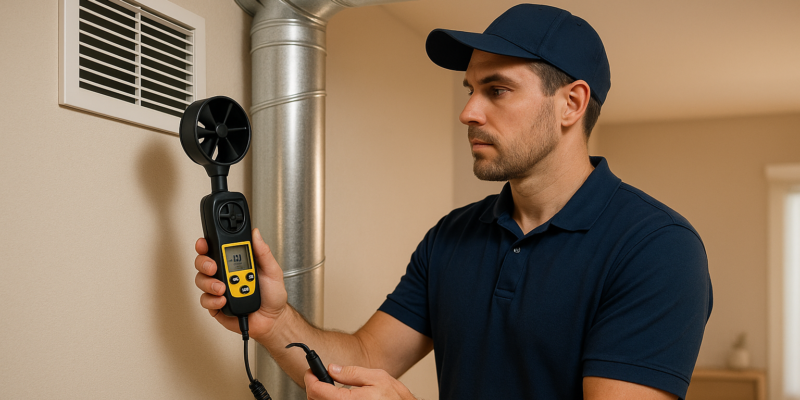
Uneven airflow in your home can make rooms uncomfortable, overwork your HVAC system, and increase energy bills. Here’s how you can address the problem:

  • Test airflow: Check vents and returns for blockages or weak airflow.
  • Adjust dampers: Fine-tune damper settings to balance air distribution.
  • Seal duct leaks: Inspect and seal gaps or disconnections in ductwork.
  • Check duct size: Ensure ducts are properly sized for your system.
  • Add booster fans: Improve airflow in hard-to-reach areas.

If DIY fixes don’t work or the issue persists, it’s best to call an HVAC professional for a thorough evaluation. Hydrodynamics Inc., for example, specializes in diagnosing and solving airflow problems to restore comfort and efficiency.

Finding the Source of Uneven Airflow

Signs of Airflow Problems

Uneven airflow often appears as temperature differences between rooms or weak output from vents. Start by checking for blockages in your vents and returns. To narrow down the issue, focus on these key areas:

Common Problem Spots

Problem Area Common Issues What to Check
Supply Vents Blocked dampers or obstructions Ensure vents are clear and properly adjusted
Return Vents Obstructions or wrong sizing Check for steady airflow and clear obstructions
Duct Connections Loose joints or disconnections Look for leaks and secure any loose fittings

Start your inspection here. Fixing problems in these areas is crucial to restoring balanced airflow throughout your home.

How to Balance a Forced Hot-Air System | This Old House

This Old House

Using Dampers to Fix Airflow

Duct dampers help regulate how air is distributed throughout your home. They come in different designs, and the best settings depend on how your system is set up. Standard settings often don’t work for every home, which is why fine-tuning may be necessary.

There’s no universal damper setting that works for all systems. Adjusting them properly is essential to ensure your home gets balanced airflow and stays comfortable.

If you’re unsure about making these adjustments yourself, an HVAC professional can evaluate your system and make the necessary changes to improve airflow. For expert help, consider reaching out to Hydrodynamics Inc., a reliable name in HVAC services.

Fixing Duct Leaks

Leaky ductwork can hurt your HVAC system’s efficiency, leading to uneven airflow and higher energy costs. Sealing these leaks ensures better air distribution and system performance.

Finding Duct Leaks

Start by visually inspecting accessible ducts. Pay close attention to:

  • Connection points: Where ducts connect to vents, registers, or the HVAC unit.
  • Seams and joints: Where duct sections meet.
  • Flexible duct connections: Where flexible ducts attach to rigid ones.

Turn on your HVAC fan and feel for escaping air around these areas. A smoke pencil can also help – watch how the smoke moves to pinpoint leaks. Once identified, you can seal these problem spots with the right materials.

Best Materials for Sealing

Choose materials specifically made for HVAC systems to ensure durability. Here are some common options:

Material Type Best Used For
Mastic Sealant Sealing larger gaps
UL-181 Foil Tape Fixing small holes
Butyl Tape Securing metal-to-metal joints

Important: Regular duct tape is not suitable for HVAC repairs as it breaks down quickly and isn’t approved for these applications.

Key Areas to Seal

Focus on sealing these areas for the best results:

  1. Supply plenum connections: Where air exits the HVAC unit.
  2. Return air connections: Where air is pulled back into the system.
  3. Branch duct takeoffs: Where smaller ducts split from main trunk lines.

Clean all surfaces before sealing to ensure proper adhesion, and apply the sealant evenly. For larger systems or areas that are hard to reach, consider hiring a professional. HVAC technicians have tools to detect hidden leaks and can ensure thorough repairs. If needed, experts like Hydrodynamics can help keep your system running efficiently.

Other Ways to Fix Poor Airflow

If you’ve already tackled dampers and sealed leaks but airflow still isn’t right, additional steps might be necessary.

Duct Size Problems

Incorrectly sized ductwork can lead to uneven airflow. Common signs include:

  • Whistling sounds coming from vents
  • High static pressure in the system

If your ductwork is too small or too large, it may need to be replaced. This is especially true if you’ve upgraded your system or made additions that don’t match the original duct sizes.

Adding Booster Fans

Booster fans can help improve airflow in areas where it’s weak or inconsistent, such as:

  • Rooms far from the main HVAC unit
  • Second-floor spaces
  • Finished basements

Here’s a quick guide to different types of booster fans:

Booster Fan Type Best Application Installation Location
In-line Duct Fan Long duct runs Inside the ductwork
Register Booster Single room fixes At the vent opening
Zone Booster Multiple room improvement Branch duct connection

If these solutions don’t resolve the problem, it’s time to bring in a professional.

Professional Help

When adjustments and basic fixes aren’t enough, it’s smart to call in HVAC professionals. You should consider expert help if:

  1. Multiple fixes have failed
  2. The system’s performance is getting worse
  3. Complex ductwork changes are required

Persistent airflow problems often require a thorough evaluation. Companies like Hydrodynamics offer certified technicians who specialize in diagnosing and solving these kinds of issues.

Conclusion

To tackle uneven airflow, take a step-by-step approach. Adjust damper settings, seal any leaks, and confirm that your ductwork is correctly sized to enhance your HVAC system’s performance and efficiency.

Routine maintenance can help you avoid:

  • Increased energy costs
  • Inconsistent temperatures in your home
  • Excessive wear on HVAC equipment
  • Expensive emergency repairs

By staying on top of maintenance, you reduce the risk of these problems and limit the need for major repairs. Aim to schedule professional HVAC maintenance at least once a year. During these checkups, technicians can spot potential problems early and handle important tasks like replacing air filters and inspecting vents to keep your system running smoothly.

If you’ve already tried DIY fixes – such as adjusting dampers or sealing leaks – but still experience airflow problems, it’s time to call in a professional. At Hydrodynamics, our certified technicians are ready to conduct thorough system evaluations and provide effective solutions to restore balanced airflow in your home.

FAQs

What are the signs of uneven airflow in my home, and how can I check for them?

Uneven airflow in your home can make some rooms feel too hot or too cold, even when your HVAC system is running. Common signs include noticeable temperature differences between rooms, weak airflow from certain vents, or higher energy bills due to your system working harder to maintain comfort.

To confirm uneven airflow, check each vent for consistent air pressure and temperature. You can use your hand to feel the airflow or a thermometer to measure temperature differences between rooms. If you notice significant discrepancies, it may indicate issues like blocked vents, duct leaks, or improper damper settings that need attention.

How can I tell if my ductwork is the wrong size for my HVAC system?

If your ductwork is the wrong size, you may notice uneven airflow, inconsistent temperatures, or higher energy bills. Oversized or undersized ducts can restrict airflow, causing your HVAC system to work harder than it should.

To determine if your ductwork is improperly sized, look for these signs:

  • Hot or cold spots in different areas of your home
  • Weak airflow from vents
  • Noisy operation when the HVAC system is running
  • Frequent cycling of the system

If you suspect your ductwork is the wrong size, a professional HVAC technician can perform an evaluation and recommend adjustments or replacements. Hydrodynamics Inc. specializes in diagnosing and resolving ductwork issues to ensure your system operates efficiently and effectively.

Should I try fixing uneven airflow in my ducts myself or hire a professional?

Deciding whether to tackle uneven airflow in your ducts yourself or hire a professional depends on the complexity of the issue. Simple adjustments, like opening or closing dampers, may be manageable for most homeowners. However, more involved problems, such as sealing duct leaks or addressing significant airflow imbalances, often require professional expertise.

Hiring a professional, like Hydrodynamics Inc., ensures the issue is diagnosed and resolved efficiently. Professionals have the tools and training to restore your system’s performance, saving you time and potentially avoiding costly mistakes.

Geothermal Heat Pump Electrical Issues: Common Fixes

Geothermal Heat Pump Electrical Issues: Common Fixes

Geothermal heat pumps rely on electrical systems to function effectively, but problems like frequent cycling, strange noises, or uneven heating can signal issues. Here’s how to address them:

  • Key Components to Monitor:
    • Control Board: Manages system operations; issues include sensor failures or programming errors.
    • Capacitors: Essential for motor function; look for weak starts or failures.
    • Wiring & Relays: Loose connections or damaged wires can cause erratic behavior.
    • Pump Motors: Problems like burned windings or vibrations can disrupt fluid circulation.
  • Common Signs of Trouble:
    • Tripped breakers, blown fuses, or voltage drops.
    • Clicking sounds, burning odors, or inconsistent operation.
    • Motor overheating, buzzing noises, or delayed starts.
  • Quick Fixes:
    • Tighten loose connections, replace blown fuses, or clean relay contacts.
    • Inspect wiring for damage and replace faulty capacitors.

Regular Maintenance Tips:

  • Monthly: Check for unusual sounds or performance drops.
  • Quarterly: Test safety switches and clear debris from vents.
  • Annually: Full system inspection and calibration.

For complex issues like motor replacements or persistent electrical failures, consult a certified HVAC technician. Hydrodynamics Inc. specializes in diagnosing and repairing geothermal systems to keep them running efficiently.

How to Troubleshoot a Run Capacitor on a Modine Geothermal Heat Pump

Modine

Main Electrical Parts

Understanding the main electrical components of your geothermal heat pump can help you spot potential issues early and keep the system running smoothly. These parts work together to ensure consistent performance.

Basic Component Guide

The control board acts as the system’s brain, coordinating sensors and managing operational timing.

Geothermal systems rely on two types of capacitors:

  • Start capacitors: Deliver the initial energy needed to start the motor.
  • Run capacitors: Maintain steady motor operation over time.

Key electrical components for the compressor include:

  • Contactor: Regulates power flow to the compressor.
  • Start relay: Oversees the startup process.
  • Overload protector: Shields the system from excessive current.

Circulation pump motors are made up of:

  • Motor windings
  • Terminal connections
  • Speed controllers
  • Thermal protection switches

The thermostat wiring system includes:

  • Low-voltage control circuits
  • Terminal connections
  • Safety switches
  • Zone control relays

Common Components and Issues

Component Primary Function Common Issues
Control Board Manages system operation Programming errors, sensor failures
Capacitors Powers the motor Weak starting power, complete failure
Compressor Electronics Directs power flow Worn contacts, relay malfunctions
Pump Motors Circulates system fluid Burned windings, bearing issues
Thermostat Wiring Regulates temperature Loose connections, wire damage

Regular inspections of these components are crucial for maintaining system efficiency. Professional technicians use specialized tools to test and repair these parts, so always rely on a qualified technician for electrical repairs. For expert service, reach out to Hydrodynamics Inc.

Up next: Learn how to recognize common warning signs.

Common Problems and Warning Signs

Spotting issues early can save you from expensive repairs and system breakdowns. Here are some key areas to keep an eye on.

Power Problems

Power-related issues can disrupt your system’s performance. Watch out for:

  • Tripped circuit breakers: Frequent trips might mean an overloaded circuit or a short.
  • Blown fuses: Repeated fuse failures often point to electrical issues.
  • Voltage fluctuations: If lights dim or the system loses power during operation, there may be a problem with the power supply.

Your geothermal system should use power consistently. Sudden changes in electrical behavior should be checked by a qualified technician.

Relay and Wiring Issues

Problems with relays and wiring can lead to inconsistent operation or even complete system failure. Here’s what to look for:

Warning Sign Likely Cause Impact
Clicking sounds Faulty relay contacts Irregular cycling of the system
Burning odors Damaged wire insulation Potential safety hazard, system shutdown
Erratic operation Loose connections Reduced efficiency, possible damage
Control board errors Corroded wiring System malfunction

Inspect wiring for discoloration, loose terminals, or corrosion – these are clear signs of trouble.

Motor and Pump Failures

Electrical issues with motors and pumps can lead to various warning signs. Pay attention to the following:

Blower Motor Problems:

  • Strange humming or buzzing noises
  • Motor feels hot to the touch
  • Delayed startup or failure to start
  • Uneven airflow

Circulation Pump Issues:

  • Noticeable vibrations during operation
  • Irregular cycling patterns
  • Reduced heating or cooling performance
  • Electrical overload warnings

If you spot any of these signs, get your system checked by a certified technician right away. Hydrodynamics Inc. offers expert diagnosis and repair for geothermal heat pump electrical problems, ensuring your system runs safely and effectively.

Even minor signs can indicate bigger issues. Professional evaluation is crucial.

Next, find out how to identify these problems using safety checks and testing equipment.

Problem Detection Steps

Identifying electrical problems in geothermal heat pumps requires careful safety measures and accurate diagnostics. Follow these steps to locate issues and determine the best course of action.

Safety and Visual Checks

  1. Power Disconnection
    Turn off the power at both the circuit breaker and the disconnect switch. Use a voltage tester to confirm the power is off.
  2. Visual Inspection
    Examine all accessible components for potential issues. Here’s what to check:
Component What to Look For Warning Signs
Wire Insulation Color and texture Browning or brittleness
Terminal Connections Tightness and corrosion Loose screws or green deposits
Relay Contacts Surface condition Black spots or pitting
Capacitors Physical appearance Swelling or oil leakage

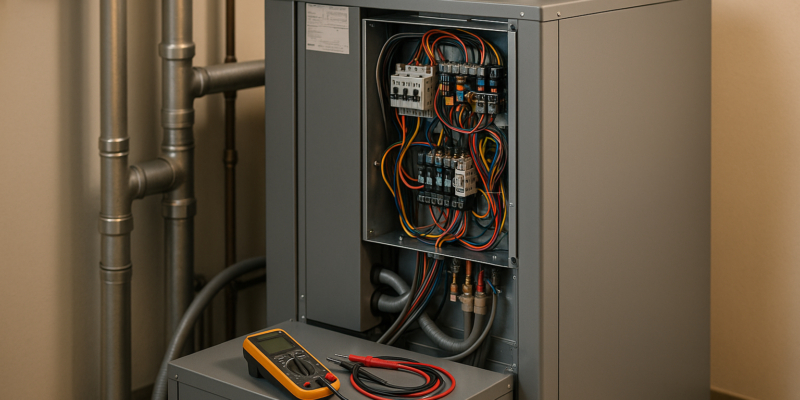
Using Test Equipment

Once you’ve completed the visual inspection, move on to testing the system using the right tools.

  • Voltage Testing:
    • Set your digital multimeter to the AC voltage range (usually 240V).
    • Test the incoming power at the disconnect switch.
    • Measure voltage at terminal connections.
  • Resistance Testing:
    • Switch the multimeter to ohms (Ω) to check wire continuity and connections.
    • Test motor windings for proper resistance levels.
    • Measure relay contact resistance to ensure functionality.

Component Reset and Replacement

Sometimes, a simple reset can resolve minor faults. After resetting, inspect all connections before turning the power back on.

If the reset doesn’t work or if you find damaged components (e.g., bulging or leaking capacitors), replacement may be necessary. For parts like relays or components with stored electrical charge, consider consulting a professional technician.

For expert diagnostics and repairs, reach out to Hydrodynamics Inc. Their certified technicians have the skills and tools to handle your geothermal heat pump system.

Fixes and Maintenance

Basic Repairs

Here are some key fixes to ensure your system runs smoothly:

Connection Tightening
Make sure all connections at terminal blocks, contactors, and breakers are secure. Loose connections can cause system malfunctions and safety risks.

Fuse Replacement
Replace any blown fuses with ones that match the original ratings exactly. Using the wrong type can lead to further issues.

Component Repair Task Tools Needed
Terminal Blocks Torque to specifications Calibrated torque screwdriver
Contactors Clean contact surfaces Contact cleaner, fine-grit sandpaper
Ground Connections Check and tighten Wire strippers, crimping tool
Control Board Inspect for damage Multimeter, thermal camera

Sticking to regular maintenance alongside these repairs can help prevent recurring problems.

Regular Upkeep

Keep your system in top shape by following these routine checks:

Monthly Checks

  • Monitor overall system performance and listen for unusual sounds.
  • Inspect circuit breakers for any signs of wear or damage.
  • Look over wiring for signs of fraying or deterioration.

Quarterly Maintenance

  • Test all safety switches and control mechanisms.
  • Clear out any dust or debris from electrical cabinet vents.
  • Measure and record operating temperatures.

Annual Service

  • Perform a full inspection of the electrical system.
  • Test all safety controls to ensure proper function.
  • Update maintenance logs with detailed records.
  • Calibrate thermostats and sensors for accuracy.

Professional Service Guide

Some issues require expert attention. Reach out to Hydrodynamics Inc. for assistance with:

  • Faulty circuit boards
  • Motor replacements
  • Persistent electrical odors
  • Frequent circuit breaker trips
  • Complicated control system problems

Hydrodynamics Inc. has over 29 years of experience in geothermal system repairs. Their certified technicians offer advanced diagnostic services, replacement of factory-authorized parts, system adjustments, safety checks, and performance verification.

To keep your system running efficiently and avoid costly breakdowns, schedule professional maintenance at least once a year. Regular checkups can catch potential problems early, saving you time and money in the long run.

Conclusion

The steps and tips shared above are essential for keeping geothermal heat pumps running smoothly. Addressing electrical issues requires a careful, safety-first approach. By understanding the main components, using the right testing tools, and sticking to a regular maintenance routine, you can stop small problems from turning into big ones.

While simple issues might be handled with a quick visual check or tightening loose connections, more advanced problems should always be left to certified HVAC technicians. These professionals bring the tools and expertise needed to accurately diagnose and fix complex faults in these systems.

Staying on top of scheduled maintenance helps your system last longer and run more efficiently. A thorough maintenance plan not only keeps your system in top shape but also lowers repair costs and ensures safe operation.

Because electrical work on geothermal systems can be tricky and requires strict safety measures, it’s always best to consult a certified HVAC professional if you’re unsure. Hydrodynamics Inc. provides skilled, certified technicians who are experts in diagnosing and fixing electrical issues in geothermal heat pumps, helping to keep your system reliable and efficient.

FAQs

What are the common electrical problems in geothermal heat pumps, and how can you spot them early?

Geothermal heat pumps can occasionally face electrical issues that impact their performance. Frequent problems include tripped circuit breakers, faulty capacitors, or loose wiring connections. These issues can cause the system to stop running or operate inefficiently.

To identify problems early, watch for signs like unusual noises, frequent system shutdowns, or inconsistent heating and cooling. Regular maintenance and inspections can help catch these issues before they lead to costly repairs. If you’re unsure, consider reaching out to a professional HVAC service like Hydrodynamics Inc. for expert diagnosis and repair.

How does regular maintenance help prevent electrical issues in geothermal heat pumps?

Regular maintenance plays a crucial role in preventing electrical problems in geothermal heat pumps. By scheduling routine inspections, technicians can identify and address potential issues like loose connections, faulty wiring, or worn-out components before they escalate into costly repairs.

Maintenance tasks such as cleaning electrical contacts, checking voltage levels, and ensuring proper system grounding help keep the heat pump operating efficiently and safely. This proactive approach not only extends the lifespan of your system but also reduces the risk of unexpected breakdowns and improves energy efficiency, saving you money on utility bills over time.

How do I know when to call a certified HVAC technician for electrical problems with my geothermal heat pump?

If your geothermal heat pump is experiencing persistent electrical problems, such as frequent tripped breakers, unusual noises, or inconsistent operation, it’s a good idea to call a certified HVAC technician. These issues can indicate underlying electrical faults that require professional expertise to diagnose and repair safely.

Additionally, if you notice burning smells, your system won’t start, or it shuts down unexpectedly, don’t attempt to fix it yourself. Electrical components in geothermal systems are complex and best handled by trained professionals to avoid further damage or safety risks.

How to Replace Lead Water Filters

How to Replace Lead Water Filters

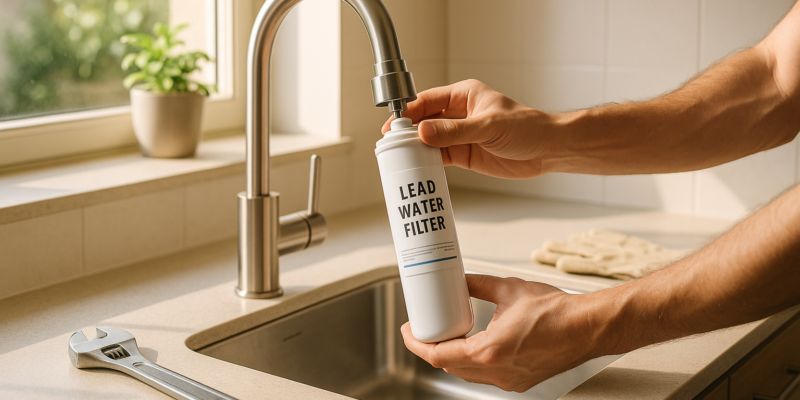
Replacing a lead water filter is essential to ensure your water is safe to drink and free from harmful contaminants like lead. Here’s a quick guide to help you get started:

  • Why Replace Filters? Over time, filters lose their effectiveness. Replacing them ensures your water stays clean and meets EPA safety standards for lead levels (below 0.015 mg/L).
  • When to Replace? Typically every 6–12 months, or sooner if water flow slows, taste changes, or the filter shows visible buildup.
  • What You’ll Need:
    • Tools: Adjustable wrench, filter housing wrench, plumber’s tape.
    • Safety Gear: Nitrile gloves, safety goggles.
    • Other Items: Replacement filter (NSF/ANSI 53-certified), cleaning supplies, and a bucket.
  • Steps to Replace:
    1. Shut off the water supply and release pressure.
    2. Remove the old filter using a wrench.
    3. Clean the filter housing thoroughly.
    4. Install the new filter, ensuring proper alignment and sealing.
    5. Test the system for leaks and flush with water for 5 minutes.

Pro Tip: Keep a log of replacement dates and test your water regularly to monitor filter performance.

If you encounter issues like damaged pipes or pressure problems, or if you have a complex system, consider hiring a professional like Hydrodynamics Inc. for assistance.

How To Change a Whole House Water Filter – Replace Water …

About Lead Water Filters

Lead water filters are designed to reduce lead levels in drinking water, helping to make it safer for household use. Here’s a closer look at how they work and what you need to know.

How Lead Filters Work

These filters rely on a multi-stage system that typically includes activated carbon and ion exchange resin. As water passes through, these materials trap and hold lead particles, effectively reducing the lead content in the water.

Meeting Safety Standards

To ensure effectiveness, filters should meet NSF/ANSI Standard 53. This certification guarantees that the filter can lower lead levels to below the EPA’s limit of 0.015 mg/L.

When to Replace Filters

Follow the replacement schedule provided by the manufacturer. Factors like heavy water usage, local water conditions, or noticeable changes in water pressure or taste can signal the need for a new filter.

Required Tools and Materials

To replace a lead water filter without interruptions, make sure you have everything ready. Here’s a breakdown of the tools and materials you’ll need.

Basic Tools

These are the essentials for a standard filter replacement:

  • NSF/ANSI 53-certified replacement filter: Ensure it matches your system.
  • Adjustable Wrench: A 12-inch or larger wrench to loosen the filter housing.
  • Safety Gear:
    • Heavy-duty nitrile gloves
    • Safety goggles with side protection
    • N95 dust mask (useful during cleanup)
  • Collection Items:
    • A 2-gallon bucket or basin
    • Clean towels or rags
    • Leak-proof disposal bag for used filters

Additional Tools

These extras can make the job easier and improve results:

  • Filter Housing Wrench: Designed specifically for your filter model.
  • Plumber’s Tape: Use 1/2-inch PTFE tape to seal connections properly.
  • Cleaning Supplies:
    • Food-grade silicone lubricant
    • A 50/50 white vinegar and water solution
    • Soft-bristled brush for scrubbing
  • Testing Materials:
    • Water pressure gauge
    • EPA-certified lead testing kit for post-replacement checks
  • Documentation Tools:
    • Filter replacement log to track changes
    • Permanent marker for labeling dates

Keep these tools organized in a maintenance kit for future use. Store cleaning supplies separately to prevent contamination. Before starting, inspect all tools for any signs of wear or damage.

Safety Steps

Stick to these safety measures to safeguard your health and minimize contamination risks.

Shutting Off Water

  • Find the main water shutoff valve in your home.
  • Turn the valve clockwise to stop the water flow.
  • Open a faucet to release any leftover water in the pipes.
  • Allow about two minutes for the system to fully depressurize.

Protective Gear

Use the right protective equipment to keep yourself safe:

  • Nitrile gloves (heavy-duty)
  • Safety goggles

Proper Filter Disposal

Dispose of used filters in line with local disposal rules. Not sure what to do? Reach out to Hydrodynamics Inc. for expert assistance.

Replacement Instructions

Now that you’ve taken the necessary safety measures, let’s go through the filter replacement process step by step.

Removing the Old Filter

Start by placing a bucket underneath to catch any leftover water. Use a filter wrench to unscrew the filter housing by turning it counterclockwise. If the housing feels stuck, avoid forcing it to prevent damage to the threads. Be cautious – the filter will be heavy due to trapped water, so hold it securely while removing it. If it remains stuck, contact a certified technician for assistance.

Cleaning the Housing

Check the housing for any damage, worn O-rings, mineral deposits, thread issues, or signs of corrosion.

Clean the inside of the housing with a soft cloth, focusing on the sealing areas. Avoid abrasive materials or harsh chemicals that could harm the components. Once cleaned and inspected, you’re ready to move on to installing the new filter.

Installing the New Filter

When setting up the new filter, follow these steps:

  • Ensure the replacement filter matches your system’s specifications.
  • Double-check that the O-rings are seated correctly.
  • Confirm the filter is positioned properly (look for “FLOW” arrows to guide you).
  • Hand-tighten the housing first, then use the filter wrench for final tightening. Be careful not to overtighten.

Testing the System

Once the new filter is installed, slowly turn the water back on at the main valve. Open the nearest faucet to release any trapped air and inspect the filter housing for leaks. Let cold water run for about 5 minutes to flush the system and confirm all connections are sealed properly. If you encounter any problems during installation or testing, reach out to Hydrodynamics Inc. Their certified technicians are ready to help ensure your lead water filter is installed and working correctly.

Filter Care and Longevity

Keeping your lead water filter in good condition is key to ensuring it works properly and keeps your household water safe.

Replacement Schedule

Replace your lead filter according to the manufacturer’s guidelines, usually every six months. This helps maintain its efficiency and extends its lifespan. Here are some signs it’s time for a replacement:

  • Slower water flow: Reduced water pressure might mean the filter is clogged.
  • Visible changes: Discoloration or debris buildup on the filter.
  • Timeframe: You’ve reached the replacement interval suggested by the manufacturer.
  • Water quality issues: Changes in taste, smell, or appearance of your water.

Maintenance Records

Keeping a record of your filter’s performance and maintenance is a simple way to stay on top of replacements. Here’s what to track:

Information to Record Why It Matters
Installation date Helps you know when the next replacement is due
Filter model number Ensures you buy the correct replacement parts
Replacement dates Keeps a history of your maintenance schedule
Water quality test results Tracks how well the filter is working
System pressure readings Can signal potential problems early

Water Testing

Regular water testing ensures your filter is effectively reducing lead and other contaminants. Companies like Hydrodynamics Inc. offer detailed water testing services that can:

  • Measure lead levels before and after filtration.
  • Detect other potential contaminants.
  • Confirm how well your filter is working.
  • Provide comprehensive water quality reports.

Professional Help

While many lead water filter replacements can be done on your own, certain situations require the expertise of a professional to ensure everything is done safely and effectively.

Common Problems

Below are some signs that it’s time to call in a professional:

Warning Sign What It Means Action Required
Pipe damage Cracks or corrosion near the filter housing Get a professional inspection ASAP
System pressure issues Pressure changes after replacing the filter Schedule professional pressure testing
Complex installations Systems with multiple filters or whole-house setups Hire an expert for proper installation
Water line concerns Problems with the main water line Have a professional assess the issue
Unusual water quality Quality problems persist after filter changes Arrange for comprehensive water testing

In these situations, professional help ensures your system operates as it should.

Hydrodynamics Inc. Support

Hydrodynamics Inc., a family-run business established in 1994, provides a full range of water filtration services for homes and businesses. Their team of certified technicians is equipped to handle installations, water quality testing, system maintenance, water line repairs, and even emergency services.

For more complex jobs, their Certified A.S.S.E Backflow Testing technicians can evaluate your system, perform water quality testing, install filters according to local regulations, check pressure and flow rates, and maintain detailed service records.

Professional installation is especially important for whole-house systems, commercial setups, or configurations involving multiple filters. Hydrodynamics Inc. ensures everything is done right the first time.

Summary

To ensure your drinking water stays safe, it’s crucial to maintain and replace your lead water filter regularly. This helps avoid contaminant buildup and keeps the filtration system working as it should.

Here are some key points to help with filter maintenance:

Aspect Key Points What to Do
Timing Filters lose effectiveness over time Replace according to the manufacturer’s timeline (usually every 6–12 months)
Safety Proper disposal and handling are important Wear protective gear and follow local disposal rules
Documentation Track your maintenance activities Log installation and replacement dates for easy reference
Professional Help Some systems may need expert care Hire certified technicians for complex or whole-house systems

FAQs

What are the signs that my lead water filter needs to be replaced earlier than expected?

If your lead water filter isn’t performing as expected, there are a few signs that it might need replacing sooner than the recommended schedule. These include:

  • Reduced water flow: If water pressure drops significantly, it could indicate the filter is clogged.
  • Unusual taste or odor: A metallic taste or unpleasant smell in your water might mean the filter is no longer effectively removing contaminants.
  • Cloudy or discolored water: This can be a sign that the filter is no longer functioning properly.

To ensure your water remains safe and clean, always follow the manufacturer’s guidelines for replacement and monitor for these signs regularly. If you’re unsure or need professional assistance, Hydrodynamics Inc. can help with expert water conditioning services tailored to your needs.

How do I choose a replacement filter that works with my water filtration system?

To ensure compatibility, check the model number or specifications of your current water filtration system. Most systems have this information printed on the unit or included in the user manual. Look for replacement filters specifically designed for your system’s brand and model. Be sure to match the filter type (e.g., sediment, carbon block) to your system’s requirements.

If you’re unsure, consult your system’s manufacturer or a professional service provider like Hydrodynamics Inc., who can guide you in selecting the right filter for your needs.

What should I do if my water quality doesn’t improve after replacing the lead water filter?

If your water quality remains poor even after replacing the lead water filter, it could point to a more complex issue in your water system. In such cases, it’s best to consult a professional to assess the problem and identify the root cause.

For expert assistance, consider reaching out to Hydrodynamics Inc., where professionals specialize in water conditioning services that can help resolve persistent water quality concerns effectively.

How to Choose Energy-Efficient Rooftop Units

How to Choose Energy-Efficient Rooftop Units

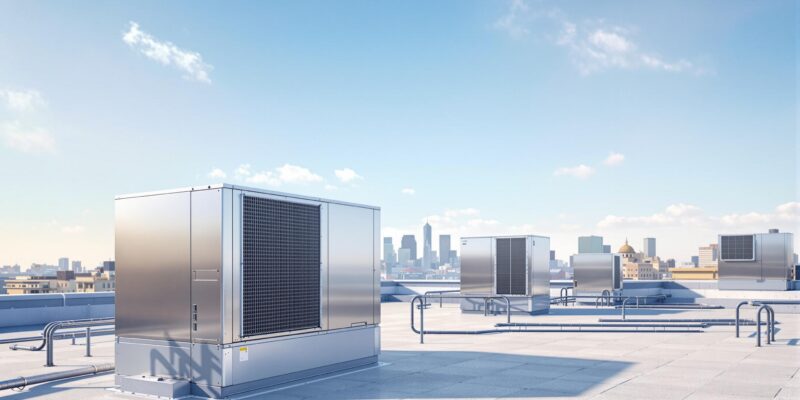
Want to save on energy bills and improve comfort in your commercial space? Choosing the right energy-efficient rooftop unit (RTU) is key. Here’s what you need to know:

  • Key Features: Look for variable-speed fans, smart controls, and multi-stage compressors to reduce energy use.
  • Efficiency Ratings: Check for SEER2, EER, and IEER values that exceed DOE standards. ENERGY STAR models are ideal.
  • Sizing Matters: Match the RTU size to your building’s square footage, insulation, and occupancy.
  • Maintenance: Regular filter changes, coil cleaning, and professional inspections can extend the RTU’s life (typically 15–20 years).

Pro Tip: Advanced RTUs with smart controls and energy recovery systems can further cut costs and improve performance. For expert advice, consult certified technicians.

Keep reading for a detailed breakdown of RTU components, efficiency metrics, and maintenance tips.

What Makes RTUs Energy-Efficient

RTU Basics and Components

RTUs (Rooftop Units) are designed with several components that help reduce energy consumption:

  • ECMs (Electronically Commutated Motors) use up to 20% less energy compared to traditional PSC motors.
  • Smart sensors and controls adjust airflow and temperature dynamically based on real-time conditions.
  • Advanced heat exchangers improve heat transfer efficiency by as much as 30%.

These systems are made up of outdoor components (like the compressor and condenser) and indoor modules (such as the evaporator and air handler).

Cost and Energy Benefits

By aligning capacity with actual demand, RTUs minimize unnecessary cycling, which helps reduce energy waste. Advanced controls can also lower peak demand charges. Operating with less stress means fewer service calls and longer equipment life. Other perks include more consistent temperatures, improved air quality with high-MERV filters and demand-controlled ventilation, and a reduced environmental impact.

These factors are essential when determining the right size for your RTU.

How to Select the Right RTU

Size and Load Requirements

To properly size your rooftop unit (RTU), calculate the cooling and heating loads based on key building factors:

  • Square footage: Total area of the space to be conditioned.
  • Building envelope: Consider insulation levels, window types, and air infiltration.
  • Peak occupancy: Account for the number of people typically present.
  • Heat-generating equipment: Include items like computers, machinery, and lighting.

Once you’ve determined the appropriate size, review efficiency metrics to ensure optimal performance.

Energy Ratings Guide

When comparing RTUs, pay attention to efficiency ratings like SEER2, Energy Efficiency Ratio (EER), and Integrated Energy Efficiency Ratio (IEER). Opt for models with the ENERGY STAR label, as they meet high-performance standards for energy savings.

Modern RTU Technology

Many of today’s RTUs come with advanced features designed to boost efficiency and performance, such as:

  • Variable-speed compressors for better temperature control.
  • Smart controls that allow remote monitoring and adjustments.
  • Energy recovery ventilators to reuse energy from exhaust air.
  • Fault detection systems to identify issues early.

For even greater efficiency, integrate your RTU with a building automation system (BAS). This setup can adjust setpoints based on occupancy, manage zones, track energy use in real time, and send maintenance reminders.

For expert sizing, installation, and servicing, collaborate with Hydrodynamics‘ certified technicians to keep your RTU running efficiently.

Energence® Rooftop Unit

Energence

RTU Care and Service Life

Once you’ve chosen the right RTU, keeping it in good shape requires regular maintenance.

Routine Maintenance Tips

To ensure your RTU runs efficiently, follow these maintenance steps:

  • Replace filters every 1–3 months to keep airflow steady.
  • Clean coils every quarter to maintain efficient heat transfer.
  • Schedule professional checks twice a year (spring and fall) to inspect thermostat calibration, compressor performance, controls, and ductwork.

A technician should handle the biannual inspections to ensure everything is functioning as it should.

Signs It’s Time to Replace Your RTU

Most RTUs have a lifespan of 15–20 years [1]. Consider replacing your unit if you notice:

  • Higher energy bills, even with regular maintenance.
  • Frequent breakdowns or increasing repair costs.
  • Uneven temperatures, strange noises, or longer run times.

Hydrodynamics offers professional advice, maintenance plans, and replacement services to help keep your system running smoothly.

[1] RAG doc2 – Typical RTU lifespan

Conclusion

By following these guidelines – focusing on proper sizing, efficiency ratings, and easy service access – you can boost your RTU’s performance while reducing costs.

Since 1994, Hydrodynamics Inc., a family-owned business, has been helping customers with expert advice and certified technicians. They assess your load requirements, recommend energy-efficient RTUs, and offer maintenance services to keep your equipment running longer.

Get in touch with Hydrodynamics today to choose, install, and maintain your energy-efficient rooftop unit.

HVAC Compliance for Commercial Buildings

HVAC Compliance for Commercial Buildings

Staying compliant with HVAC regulations is crucial for safety, efficiency, and avoiding penalties. Here’s a quick summary of what you need to know:

  • Key Compliance Areas:
    • Energy standards: Ensure systems meet efficiency benchmarks through audits and adjustments.
    • Air quality rules: Follow ASHRAE and EPA guidelines for ventilation and contaminant control.
    • Refrigerant management: Adhere to EPA Section 608 for refrigerant handling and disposal.
  • Federal Standards: Governed by ASHRAE, EPA, and OSHA, focusing on energy, air quality, and workplace safety.
  • Local Rules: Vary by state and often expand on federal guidelines. Stay updated on regional requirements.
  • Testing & Certification: Regular inspections, air quality testing, and system performance checks are essential.

To stay compliant, work with certified technicians, maintain proper documentation, and plan for upcoming changes like refrigerant phase-outs and stricter efficiency standards.

Understanding HVAC Regulations And New Energy Efficiency …

HVAC Regulations for Commercial Buildings

Commercial HVAC systems must meet a range of federal, state, and local regulations to ensure safety, maintain efficiency, and avoid legal penalties.

Federal HVAC Standards

Several federal agencies oversee HVAC compliance for commercial buildings:

  • ASHRAE (American Society of Heating, Refrigerating and Air-Conditioning Engineers): Sets guidelines for energy efficiency and indoor air quality.
  • EPA (Environmental Protection Agency): Regulates refrigerants and emissions to protect the environment.
  • OSHA (Occupational Safety and Health Administration): Focuses on workplace safety, including HVAC system standards.

Building Code Requirements

Local building codes often reference or expand upon these federal standards, and they can vary significantly by location.

Hydrodynamics assists clients in navigating these regulations, ensuring systems operate efficiently while meeting all necessary requirements. Key compliance areas include energy use, air quality, and refrigerant management.

Main Compliance Areas

Compliance with federal and local standards for commercial HVAC systems revolves around three key areas: energy, air quality, and refrigerants.

Energy Standards

Federal guidelines dictate how HVAC systems are designed, tested, and maintained to ensure energy efficiency. Regular audits and benchmarking help identify inefficiencies and areas for improvement. Hydrodynamics provides energy audits and system adjustments to help businesses meet these requirements and maintain optimal performance.

Air Quality Rules

Indoor air quality (IAQ) standards, such as those outlined by ASHRAE 62.1 and the EPA, address ventilation, humidity, and contaminant levels. Staying compliant involves routine inspections, filter replacements, and air quality testing. Hydrodynamics offers IAQ evaluations and maintenance services to help maintain a healthier indoor environment.

Refrigerant Rules

Under EPA Section 608, only certified technicians can handle refrigerants, including tasks like recovery, leak detection, and disposal. Hydrodynamics’ EPA-certified team follows strict protocols for refrigerant recovery, leak repairs, and record-keeping to ensure compliance and promote safety.

Testing and Certification

Testing and certification play a key role in ensuring commercial HVAC systems meet federal standards and operate effectively. These processes confirm compliance with energy, air quality, and refrigerant regulations before systems are formally evaluated.

System Checks

Routine inspections and maintenance are essential. Here’s what’s typically done:

  • Visual inspections of equipment and controls
  • Filter replacements, belt tightening, and securing electrical connections
  • Thermostat and sensor calibration for accurate readings
  • Documentation of inspection dates, performed actions, and results

Testing Methods

Certified technicians use established testing methods to assess systems based on energy efficiency and indoor air quality (IAQ) standards:

  • Air balancing to evaluate supply and return airflow, room pressures, and ventilation rates
  • Efficiency assessments to measure system performance (refer to Energy Standards for details)
  • Certification tests to ensure systems meet compliance benchmarks

It’s also important to stay informed about state and local testing regulations, as well as any upcoming changes.

Local Rules and Updates

HVAC compliance rules aren’t the same everywhere. Beyond federal guidelines, regional building codes and energy-office requirements play a big role. Staying informed about these local differences is crucial.

State Differences

Each state adjusts HVAC regulations based on its climate and energy goals. For example, states may have specific rules about equipment efficiency, ventilation standards, inspections, and reporting. Always check with your state’s building codes and energy offices to ensure compliance.

New Standards

Recent updates include higher minimum efficiency requirements, stricter indoor air quality (IAQ) checks, and the need for digital record-keeping along with performance monitoring systems. These changes aim to improve system reliability and environmental impact.

Upcoming Changes

Future regulations are set to phase out refrigerants with high global warming potential (GWP), promote the use of advanced building automation, and require continuous performance tracking for HVAC systems.

To prepare, keep an eye on regulatory updates, audit your current systems, and work with certified HVAC experts to ensure a smooth transition. For more guidance, check out our compliance checklist to make sure you’re covering all bases.

Summary

Staying compliant with commercial HVAC regulations requires meeting specific standards and conducting regular system inspections.

Compliance Checklist

Here are the main areas to focus on:

  • Equipment efficiency: Ensuring systems meet energy standards.
  • Indoor air quality: Adhering to air quality regulations.
  • Refrigerant management: Following rules for refrigerant use and disposal.
  • System performance: Regular testing and obtaining necessary certifications.
  • Safety protocols: Meeting building code requirements.
  • Documentation: Keeping records like technician credentials and inspection reports up to date.

Hydrodynamics Support

Hydrodynamics

Hydrodynamics provides services such as HVAC repair, replacement, maintenance, installations, and preventative care programs. Their technicians are certified in ASSE Backflow Testing, EPA 609, TracPipe, and GasTite, ensuring quality and compliance.

PEX vs. Copper: Leak Prevention Comparison

PEX vs. Copper: Leak Prevention Comparison

What’s better for preventing leaks: PEX or copper pipes?

Here’s the quick answer:

  • PEX pipes are flexible, resist freezing, and have fewer joints, which lowers the risk of leaks. But they’re prone to UV damage and require precise installation.
  • Copper pipes are durable, handle high pressure and temperatures, and resist bacterial growth. However, they can corrode in certain water conditions and are more likely to crack in freezing temperatures.

Quick Comparison:

Feature PEX Copper
Leak Prevention Fewer joints, corrosion-resistant Durable, antimicrobial, but more joints
Lifespan 30–50 years 50–70 years
Installation Faster, simpler, fewer tools Slower, requires soldering
Cost $4,000–$8,000 for a 2,000 sq. ft. home $8,000–$16,000 for a 2,000 sq. ft. home
Freeze Resistance Flexible, less likely to crack Rigid, higher freeze risk

Both options have pros and cons. PEX is affordable and quick to install, while copper is a long-term, recyclable option. Your choice depends on your budget, local water conditions, and durability needs.

PEX vs COPPER for Plumbing – Which Should You Use and …

PEX

How PEX and Copper Prevent Leaks

PEX and copper pipes each have unique characteristics that help reduce leaks. Here’s a closer look at how these materials work to keep your plumbing secure.

PEX Pipe Features

PEX pipes are flexible, which means fewer joints and weak spots in your plumbing system. They are also resistant to corrosion, making them a durable choice for many applications.

However, PEX has some drawbacks:

Limitation Impact on Leak Prevention
UV Sensitivity Prolonged exposure to sunlight can weaken the material.
Physical Damage Can be damaged by sharp objects or improper handling.
Connection Quality Requires precise installation to ensure fittings are secure.

Copper Pipe Features

Copper pipes are strong and durable, making them capable of handling high pressure and temperature changes. They also have natural antimicrobial properties, which help prevent bacterial growth and reduce the risk of corrosion.

Despite these advantages, copper has its own challenges:

Consideration Impact on Leak Prevention
Water Chemistry Certain water types can cause copper to corrode over time.
Freeze Risk Copper is more likely to crack in freezing temperatures.
Joint Requirements More connections are needed, increasing potential leak points.

Setup and Upkeep

When it comes to installation and maintenance, PEX and copper pipes have distinct requirements, each playing a key role in preventing leaks over time.

PEX Installation Steps

PEX installation is simpler and requires fewer tools compared to copper. Its manifold system, with fewer joints, minimizes potential leak points by centralizing distribution.

Installation Aspect Details Impact on Leak Prevention
Tool Requirements Crimping tool, pipe cutter, calibration tool Ensures secure connections via crimping
Connection Method Compression or expansion fittings Fewer joints reduce leak risks
Time Investment Faster than copper installation Lowers chances of installation mistakes
Space Requirements Flexible routing around obstacles Reduces strain on fittings and joints

To avoid leaks:

  • Keep to the recommended bend radius (usually 6–8 times the pipe diameter)
  • Use fittings approved by the manufacturer
  • Account for expansion and contraction
  • Shield pipes from UV exposure

On the other hand, copper installation follows a more detailed and skill-intensive process.

Copper Installation Steps

Installing copper pipes requires expertise, especially for soldering, which is critical for leak prevention.

Installation Aspect Details Impact on Leak Prevention
Tool Requirements Torch, flux, solder, pipe cutter, cleaning tools Proper soldering prevents joint failures
Connection Method Soldered joints or mechanical fittings Precision is key for each joint
Time Investment Slower, with curing time needed Ensures durable and reliable connections
Space Requirements Rigid routing with exact measurements Strategic joint placement reduces stress

Important maintenance steps for copper systems include:

  • Inspect soldered joints regularly
  • Watch for signs of corrosion
  • Test water pH levels periodically
  • Address issues like water hammer promptly

Both systems benefit from professional installation to maximize leak prevention. Next, we’ll explore how these installation differences affect durability and strength.

Life Expectancy and Strength

Durability plays a major role in preventing leaks. Let’s break down how PEX and copper hold up over time to help you make an informed choice.

PEX Lifespan

When installed correctly, PEX pipes can last between 30 and 50 years. Their flexible design helps absorb the impact of water hammer and freezing, which reduces the likelihood of leaks. Plus, the smooth interior resists scaling, keeping water flowing efficiently.

Here’s how PEX performs:

  • Temperature: Works well under typical household conditions.
  • Pressure: Handles standard residential water pressure without issues.
  • Chemical Resistance: Stands up to chlorine and acidic water.

Copper Lifespan

Copper pipes have an impressive lifespan of 50 to 70 years. Their rigid structure tolerates high pressure and temperature changes, making leaks less common. Additionally, copper’s natural resistance to corrosion contributes to its longevity.

Key copper traits include:

  • Temperature: Can handle both extreme heat and cold.
  • Pressure: Performs reliably under higher water pressures.
  • Corrosion Resistance: Minimizes the risk of leaks over time.

Both materials can be affected by water quality and environmental factors. If the water is particularly aggressive, additional protective measures might be needed. For personalized advice on choosing the right plumbing system and ensuring proper installation, consider reaching out to the experts at Hydrodynamics.

Next, we’ll look at the costs and resource demands of each option.

Price and Resource Use

Costs depend on materials, installation, and long-term resource consumption.

PEX Costs

PEX is a budget-friendly option for both materials and labor. PEX piping costs range from $0.50 to $2 per linear foot, and installing a PEX plumbing system in a typical 2,000‑square-foot home costs between $4,000 and $8,000, including materials and labor.

Here’s what impacts PEX costs:

  • Material Costs: PEX tubing is about one-third the cost of copper.
  • Installation Time: Installing PEX is 40–50% faster than copper.
  • Tool Costs: PEX tools run between $100 and $300 and can be reused.
  • Maintenance: Requires minimal upkeep over time.

While PEX is affordable, its recyclability is limited. When it reaches the end of its lifecycle, it often ends up in landfills, which may be a concern for some.

Copper Costs

Copper systems come with higher upfront expenses but are durable and recyclable. Installing copper plumbing in a 2,000‑square-foot home typically costs between $8,000 and $16,000.

Copper cost factors include:

  • Material Costs: Copper pipes cost $2.50 to $8 per linear foot.
  • Labor Costs: Professional plumbers charge $45 to $150 per hour for installation.
  • Joining Materials: Additional expenses for solder, flux, and fittings.
  • Tools: Standard plumbing tools, which most contractors already have.

Although the initial investment is higher, copper boasts a recyclability rate of over 90%. Scrap copper sells for $2 to $3 per pound, making it a more resource-conscious option.

For tailored advice on the best plumbing solution for your home, Hydrodynamics offers detailed estimates and recommendations based on your property and local water conditions.

Conclusion

PEX and copper pipes each bring their own strengths to leak prevention. PEX is a popular choice for residential projects due to its flexibility and affordability, while copper is often selected for its long-lasting performance in demanding environments. The right choice depends on your budget, the complexity of the installation, and specific application requirements.

Hydrodynamics’ certified technicians can evaluate factors like water quality, pressure, and local regulations to ensure your plumbing system is installed correctly. Whether you’re starting a new project or upgrading an existing system, they offer services for residential, commercial, and industrial needs.

Reach out to Hydrodynamics for expert advice and support.

10 Tips To Extend HVAC System Lifespan

10 Tips To Extend HVAC System Lifespan

Your HVAC system is a big investment, and taking care of it can save you money, improve home comfort, and avoid costly repairs. Here’s how to make it last longer:

  • Schedule Regular Maintenance: Book professional checkups twice a year – spring for cooling, fall for heating.
  • Replace Air Filters: Change filters regularly to maintain airflow and prevent system strain.
  • Clean Air Ducts: Keep ducts free from dust and debris to improve efficiency.
  • Use a Smart Thermostat: Automate temperature control to reduce wear and lower energy use.
  • Clear Outdoor Units: Remove debris and keep at least 2 feet of space around the unit.
  • Seal Duct Leaks: Prevent air loss by sealing and insulating ductwork.
  • Check Home Insulation: Improve insulation in attics, walls, and basements to ease system workload.
  • Set Fan to “Auto”: Avoid running the fan continuously to reduce motor wear.
  • Fix Issues Quickly: Address small problems early to prevent costly breakdowns.
  • Work with Professionals: Partner with certified technicians for expert care and repairs.

These simple steps can extend your HVAC system’s lifespan, improve efficiency, and save you money over time.

How Do I Prolong the Life of My HVAC System? | Western …

1. Book Regular Maintenance Checks

Scheduling regular HVAC maintenance helps keep your system running smoothly and avoids expensive repairs. Aim to schedule these checks twice a year – once in early spring for cooling and again in early fall for heating. This timing ensures that any potential problems are addressed before peak usage.

During these visits, certified technicians handle key tasks, such as:

  • Testing system performance to ensure efficiency
  • Inspecting electrical connections for wear and tear
  • Calibrating the thermostat for accurate operation
  • Cleaning components to remove dust buildup

Keeping up with maintenance not only extends the life of your HVAC system but also ensures it operates efficiently. Hydrodynamics Inc. offers comprehensive maintenance programs, including detailed inspections of every component. Schedule your spring and fall maintenance today to stay ahead of potential issues.

2. Change Air Filters on Schedule

Replacing your air filters regularly is key to keeping your HVAC system running smoothly and lasting longer. Clean filters prevent dust and debris from clogging important components, reduce strain on the system, and maintain proper airflow. The first step is figuring out how often to change them based on your household’s needs.

The replacement schedule depends on factors like indoor air quality. For example:

  • A single-person household might need a change every few months.
  • Homes with pets or high activity levels may require monthly replacements.
  • Vacation homes typically need less frequent changes.

Choose filters with the right MERV rating for your system. Filters rated between 8 and 13 work well for most residential setups, offering good filtration without restricting airflow too much. However, using filters with higher ratings can strain your system if it’s not designed for them.

To stay on track, mark your calendar for filter changes, check them periodically, and keep extras on hand. Always follow the directional arrows when installing new filters.

A clogged filter makes your HVAC system work harder, which can lead to higher energy bills and potential damage. If you’re not sure which filter or schedule is best for your setup, Hydrodynamics Inc. can help with tailored advice based on your system and usage.

3. Keep Air Ducts Clean

Dust and debris in your air ducts can block airflow, making your system work harder and lowering its efficiency. Look out for signs like dust buildup around vents, inconsistent temperatures between rooms, or musty smells – these often indicate it’s time for a professional cleaning.

Here are some signs your ducts might need attention:

  • Dust collecting around air vents
  • Uneven heating or cooling across rooms
  • Musty smells coming from the vents

DIY cleaning usually isn’t enough to tackle the hidden buildup inside ducts. Professional services, like those offered by Hydrodynamics Inc., use specialized tools to thoroughly clean your air ducts without causing damage.

If you notice any of these issues, don’t wait – schedule a professional duct cleaning to keep your system running smoothly.

4. Use a Smart Thermostat

A smart thermostat helps lower energy bills and reduces wear on your HVAC system by maintaining steady temperature control and limiting unnecessary use.

Here’s what makes it effective:

  • Automated scheduling: Keeps your system running smoothly without constant manual adjustments.
  • Learning capabilities: Adjusts to your daily habits, cutting down on frequent on/off cycling.
  • Remote control: Lets you avoid extreme, sudden temperature changes from anywhere.

By preventing short cycling – when your system turns on and off too often – a smart thermostat supports longer, more efficient operating cycles.

For the best results, adjust temperatures gradually following the manufacturer’s instructions. It’s also a good idea to have a professional handle the installation and calibration to ensure everything is set up correctly.

Adding a smart thermostat is a simple way to enhance your system’s performance while pairing well with regular maintenance.

5. Keep Outdoor Units Clear

Make sure your outdoor HVAC unit has proper airflow. When debris builds up, it forces the system to work harder, which can lead to more wear and tear and a shorter lifespan.

Maintain at least 2 feet of space around all sides of the unit. Regularly take these steps to keep the area clear:

  • Remove grass clippings, leaves, and twigs from around the unit
  • Trim back shrubs and plants nearby
  • Clear snow and ice during winter
  • Keep storage items away from the unit

Check the top of the unit for debris, especially after storms. Leaves and other materials can fall through the grille and block internal parts. You can gently clean the exterior, but avoid using pressure washers – they can damage the delicate fins.

Using a protective cover in the fall can help keep leaves out, but be sure to remove it before using the system.

Inspect the base of the unit to ensure it’s level and stable. An uneven foundation can cause vibrations that wear down components faster. If the concrete pad is settling or cracking, have a professional check it out.

For best results, schedule professional cleaning of the condenser coils at least once a year. This removes dirt and grime that regular maintenance can’t handle, improving heat transfer and system efficiency. Stick to these steps, and your unit will run smoothly until its next professional inspection.

Leave internal cleaning and repairs to the experts.

6. Fix Duct Leaks and Add Insulation

Sealing and insulating your ducts is key to keeping your HVAC system running efficiently and lasting longer. When air leaks out or insulation is lacking, your system has to work harder, which can wear it out faster.

Check your ductwork by looking at accessible areas like attics, basements, and crawl spaces. Look for gaps or disconnects where air might escape. If you spot leaks, use duct-specific sealing products to close them up. Adding insulation to the ducts helps keep air at the right temperature, reducing energy waste and improving system performance.

Taking these steps can help your HVAC system run more efficiently and last longer.

7. Check Home Insulation

Your home’s insulation plays a big role in how efficiently your HVAC system runs and how long it lasts. If your insulation isn’t up to par, your system has to work overtime, leading to quicker wear and tear.

Here are the key areas to focus on:

  • Attic: Proper insulation helps reduce heat loss.
  • Exterior Walls: Good insulation keeps indoor temperatures steady.
  • Basement/Crawl Space: Insulation here helps maintain consistent temperatures throughout your home.

Signs of poor insulation include uneven room temperatures, drafts, or rising energy bills. By improving your home’s insulation, you can ease the burden on your HVAC system and make sure all your maintenance efforts pay off.

8. Set Fan to “Auto” Mode

The fan setting on your HVAC system might seem like a small detail, but it has a big impact on energy use and system durability. Most systems give you two options: “On” and “Auto.” Choosing “Auto” means the fan runs only when heating or cooling is needed, while “On” keeps it running non-stop. Using the right setting can reduce wear and help your system last longer.

Here’s a quick breakdown of the differences:

Feature “Auto” Mode “On” Mode
Operating Time Runs only during heating/cooling cycles Runs continuously
Energy Usage Lower energy use Higher energy use
Motor Wear Less strain on the motor More wear on the motor
Filter Life Lasts longer, slower dust buildup Shortens due to constant airflow

Switching your fan to “Auto” can help you save energy, reduce strain on your system, and extend filter life. If you’re unsure about your settings, ask a professional to check them during your next service visit.

9. Fix Small Problems Quickly

Small HVAC issues can snowball into expensive repairs if ignored. Catching problems early and addressing them right away can save you from bigger headaches. Here are some common warning signs to watch for:

Warning Sign Possible Issue What Could Happen
Unusual noises Loose parts or failing components Total component failure
Weak airflow Blocked ducts or blower issues System strain and eventual breakdown
Short cycling Thermostat or sizing problems Higher energy bills and wear
Strange odors Mold or burnt wiring Health risks or potential fire
Inconsistent temperatures Failing parts or duct problems Reduced comfort and efficiency

Ignoring these signs makes your HVAC system work harder than it should, which speeds up wear and increases repair costs. Acting quickly when you notice changes in performance can prevent small problems from spiraling into major issues.

Calling a professional at the first sign of trouble not only helps avoid costly repairs but also keeps your system running efficiently for longer. Regular maintenance is key to ensuring your HVAC system stays in top shape.

10. Work with Hydrodynamics Inc.

Extend the life of your HVAC system by teaming up with seasoned professionals. Hydrodynamics Inc. specializes in HVAC maintenance and repair services designed to keep your equipment running smoothly and efficiently. Their proactive care approach aligns perfectly with the maintenance tips mentioned earlier.

Their certified technicians provide:

Service Type Benefits for Your System
Preventative Maintenance Identifies issues early, avoiding costly breakdowns
System Repairs Uses high-quality parts for durable fixes
Performance Optimization Fine-tunes systems to improve efficiency and reduce strain
Ductwork Service Cleans and seals ducts to enhance airflow and minimize wear
Energy Efficiency Updates Implements updates to lower stress and operating costs

Hydrodynamics Inc. employs EPA 609 Certified Technicians, ensuring they meet the highest industry standards. Their services include detailed inspections, expert cleaning, and precise adjustments to keep your HVAC system in top condition.

“Prompt, knowledgeable, and efficient”, says Emma K. from Drums, PA, praising the exceptional service that helps HVAC systems perform at their best.

They also handle a wide range of systems, including:

  • Central air conditioning systems
  • Heat pumps
  • Ductless mini-split systems
  • Industrial heating equipment
  • Rooftop HVAC units

Conclusion

The tips shared here can help keep your HVAC system running smoothly and dependably. Regular upkeep and thoughtful usage not only improve performance but also help avoid expensive replacements.

Simple actions like changing filters and clearing debris around outdoor units can stop small problems from turning into major headaches. Regular checkups, using smart thermostat settings, and addressing minor issues quickly are key to maintaining your system’s efficiency over the years.

Taking these steps ensures your HVAC system stays in great shape and protects your investment.