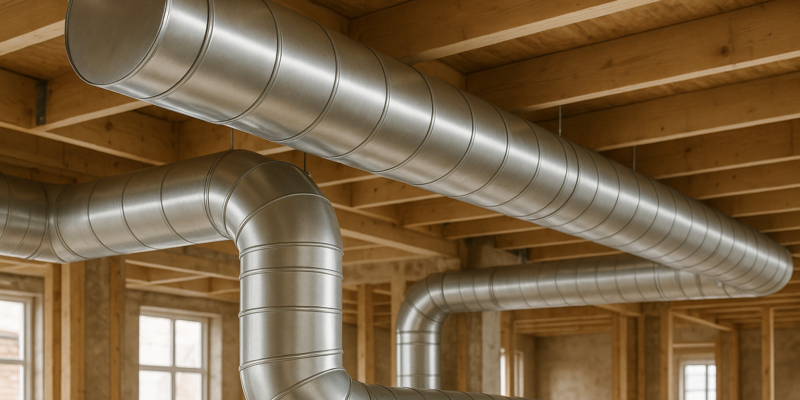
How to Ensure Ductwork Meets Retrofit Standards

How to Ensure Ductwork Meets Retrofit Standards

Poor ductwork can waste up to 30% of your HVAC energy. This drives up bills and reduces comfort. To fix this, retrofitting ductwork to meet standards ensures safety, efficiency, and code compliance. Here’s what matters most:

Hiring licensed HVAC professionals ensures everything is done correctly and legally. Skipping these steps risks higher costs, failed inspections, and safety hazards.

Duct Sealing, Leakage Testing, and Ventilation – Code Requirements are Changing

Understanding U.S. Ductwork Retrofit Standards

Navigating U.S. ductwork retrofit standards involves understanding how federal guidelines interact with local regulations to create a unified framework for HVAC installations and upgrades. These standards dictate everything from material selection to testing protocols and climate-specific methods for retrofitting. Below, we break down the key federal codes shaping these requirements.

Main U.S. Code Requirements

Two major federal standards govern ductwork retrofits nationwide: the International Mechanical Code (IMC) and ASHRAE Standard 90.1. The IMC addresses mechanical systems, including ventilation, duct design, and combustion safety, and is widely adopted across the U.S. for both new construction and retrofits. Meanwhile, ASHRAE Standard 90.1 focuses on energy efficiency in commercial buildings. It outlines minimum insulation R-values and maximum allowable duct leakage rates, ensuring energy conservation. By 2026, the Department of Energy mandates that state building codes align with or surpass the ASHRAE 90.1-2022 requirements.

Both standards require ducts located outside conditioned spaces to have insulation rated at least R-8. Additionally, air leakage must stay below 10% of the air handler’s flow, though best practices aim for leakage as low as 5%. Regarding materials, standard cloth tapes are discouraged due to durability issues. Instead, approved sealing materials include mastic, UL 181A or 181B tape, and aerosol-based sealants.

Climate Zone Requirements

Ductwork retrofit standards vary significantly depending on the climate zone, as temperature extremes and humidity levels directly impact insulation and sealing needs. For example, colder regions like Chicago require higher insulation values and tighter seals to minimize heat loss during harsh winters. On the other hand, warmer areas such as Orlando prioritize reducing cooling losses and preventing moisture infiltration. In these hot, humid climates, vapor barriers and sealing materials capable of withstanding high temperatures and humidity are essential.

Local regulations often specify different R-values or sealing standards based on regional climate data. Consulting local building departments before starting a project is crucial, as what works in one area may not comply with codes in another. This understanding helps avoid costly compliance issues.

Required Documentation and Permits

Documentation and permits are critical for ensuring code-compliant ductwork retrofits. Most projects begin with obtaining local HVAC/mechanical permits, and additional permits may be needed depending on the scope of work. For example, when upgrades involve control systems, new thermostats, or electrical connections, electrical permits are required to meet safety standards and ensure proper integration with existing systems.

Thorough documentation is equally important. Inspection reports should detail the work performed, materials used, and verification steps. Duct leakage test results are essential to confirm that air sealing meets code requirements, typically showing leakage rates below the 10% threshold. For commercial projects, additional documentation – such as commissioning reports and third-party verification records – may be required, especially for healthcare facilities or LEED-certified buildings. A 2025 publication by Hydrodynamics Inc. emphasized that third-party certification is vital for verifying energy efficiency and safety compliance.

Final inspections by local or state officials are standard for most projects, and some may also require commissioning by certified engineers. For example, a 2005 retrofit project in Concord, California, successfully reduced duct leakage from 12% to below 10% of air handler flow.

Permit requirements can vary widely by location. Some jurisdictions streamline processes for minor repairs, while others demand full engineering reviews for any ductwork changes. Consulting local building departments ahead of time ensures smooth inspections and prevents delays.

Pre-Retrofit Assessment Steps

A solid pre-retrofit assessment sets the stage for identifying existing problems, evaluating system performance, and gathering the data needed for upgrades that meet code requirements. Let’s dive into the tools, calculations, and documentation techniques that are key to this process.

Inspection Tools and Equipment

The right tools make all the difference when evaluating ductwork. For example, duct blasters pressurize or depressurize ducts to measure air leakage through joints and gaps. Infrared cameras are excellent for spotting temperature differences, revealing insulation gaps, air leaks, or areas where conditioned air escapes into unconditioned spaces like attics or crawlspaces. Airflow meters measure the volume of air moving through supply and return ducts, which helps confirm whether each room is receiving the airflow it needs and highlights ducts that are improperly sized. Additional tools such as smoke pencils, pressure gauges, and digital manometers can further pinpoint leaks and measure pressure differences.

Load Calculations and Duct Sizing

Accurate load calculations and proper duct sizing ensure the retrofit system meets the building’s requirements. Using ACCA Manual J, you can calculate heating and cooling loads based on factors like building size, insulation levels, window types, and local climate. These calculations determine the exact capacity needed and account for any upgrades made to the building over time. For ductwork, Manual D offers guidance on design and sizing to ensure ducts deliver the right amount of conditioned air without causing noise or pressure issues. Together, these methods prevent energy waste, improve comfort, and ensure compliance with building codes, forming the foundation for effective retrofit solutions.

Recording Inspection Results

Thorough documentation is essential for meeting code requirements and securing permits. Use standardized forms or digital tools to log all measurements, observations, and diagnostic test results. Include details like the date, location, tools used, and findings. Photos are especially valuable for capturing existing conditions – damaged duct sections, poor connections, or insufficient insulation – which help define the scope of work and may support insurance or warranty claims.

Key measurements to document include duct leakage tests, airflow data, and insulation R-values. Most retrofit standards require duct leakage to be less than 10% of the air handler’s flow, with best practices aiming for 5% or less. Record airflow readings for each supply and return register, along with static pressure measurements, to confirm that the retrofit has improved system performance. Insulation R-values are crucial for ducts located outside conditioned spaces, where codes often require an R-value of 8.

Maintaining detailed and accurate records is critical, as this documentation becomes part of the official project file reviewed during final approval. It also demonstrates quality workmanship and supports warranty claims or future maintenance. For projects requiring third-party certification, these records are indispensable for verifying that the retrofit meets energy efficiency and safety standards. This thorough documentation lays the groundwork for the retrofit strategies covered in the next section.

Ductwork Retrofit Process

Using the insights from your pre-retrofit assessment, you can now dive into transforming your ductwork. The process involves sealing leaks, adding insulation, and testing the system to ensure it meets code requirements and operates efficiently.

Duct Sealing Methods

To seal ducts effectively, use mastic sealant for a strong, flexible bond. Apply it evenly across all joints and seams, ensuring complete coverage of each connection.

For metal or flexible ducts, UL 181A/B foil tape works well – make sure to press it down firmly and avoid bubbles for a secure seal. For areas that are hard to reach, aerosol-based sealants can be applied from the inside to address leaks.

Before sealing, inspect all joints for leaks and clean them thoroughly. Follow the sealant manufacturer’s instructions, particularly at connections and register boots. Allow the sealant to cure fully before operating the system.

Duct Insulation Requirements

Ducts located in unconditioned spaces like attics, crawlspaces, or garages should be insulated to at least an R-8 value. This can cut energy loss by as much as 30%.

Wrap the insulation snugly around the ducts, ensuring there are no gaps or compression. Use tape or mastic to seal all seams securely. Be mindful of common mistakes, such as leaving gaps at connections, skipping short duct runs, or compressing the insulation when using straps or ties. These errors can reduce performance and may cause condensation issues in humid climates.

When insulating flexible ducts, take extra care to maintain their shape. Avoid kinks or bends that restrict airflow. If relocating ducts to conditioned spaces isn’t an option, consider using insulation with higher R-values for added energy savings. Proper insulation not only meets code requirements but also helps your HVAC system maintain efficiency by minimizing the temperature difference between the conditioned air and the surrounding environment.

System Testing and Commissioning

Once the retrofit is complete, test the system to ensure everything is functioning properly. Start by balancing airflow through dampers and registers, and look for areas that may need additional sealing or duct adjustments.

Use a duct blower test to measure leakage, aiming to keep it under 10% of the air handler’s airflow. Document these results for reference.

If the home has gas appliances, perform combustion safety checks to prevent backdrafting. Confirm system performance by measuring airflow, static pressure, and temperature consistency. These steps ensure your retrofit meets both regulatory standards and performance goals.

In one California project, sealing ducts to reduce leakage below 10% and insulating to an R-8 value led to noticeable improvements in comfort – especially in rooms that were previously under-conditioned. Energy bills dropped, and the system operated more efficiently. However, improper installation of flexible ducts, such as excessive bends and poor layout, increased airflow resistance, underscoring the importance of following best practices during retrofits.

Finally, keep thorough documentation of all test results. This record is essential for permit approvals, utility rebate applications, and any potential warranty claims in the future. Proper documentation ensures your retrofit work is both accountable and verifiable.

Testing and Compliance Verification

Once a ductwork retrofit is completed, testing the system is essential to confirm performance and ensure compliance with energy codes. This step guarantees both energy efficiency and consistent indoor comfort.

Air Leakage Testing Procedures

The go-to method for measuring air leakage in retrofitted ductwork is duct blaster testing. This technique uses a calibrated fan to pressurize the duct system, allowing technicians to identify and measure air escaping through leaks.

To start, all supply and return registers are sealed using temporary covers or plastic sheeting. The duct blaster fan is then attached – usually through the air handler or a large return duct – and the system is pressurized to 25 Pascals. Technicians measure the airflow needed to maintain this pressure, which reveals the extent of leakage.

For a system to pass, leakage must be under 10% of the air handler’s capacity. For example, if the air handler delivers 2,000 cubic feet per minute (CFM), leakage should not exceed 200 CFM at 25 Pascals.

Essential tools for this test include a duct blaster, digital pressure gauges, and temporary sealants for securing registers. It’s crucial to ensure all registers remain sealed during the process.

“In one California retrofit project, initial testing showed duct leakage rates of 12% for supply ducts and 33% for return ducts. After sealing with mastic and UL 181A/B tape, post-retrofit testing confirmed leakage had dropped below the 10% threshold, meeting EPA Energy Star program standards”.

Once leakage is under control, the next step is to evaluate the overall performance of the system.

System Performance Testing

Performance testing goes beyond checking for leaks, focusing on how effectively the retrofitted system delivers conditioned air throughout the home. This includes assessing airflow rates, temperature differences, and pressure balance.

Technicians measure airflow at each supply and return register using calibrated tools, recording results in cubic feet per minute (CFM). They also monitor the temperature difference between supply and return air – measured in degrees Fahrenheit – to ensure the system is heating or cooling as expected.

Pressure balance testing is another key step. It ensures air is evenly distributed, preventing negative pressure that could pull in unconditioned air and lead to comfort issues. If problems like weak airflow, excessive noise, or uneven temperatures arise, adjustments to dampers or ducts may be necessary.

Documentation and Record Keeping

After testing, thorough documentation is critical. This not only proves compliance with codes but also serves as a valuable resource for future maintenance.

Key records include test results, inspection reports, and commissioning certificates. Make sure to label documents with details like test date, location, technician name, and specifics about the retrofit. Digital backups with clear file names (e.g., “Air Leakage Test – 11/12/2025”) are advisable, and records should be kept for at least seven years.

Typical documentation includes before-and-after test results showing leakage rates, airflow measurements, temperature differential readings, and photos of sealing and insulation work. These records are often reviewed by local inspectors, code officials, or third-party commissioning agents, particularly for commercial projects or LEED-certified buildings.

Third-party certification can enhance the credibility of your documentation. As noted by industry experts in October 2025, “third-party certification for retrofitted HVAC systems ensures upgrades meet energy efficiency and safety standards, providing essential documentation for compliance verification”.

Additionally, retain copies of permits, material specifications, and utility rebate applications. Comprehensive records not only safeguard you against potential legal or financial risks but also ensure the retrofit achieves its intended goals. Poor or incomplete documentation could lead to failed inspections, fines, or costly rework.

Organized records also benefit HVAC technicians by offering a clear history of the system’s performance and configuration, simplifying routine maintenance and troubleshooting.

Working with HVAC Professionals

Getting ductwork up to retrofit standards isn’t just about following instructions – it requires precision, expertise, and a solid understanding of current codes. While some homeowners might toy with the idea of handling retrofits on their own, the reality is that today’s standards are far too complex for a DIY approach. That’s where licensed HVAC contractors come in. They bring the know-how and tools needed to ensure retrofits are not only successful but also meet all necessary codes. Let’s explore why professional contractors are essential for achieving compliance.

When Professional Help Is Essential

There are specific situations where relying on professional HVAC contractors isn’t just a good idea – it’s non-negotiable. For instance, large-scale commercial and industrial projects often involve sprawling duct systems, multiple zones, and intricate equipment setups. These projects require professionals who are well-versed in standards like ASHRAE 90.1 and the International Mechanical Code. They also need to handle specialized testing and commissioning, which demand calibrated tools and certified skills.

Another scenario where professionals shine is when projects need to minimize downtime. In commercial or industrial settings, where shutting down operations for extended periods isn’t an option, experienced contractors can schedule work in phases, set up temporary systems, and ensure safety protocols are in place – all while keeping things running smoothly.

For homeowners, attempting a DIY retrofit can lead to energy losses of up to 30% and might even void equipment warranties. On the other hand, professional contractors can help cut energy costs by up to 20% and deliver systems that are both reliable and efficient over the long haul. If you’re wondering how to tackle these challenges, keep reading to see how Hydrodynamics Inc. can be your trusted partner for retrofit projects.

Hydrodynamics Inc. Retrofit Services

Hydrodynamics Inc

For decades, Hydrodynamics Inc. has been a trusted name in HVAC retrofit services across Pennsylvania. Their team includes certified technicians with specialized credentials, such as EPA 609 and A.S.S.E Backflow Testing certifications, ensuring every project meets the highest industry standards.

Their retrofit process is thorough and leaves no detail unchecked. It starts with a comprehensive system assessment, where certified technicians evaluate existing ductwork to identify problem areas. They also conduct load calculations and design systems tailored to meet the specific needs of the building and its climate zone.

Once the design phase is complete, Hydrodynamics Inc. takes care of system testing and commissioning. Using calibrated instruments, they verify system performance and document compliance with energy and safety standards.

“Third-party certification ensures your retrofitted system meets energy efficiency, safety, and…” – Hydrodynamics Inc.

What truly makes Hydrodynamics Inc. stand out is their versatility. Whether it’s a small residential project or a large-scale commercial or industrial retrofit, they approach each job with the same level of expertise and attention to code compliance. The complexity may vary, but their commitment to quality never wavers.

Their dedication is reflected in glowing customer reviews. Emma K. from Drums, PA, shared, “It was a good choice. They were prompt and knowledgeable and efficient. Very pleased with their work”.

Hydrodynamics Inc. doesn’t just stop at completing the retrofit. They also offer ongoing maintenance plans, which include regular inspections and performance testing. This ensures clients can maintain the benefits of their retrofit investment while staying compliant with codes over time.

Conclusion: Meeting Standards and Improving Efficiency

Achieving retrofit standards isn’t just about meeting regulations – it’s about delivering real energy savings and ensuring long-term performance. To get there, you need careful planning, precise execution, and thorough testing at every stage.

Execution requires attention to detail. For example, duct sealing should limit leakage to less than 10% of the air handler’s flow, and ducts outside conditioned spaces need insulation rated at least R-8. Choosing the right materials is critical too. Mastics and aerosols create durable seals that last, unlike standard cloth tapes, which fail over time.

Testing and verification are where the results come to light. Air leakage tests confirm your sealing efforts are effective, while performance testing ensures proper airflow and temperature distribution throughout the system. A California retrofit project highlights this process: contractors reduced duct leakage to under 10%, insulated attic ducts to R-8, and corrected refrigerant charge. The result? Better comfort and less energy waste.

These upgrades don’t just enhance performance – they can also lead to energy cost savings of up to 30% for some property owners.

Keeping detailed records of materials, test results, and permits is just as important. This documentation proves compliance during inspections and becomes a valuable resource for future maintenance, upgrades, or even when selling your property.

Given the complexity of building codes, specialized testing equipment, and safety requirements, hiring professionals is a smart move. While it might seem like a significant investment upfront, the payoff comes in the form of better efficiency, warranty protection, and confidence that the work was done correctly.

Once these improvements are in place, regular inspections and timely repairs ensure your system stays efficient and aligned with changing standards. This proactive maintenance approach safeguards your retrofit investment and keeps your system running smoothly for years to come.

FAQs

What are the main differences between the International Mechanical Code (IMC) and ASHRAE Standard 90.1 for ductwork retrofitting?

The International Mechanical Code (IMC) and ASHRAE Standard 90.1 address different aspects of ductwork retrofitting, each playing a critical role. The IMC prioritizes safety, proper installation, and operational standards to ensure HVAC systems function reliably and safely. On the other hand, ASHRAE Standard 90.1 focuses on energy efficiency, offering guidelines to minimize energy use in HVAC systems. This includes recommendations for duct sealing, insulation, and airflow design.

When undertaking ductwork retrofitting, it’s crucial to comply with the IMC’s safety standards while also integrating ASHRAE’s energy-saving practices. Balancing both ensures the system meets local regulations and operates efficiently. For best results, consult a qualified professional to verify that your retrofitting project adheres to both sets of standards.

How do climate zones influence the materials and insulation used in ductwork retrofits?

Climate zones heavily influence the choice of materials and insulation when retrofitting ductwork. In colder areas, thicker insulation is essential to reduce heat loss and ensure the system remains energy-efficient. On the other hand, in warmer regions, the focus shifts to insulation that minimizes heat gain, keeping the cool air contained within the ducts.

The local environment also dictates material requirements. For instance, in humid areas, using moisture-resistant insulation can help prevent mold and mildew. Meanwhile, regions with extreme temperatures may call for tough, high-performance materials that can handle those conditions. Always make sure the selected materials align with regional retrofit standards to achieve the best results.

Why should I hire a licensed HVAC professional instead of doing a retrofit project myself?

Hiring a licensed HVAC professional is the smart way to ensure your retrofit project aligns with all local standards and safety regulations. These experts have the skills to evaluate your ductwork, make precise adjustments, and use specialized tools to ensure your system performs at its best. Trying to tackle a retrofit on your own can lead to expensive errors, energy inefficiencies, or even create safety risks.

Licensed technicians, like the team at Hydrodynamics Inc., also stay informed about the latest energy-efficient technologies and industry practices. This means they can help your system run more efficiently, ultimately lowering your energy bills over time. Choosing professional assistance not only brings peace of mind but also delivers lasting value for your home or business.
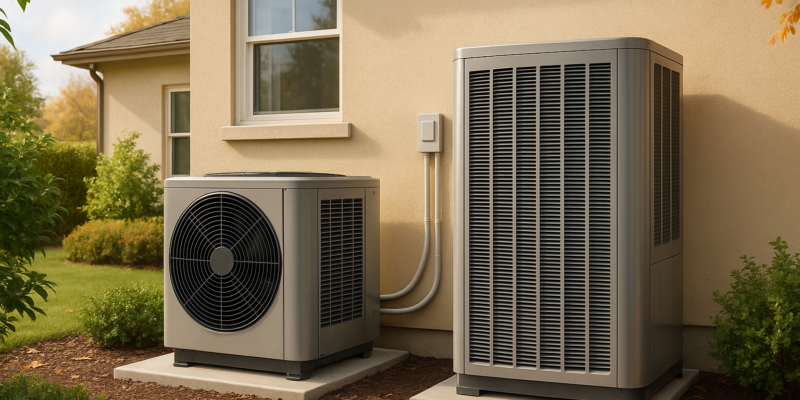
Heat Pump vs. Dual-Mode Systems: Seasonal Testing

Heat Pump vs. Dual-Mode Systems: Seasonal Testing

When choosing between heat pumps and dual-mode systems, the main difference lies in how they handle heating in various climates. Heat pumps use electricity to transfer heat, making them efficient in milder regions. Dual-mode systems combine a heat pump with a gas furnace, automatically switching between the two based on outdoor temperatures, which makes them better suited for colder climates.

Key Takeaways:

  • Heat Pumps: Best for mild climates; efficient for both heating and cooling but may struggle in extreme cold.
  • Dual-Mode Systems: Ideal for colder regions; combine electric and gas heating for consistent performance in low temperatures.
  • Seasonal Testing: Ensures systems perform well in all weather conditions, evaluating heating, cooling, and energy efficiency.

Quick Comparison:

Feature Heat Pumps Dual-Mode Systems
Climate Suitability Mild climates Cold climates
Heating Method Electric (refrigerant cycle) Electric + Gas Furnace
Efficiency in Cold Temps Decreases below balance point Maintains efficiency with gas
Maintenance Needs Moderate Higher (due to dual components)
Ideal Use Case Year-round mild temperatures Harsh winters and variable temps

Understanding your local climate, energy costs, and heating needs will help you make the right choice. Both systems require regular maintenance and testing to ensure optimal performance.

Seasonal Testing Procedures and Standards

Heat Pump Testing Standards

In the United States, heat pump testing is guided by well-established industry standards to ensure accurate evaluation of seasonal performance. Key protocols include ANSI/ASHRAE 116, AHRI Standard 210/240, and DOE Appendix M. To provide a more comprehensive assessment, updated metrics – SCORE for cooling and SHORE for heating – now incorporate factors like off-mode power consumption and performance in colder climates.

Testing procedures involve both steady-state and cyclic evaluations within specific temperature and humidity ranges. For example, cooling tests are conducted at 95°F and 75°F, while heating tests are performed at 47°F and 43°F. These controlled conditions aim to replicate real-world operating scenarios.

For variable-speed systems, a load-based testing method is preferred. This approach allows the system to operate under its built-in controls, dynamically adjusting to varying load demands, which provides a closer approximation to actual usage. Multiple steady-state tests are conducted to measure performance at different speed levels.

The ENERGY STAR program adds another layer of quality assurance by requiring that all faults identified during seasonal testing – such as issues with blowers, cooling, heating, or auxiliary heating – are documented and resolved before certification is granted. This ensures that only systems in perfect working order achieve certification.

Dual-Mode System Testing Standards

Dual-mode systems, which combine electric heat pump functionality with fuel-based heating, undergo all the standard heat pump tests along with additional evaluations for their fuel-based components and switching mechanisms. These tests ensure that both heating methods perform efficiently and that the system transitions seamlessly between modes.

The electric heat pump component is tested using the same standards applied to standalone heat pumps, while the fuel-based heating element, often a gas furnace, is evaluated under its own criteria. This dual evaluation ensures that each system operates effectively within its designed range.

A critical part of the testing involves verifying the reliability of the switching mechanism. Tests confirm that the system can smoothly alternate between electric and fuel-based heating based on factors like outdoor temperature and load requirements. The control logic is also tested to ensure the system selects the most efficient mode under different conditions. For split systems, certification focuses on the integrated performance of the outdoor heat pump, indoor air handler, gas furnace, and control system, rather than evaluating individual components separately.

Hydrodynamics Inc. provides specialized HVAC services to ensure dual-mode systems meet compliance standards, deliver accurate performance, and maintain energy efficiency.

Performance Metrics for Seasonal Testing

Main Performance Metrics

When it comes to measuring seasonal efficiency in U.S. HVAC systems, three key metrics stand out: SEER2, HSPF2, and COP.

SEER2 (Seasonal Energy Efficiency Ratio 2) focuses on cooling efficiency. It calculates the total cooling output in BTUs during a typical cooling season and divides it by the total electric energy input in watt-hours during the same period. Introduced in 2023 as an update to the older SEER standard, SEER2 provides a more accurate reflection of real-world conditions, including system cycling losses. A higher SEER2 rating means the system provides more cooling while using less electricity – great for energy savings.

HSPF2 (Heating Seasonal Performance Factor 2) measures heating efficiency in a similar way. It looks at the total heating output in BTUs over a heating season and divides it by the electricity consumed in watt-hours. While SEER2 is all about cooling, HSPF2 is crucial for heat pumps and dual-mode systems, especially in colder climates where heating demands are higher.

COP (Coefficient of Performance) takes a slightly different approach. It evaluates the ratio of useful heating or cooling output to the energy consumed under specific conditions. This metric is particularly useful for variable-speed and cold-climate systems, as it highlights how well the system performs across a range of temperatures and loads – not just seasonal averages.

Variable-speed heat pumps tend to shine in seasonal testing compared to single-speed units. By adjusting their output to match the building’s needs, these systems achieve higher part-load efficiency and smoother operation. This adaptability often translates to higher SEER2 and HSPF2 ratings, especially in areas with moderate temperature fluctuations. They also handle humidity control better and reduce cycling losses, making them a solid choice for energy-conscious homeowners.

But there’s another factor that plays a critical role in seasonal performance: defrost cycle efficiency.

Defrost Cycle Efficiency

Defrost cycles are a key consideration when evaluating heat pump performance, especially in cold, humid conditions. Ice buildup on the outdoor coil can lower efficiency and even damage the system if not addressed. To prevent this, heat pumps periodically enter defrost mode.

Defrost cycle efficiency measures the energy used during defrost events compared to the heat delivered to the building. Inefficient or frequent defrost cycles can significantly lower overall seasonal efficiency, especially since frost formation is common during much of the heating season.

Heat pumps generally rely on two defrost methods, each with unique efficiency implications:

  • Active defrost reverses the refrigeration cycle to melt the frost. This method temporarily stops heating and consumes additional energy.
  • Passive defrost turns off the compressor, allowing ambient air to melt the frost naturally. While less energy-intensive, it also pauses heating temporarily.

Both methods impact heating output and efficiency. How much they affect performance depends on outdoor conditions and the system’s design.

Seasonal testing accounts for defrost energy consumption by incorporating it into HSPF2 and COP calculations. This ensures that the efficiency ratings reflect real-world performance, especially for systems tested in colder climates where defrost cycles are more frequent. For heat pumps in these conditions, defrost efficiency becomes a major factor in overall performance.

Dual-mode systems, which can switch to a fuel-based heating component during defrost cycles, are less affected by defrost inefficiencies. This feature allows them to maintain consistent heating while the heat pump defrosts, offering better comfort and efficiency in cold weather.

When evaluating systems for colder climates, it’s essential to consider defrost cycle efficiency and the system’s ability to maintain capacity at low temperatures. HVAC professionals can help you interpret these metrics and recommend systems that align with your climate and heating needs.

Heat Pumps vs. Dual-Mode Systems Comparison

Testing Complexity and Frequency

When it comes to testing, heat pumps and dual-mode systems have distinct requirements in terms of both complexity and frequency. Heat pumps, especially variable-speed models, undergo more detailed testing protocols. These models adjust their compressor speed dynamically to match varying conditioning loads, which allows for testing that better reflects real-world performance.

Dual-mode systems, on the other hand, require additional testing for their auxiliary heating functions. Beyond the standard heat pump tests, these systems must ensure proper coordination between the heat pump and the resistance heat stages. This means verifying that the auxiliary heat engages correctly when needed. Testing frequency also differs: heat pumps generally require annual testing or verification upon installation, while dual-mode systems often need more frequent checks to confirm proper switching between heating modes and auxiliary heat activation.

The introduction of the AHRI Standard 210/240-2024 has further increased testing complexity by replacing the older SEER2 and HSPF2 metrics with SCORE (Seasonal Cooling and Off-mode Rated Efficiency) and SHORE (Seasonal Heating and Off-mode Rated Efficiency). These new metrics now factor in off-mode power consumption, offering a more comprehensive look at energy efficiency for both system types. By including all energy consumed by a unit, these updated ratings provide a clearer picture of overall efficiency.

Performance in Different Climates

Climate plays a significant role in how these systems perform. Heat pumps tend to lose efficiency as outdoor temperatures drop. At lower temperatures, they produce less heat, which becomes a challenge at the “balance point” – the outdoor temperature where the heat pump’s output matches the home’s heating needs.

Dual-mode systems address this issue by incorporating auxiliary resistance heating. When outdoor temperatures fall below the balance point, and the heat pump can no longer meet demand on its own, the auxiliary heat kicks in to provide the necessary supplemental heating. This makes dual-mode systems more reliable in colder climates, where consistent performance is essential.

Testing standards have also evolved to reflect these climate-specific differences. For example, SHORE ratings now offer a cold climate option that evaluates performance at extremely low temperatures (5°F and below). Additionally, the DOE has implemented load-based testing methods that assess how well heat pumps perform under low-temperature conditions. These methods allow systems to automatically adjust their control settings based on real-time loads rather than relying on static manufacturer presets.

For homeowners in regions with mild winters, where temperatures rarely dip below the balance point, a heat pump alone can often provide sufficient and cost-effective heating. However, in colder areas like New England, dual-mode systems are better suited to maintain comfort and reliability. By supplementing heat pump performance with auxiliary heat, they eliminate the need for the heat pump to operate inefficiently in extreme cold.

Maintenance and Testing Requirements

The maintenance and testing needs of these systems reflect their operational differences. Heat pump maintenance focuses on verifying refrigerant levels and ensuring proper control operation in both heating and cooling modes. Technicians can conduct quick checks by monitoring system temperatures and operation without needing gauges.

Dual-mode systems, however, involve additional steps. These include testing the reversing valve to ensure smooth transitions between heating and cooling, verifying that auxiliary resistance heat activates at the right temperatures, and confirming that the thermostat correctly manages the switch between heat pump and auxiliary heating stages.

ENERGY STAR certification requirements highlight these distinctions. While both heat pumps and dual-mode systems require checks for fan blower performance and cooling efficiency, dual-mode systems must also undergo tests for heat pump-only heating and auxiliary heating functionality. For split-system setups, ENERGY STAR certification is based on the performance of the specific indoor and outdoor unit combination tested under regional guidelines.

Dual-mode systems with optional resistance heat operate in three stages: reduced, full, and full plus resistance heat. Each stage requires separate testing during maintenance. While this multi-stage operation enhances comfort control, it also adds complexity to both testing and upkeep, ensuring the system runs efficiently in all modes.

For homeowners, these testing and maintenance differences carry practical implications. Heat pumps, particularly variable-speed models, rely heavily on proper installation and commissioning to achieve their rated efficiency. Poor installation can significantly affect performance, making professional setup and regular maintenance essential. These practices help homeowners choose the right system for consistent performance throughout the seasons.

Energy Efficiency and System Optimization

How to Use Seasonal Testing Results

Seasonal testing data is a powerful tool for identifying where your system may be losing efficiency. Metrics like SEER (Seasonal Energy Efficiency Ratio), HSPF (Heating Seasonal Performance Factor), and COP (Coefficient of Performance) highlight when and why your system struggles. For instance, if your data shows frequent activation of backup heat when temperatures dip below 40°F, it might be time to adjust your system controls.

Another key insight comes from part-load performance data, which shows how your system operates during low-demand periods. Since HVAC systems rarely work at full capacity, frequent cycling during mild weather can waste energy, as each startup consumes more power than steady operation.

Energy auditors use this data to estimate potential savings from upgrades. If your system relies too heavily on backup heating, switching to a variable-speed compressor or fine-tuning system controls could significantly cut costs. Seasonal data also helps confirm whether your system’s balance point – the outdoor temperature at which your heat pump can meet heating needs without backup – matches your local climate.

Defrost cycle data is another area to watch. When outdoor coils frost over, the system temporarily reverses to melt the ice, which can reduce heating output. If defrost cycles are inefficient, it might be time to clean the coils or adjust the controls.

These insights often lead to the next step: bringing in professional HVAC services to make precise adjustments.

Professional HVAC Services

Interpreting seasonal testing data isn’t something most of us can do on our own – it requires technical expertise. Companies like Hydrodynamics bring specialized tools and training to ensure your system not only performs better but also stays compliant with regulations. Their trained technicians can analyze the results to pinpoint opportunities for improvement, whether it’s tweaking system controls, upgrading components, or optimizing operations. This is especially critical for variable-speed systems, which depend on load-based testing for accurate performance assessments.

Another important consideration is maintaining eligibility for rebates and tax credits. Many incentive programs now require validated seasonal performance data. By working with qualified professionals, you can ensure that your system adjustments meet these requirements and protect your access to valuable incentives.

Modern HVAC systems – featuring variable-speed compressors, smart controls, and integrated backup heating – are sophisticated and require careful handling. Without proper expertise, even minor adjustments can hurt efficiency or, worse, lead to equipment damage.

Professionals can also use seasonal data to refine your maintenance schedule, ensuring your system stays efficient and reliable.

Maintenance Schedule Guidelines

Seasonal testing results can take your maintenance plan beyond generic recommendations, tailoring it to your system’s specific needs. For example, if defrost cycles show reduced efficiency, you may need to clean coils or inspect the defrost system more frequently, especially before and after peak heating seasons.

While the standard advice is to schedule professional maintenance twice a year – typically in spring and fall – seasonal data might reveal the need for additional service. If a dual-mode system frequently activates backup heat, certain components may require quarterly inspections instead of the usual annual checks.

Maintenance Action Heat Pump Frequency Dual-Mode System Frequency Adjustments Based on Testing Results
Filter replacement Monthly Monthly Increase frequency if airflow is restricted
Coil cleaning Biannually Biannually Consider quarterly if defrost efficiency drops
Refrigerant check Annually Annually Perform more often if capacity issues arise
Control calibration Annually Biannually After any noticeable efficiency decline

Extreme weather can also take a toll on your system. Post-event inspections are crucial for maintaining efficiency and preventing long-term damage.

When seasonal testing is combined with professional maintenance, it creates a cycle of continuous improvement. This approach not only reduces long-term costs but also extends your system’s lifespan while ensuring peak performance year-round. Early detection of performance issues can help avoid expensive repairs and keep your energy bills in check.

Smart maintenance schedules focus on the specific challenges your system faces during different temperature ranges. By addressing these stresses at the right time, you can make sure your maintenance dollars are spent where they’ll have the greatest impact on performance and longevity.

Choosing the Right System for Your Needs

Main Points Summary

When deciding between heat pumps and dual-mode systems, it’s essential to understand how each performs under varying seasonal conditions. Heat pumps are particularly effective in milder climates, thanks to the introduction of new SCORE and SHORE ratings. These ratings account for off-mode energy consumption, offering a more complete picture of efficiency. Heat pumps perform best when they can operate without relying heavily on backup heating throughout the year.

On the other hand, dual-mode systems shine in colder climates, where temperatures often drop below the balance point – the outdoor temperature at which a heat pump can no longer meet heating demands on its own. Testing these systems is more complex, as it must confirm both the heat pump’s operation and the integration of auxiliary heating to ensure reliable performance during extreme cold.

Load-based testing provides a clearer picture of real-world efficiency compared to peak ratings. For instance, variable-speed heat pumps demonstrate higher efficiency in mild climates by running longer at lower speeds. Meanwhile, dual-mode systems prove their value in colder regions where auxiliary heating is frequently needed.

Maintenance requirements also vary. Heat pumps need seasonal checks, including defrost system inspections. Dual-mode systems, however, demand more attention due to their additional components and the controls that manage the switch between heating modes. While this makes them more maintenance-intensive, it also enhances their reliability during harsh weather. These factors are key to determining which system aligns best with your needs.

How to Make the Right Choice

Start by reviewing your local climate data and identifying your home’s balance point. For milder climates, a standard or variable-speed heat pump is often the most efficient and cost-effective option, providing reliable heating and cooling year-round. In colder regions, where winter temperatures frequently fall below 25°F, a dual-mode system equipped with auxiliary electric or gas heat ensures consistent comfort and may even reduce operating costs during the coldest months.

Weigh the upfront costs against long-term savings. While two-stage and variable-speed heat pumps have higher initial price tags, they offer lower operating costs and improved comfort over time. Dual-mode systems, though more expensive to install due to their additional components, can be more economical in regions with harsh winters where a heat pump alone might struggle to keep up. Considering these factors alongside system reliability in your local conditions will help guide your decision.

A professional load calculation (Manual J) is crucial for determining the right system size and type for your home. This calculation, combined with seasonal testing data specific to your climate zone, provides a solid foundation for making an informed choice.

Maintenance is another important consideration. Heat pumps require regular tasks like filter changes and occasional professional inspections. Dual-mode systems, with their added components, need more frequent upkeep but often deliver better reliability in extreme weather.

Partnering with experts like Hydrodynamics Inc. can make the process smoother. Their ability to interpret seasonal testing results and ensure compliance with local codes and efficiency standards helps ensure your system delivers optimal performance and savings over its lifespan. By combining expert advice with seasonal test data, you can confidently select a system tailored to your specific needs.

Ultimately, your decision should balance initial costs, energy efficiency, maintenance requirements, and climate demands. Seasonal testing data offers clear, reliable performance metrics, taking the guesswork out of choosing the right system for your home and budget.

Heat pumps seasonal performance factor (SPF) – What installers need to know

FAQs

What should I consider when choosing between a heat pump and a dual-mode system for my home?

When choosing between a heat pump and a dual-mode system, you’ll want to think about your home’s heating and cooling needs, your local climate, and your energy efficiency goals. Heat pumps work well for both heating and cooling in moderate climates because they transfer heat instead of generating it. But if you live in a colder area, their efficiency can drop, which is where a dual-mode system might come in handy. These systems pair a heat pump with a backup heating source, like a furnace, to keep your home comfortable even during freezing temperatures.

It’s also worth weighing the installation costs, potential energy savings, and maintenance requirements. While dual-mode systems might cost more upfront, they tend to provide more dependable heating when the weather gets extreme. Talking to a professional HVAC provider, such as Hydrodynamics Inc., can give you a clearer idea of which option suits your home and budget best.

How do seasonal testing results affect the efficiency and performance of heat pumps and dual-mode systems?

Seasonal testing plays a key role in understanding how heat pumps and dual-mode systems handle different weather conditions. By examining their performance throughout the year, this process highlights energy efficiency, potential savings, and any necessary tweaks to keep them running at their best.

For heat pumps, these tests focus on how well they manage heating and cooling during temperature swings, ensuring reliable performance in both summer and winter. Similarly, dual-mode systems, designed to switch between heating and cooling, are assessed for smooth transitions and efficiency in regions with mixed climates. Regular testing not only keeps your home comfortable but also helps catch inefficiencies early, saving money over time.

What specific maintenance tasks are required for dual-mode systems that differ from standalone heat pumps?

Dual-mode systems, designed to handle both heating and cooling, come with their own set of maintenance needs to keep them running efficiently. Beyond the typical care required for heat pumps, these systems often demand extra attention to their switching mechanisms and controls – the parts responsible for toggling between heating and cooling. Regular checkups are key to ensuring these components work seamlessly.

Seasonal tweaks are another important part of maintaining dual-mode systems. This might include recalibrating thermostats or checking refrigerant levels to make sure the system transitions smoothly between functions. Scheduling routine maintenance with professionals, like Hydrodynamics Inc., can help catch and fix potential problems early, keeping your system in top shape all year long.

How to Prevent HVAC Callbacks: 5 Service Strategies

How to Prevent HVAC Callbacks: 5 Service Strategies

In the HVAC industry, callbacks can be a frustrating and costly issue for both service providers and their customers. They can disrupt schedules, strain customer relationships, and cut into profits. However, with the right strategies, HVAC professionals can significantly reduce callbacks and improve overall service quality. Based on insights from an experienced service expert, this article explores five actionable strategies that can transform how HVAC teams operate, ensuring fewer callbacks and more satisfied customers.

The Importance of Callback Prevention

Callbacks occur when a service issue isn’t fully resolved on the first visit, requiring a technician to return to the same job. Not only do callbacks hurt a company’s bottom line, but they can also damage customer trust. Preventing callbacks isn’t just about saving time and money – it’s about delivering consistent, high-quality service that sets your business apart. By following these five principles, you can improve your service efficiency, maintain customer satisfaction, and uphold your reputation for reliability.

1. Ask the Right Questions from Start to Finish

One of the most effective ways to prevent callbacks is by asking detailed and thoughtful questions throughout the service process. This begins the moment a technician is dispatched to a call. Review call notes and customer history to uncover relevant details about past issues or repairs. This preparatory step ensures you arrive at the job with the right tools, parts, and expectations.

When engaging with the customer, ask about their observations and any previous concerns. Whether it’s a homeowner, property manager, or business operator, clear communication helps uncover vital clues about the problem. Questions such as, “When did the issue start?” or “Have you noticed any unusual noises or changes in performance?” can reveal underlying causes you might otherwise overlook. By building a complete picture of the situation, you can address the root cause, not just the symptoms.

2. Address Drain Concerns Every Time

Clogged or poorly maintained drains are one of the most common reasons for HVAC callbacks. To tackle this consistently, adopt a proactive approach: either clean or quote the drain on every service visit, no exceptions.

For example:

  • If you’re performing a major repair, such as replacing an evaporator coil, cleaning the drain should be included as part of the process – even if it seems unnecessary.
  • For minor service calls, like capacitor replacements, offer to clean or quote the drain as a preventative measure.

These small steps take only a few minutes but can save your team from rolling a truck back to the same property due to a preventable drainage issue. This practice also helps maintain system efficiency and improves customer satisfaction, as it demonstrates thorough attention to detail.

3. Remove All Panels for a Thorough Inspection

In HVAC service, thoroughness is key. A disciplined habit of removing all system panels allows technicians to inspect components beyond the immediate issue. While it might be tempting to focus solely on the identified problem (e.g., a faulty capacitor), this approach can lead to missed opportunities to prevent future failures.

Removing panels reveals potential issues such as:

  • Dirty filters
  • Clogged evaporator coils
  • Signs of wear or damage in unseen components

For instance, replacing a compressor without checking the filter or evaporator coil could result in recurring issues. A dirty or clogged filter might have been the root cause of the compressor’s failure in the first place. This comprehensive inspection process ensures you address underlying problems, making callbacks far less likely.

4. Record All Measurements and Readings

Documenting system readings and measurements during service calls is a crucial practice. By taking and recording data such as capacitor readings, refrigerant levels, or voltage, technicians can provide evidence of their work and identify potential issues.

This documentation serves two purposes:

  1. Callback Prevention: Thorough readings help ensure that every aspect of the system is functioning within the manufacturer’s specifications before leaving the site.
  2. Customer Communication: If a customer calls back with concerns, having documented data allows you to demonstrate that the system was inspected and tested thoroughly. This can defuse misunderstandings and build trust.

For example, a recorded capacitor reading can confirm that the part was functional during the previous visit, helping customers understand that some issues can arise unexpectedly despite regular maintenance.

5. Perform a Final Walkthrough and “Touch Everything”

The final walkthrough, often referred to as the “touch everything” rule, is perhaps the most critical step in preventing callbacks. This simple yet highly effective practice involves physically inspecting the equipment one last time after completing all repairs and maintenance tasks.

During this walkthrough:

  • Place your hands on components such as the blower or condenser to ensure they are operational.
  • Check for any loose caps, tools left behind, or signs of overlooked issues.
  • Verify that the drain is working properly and that no components were inadvertently left out of place.

This extra step takes only a few minutes but can save hours of frustration later. While it may seem unnecessary most of the time, it’s during those rare moments – when you catch a loose connection or forgotten detail – that this habit proves invaluable.

Key Takeaways

  • Ask Questions: Begin every service call by reviewing customer history and asking detailed questions to build a comprehensive understanding of the problem.
  • Clean or Quote Every Drain: Proactively address potential drainage issues, even when they’re not the primary reason for the call.
  • Remove All Panels: Conduct a complete inspection of the system to uncover hidden issues, ensuring no critical detail is overlooked.
  • Record Readings: Document measurements and system data to facilitate future troubleshooting and demonstrate the quality of your work.
  • Final Walkthrough: Make a habit of physically inspecting the system after completing the job. This practice can catch small errors that might lead to callbacks.

Conclusion

Reducing HVAC callbacks is about more than just efficiency – it’s about creating a seamless customer experience and ensuring every job is done right the first time. By adopting these five service strategies, HVAC professionals can build trust, earn repeat business, and stand out in a competitive market. Small, consistent changes in how you approach each service call can lead to significant long-term benefits for both your business and your customers.

Ultimately, the key to preventing callbacks is a commitment to thoroughness, communication, and proactive problem-solving. These principles not only reduce frustration for your team but also reinforce your reputation as a trusted expert in the HVAC industry. Implement these strategies today, and watch your service calls transform for the better.

Source: “5 Service Strategies to Prevent HVAC Callbacks” – HVAC School, YouTube, Aug 6, 2025 – https://www.youtube.com/watch?v=Zc28AlF-68I

Use: Embedded for reference. Brief quotes used for commentary/review.

Solar vs. Heat Pump Water Heaters: Which Saves More Energy?

Solar vs. Heat Pump Water Heaters: Which Saves More Energy?

When deciding between solar and heat pump water heaters, here’s what you need to know upfront:

  • Solar water heaters use sunlight to heat water, reducing electricity needs. They’re great for sunny areas like California or Florida, but they require roof space and good sunlight exposure. Costs are higher upfront, but savings can pay off in 3–7 years.
  • Heat pump water heaters use electricity to pull heat from the air and are 2–3 times more efficient than standard electric models. They work in various climates, are compact, and cost less to install initially.

Quick Comparison:

Feature Solar Water Heaters Heat Pump Water Heaters
Upfront Cost Higher Lower
Energy Source Sunlight Ambient air
Best Climate Sunny regions Moderate to warm climates
Space Needs Roof space for collectors Indoor space with ventilation

Both options cut energy costs, but your choice depends on your home’s layout, climate, and budget. For maximum savings, consider combining both systems if feasible.

How Solar Water Heaters Work and Save Energy

How They Work and Energy Savings

Solar water heaters use sunlight to heat water for home use, offering an efficient way to reduce energy consumption. These systems rely on solar collectors, which can be either flat-plate or evacuated tube types, to capture sunlight. A heat-transfer fluid circulates through the collectors, absorbing the sun’s energy. This warmed fluid then flows to a heat exchanger in the storage tank, where it transfers heat to the water without mixing with it. A small pump keeps the fluid circulating, using only a minimal amount of electricity.

By tapping into the sun’s energy, solar water heaters can significantly cut down on the need for conventional energy sources to heat water. Proper installation and an understanding of how the system works are key to maximizing its efficiency.

Installation Requirements and Limits

For the best performance, solar water heaters should be installed on a sturdy roof with a southern-facing orientation (or within 45° of south) to capture the most sunlight. The installation site should receive direct sunlight, especially during peak midday hours.

Adjusting the tilt of the collectors to match your location’s latitude can further enhance efficiency. However, in areas with frequent overcast skies or during seasons with limited sunlight, a backup heating element might be necessary to ensure a steady supply of hot water.

In colder climates where temperatures can drop below freezing, systems need freeze protection measures, such as antifreeze solutions or automatic drainback mechanisms, to prevent damage to the pipes. Additionally, shading from trees, nearby buildings, or other obstacles can reduce performance, so a detailed site evaluation is essential before installation.

To keep the system running smoothly, regular maintenance is crucial. This includes periodic inspections, cleaning, and ensuring compliance with local building codes and permits. These steps help maintain the system’s efficiency over time.

How Heat Pump Water Heaters Work and Save Energy

How They Work and Energy Savings

After exploring solar water heaters, let’s dive into how heat pump water heaters work and why they stand out for energy efficiency.

Unlike traditional electric water heaters that generate heat directly through electric resistance, heat pump water heaters take a different approach. They pull heat from the surrounding air and transfer it to the water. This is achieved using a refrigerant cycle that includes four key components: an evaporator, compressor, condenser, and expansion valve. Here’s how it works:

  • The evaporator absorbs heat from the air, causing the refrigerant to evaporate.
  • The compressor then pressurizes the refrigerant, significantly raising its temperature.
  • The hot refrigerant gas moves through the condenser coil, where it releases heat to warm the water.
  • Finally, the expansion valve cools the refrigerant, resetting the cycle.

This process allows heat pump water heaters to achieve a Coefficient of Performance (COP) between 2.0 and 3.5. To put it simply, for every unit of electricity they use, they produce 2 to 3.5 units of heat. This level of efficiency translates to energy savings of about 60% to 70% compared to standard electric water heaters. For instance, if a household spends $600 a year on water heating with a conventional unit, switching to a heat pump system could cut that cost by more than half.

These systems can even extract heat from air temperatures as low as the 40s °F, although their efficiency does drop in colder conditions.

Climate and Installation Needs

To get the most out of a heat pump water heater, proper placement is key. These systems work best in moderate to warm climates where indoor temperatures remain relatively steady. Areas like the Southeast, Southwest, and parts of California are ideal for maintaining high efficiency year-round. However, they’re still a good option in colder regions when installed in conditioned spaces such as basements, utility rooms, or heated garages.

Most installations are indoors, and it’s important to place the unit in a spot with enough ambient air and adequate clearance for effective heat exchange. Unlike solar water heaters, which depend on specific roof orientations, heat pump water heaters offer more flexibility in placement – as long as ventilation needs are met.

One unique feature of these systems is their cooling effect. By pulling heat from the air, they can dehumidify and slightly cool the surrounding space. This can be a bonus during warmer months but might slightly increase heating demands in colder seasons. Even so, the energy savings from water heating typically outweigh this minor trade-off.

From an electrical perspective, most residential units run on standard 240-volt circuits and can often be installed with minimal changes to existing setups. In colder indoor environments, the system’s backup electric elements may kick in more frequently to ensure a consistent hot water supply, which can lower efficiency. These details highlight how heat pump water heaters differ from solar water heaters and set the stage for a direct comparison.

Heat Pump vs Solar Water Heater

Solar vs. Heat Pump Water Heaters: Direct Comparison

Now that we’ve covered the basics of each system, let’s dive into a head-to-head comparison, focusing on installation needs and cost factors.

Comparison Table

Here’s a quick side-by-side look at how these two systems stack up:

Feature Solar Water Heaters Heat Pump Water Heaters
Initial Installation Cost Higher upfront investment Lower upfront investment
Installation Space Requires clear, unobstructed space for solar collectors Compact design, suitable for tighter spaces

Key Differences Between the Systems

Solar water heaters come with steeper installation costs and need plenty of open space to set up the collectors. On the other hand, heat pump water heaters are easier on the wallet initially and fit well in homes with limited room to spare. Another important consideration is sunlight – solar systems rely on consistent, direct sunlight, whereas heat pump systems are more adaptable to different environments.

These differences can help steer your decision based on how much space you have and what you’re willing to spend upfront. Up next, we’ll dive into the critical factors to weigh when choosing the best system for your home.

How to Choose the Right Water Heater for Your Home

Choosing the right water heater means finding a system that fits your specific needs. Several important factors come into play when deciding which technology will work best for your home. Let’s break down what you should keep in mind.

What to Consider Before Buying

When weighing your options, it’s crucial to think about how your climate, home layout, and energy goals align with the available technologies.

Climate plays a big role. Solar water heaters are an excellent choice for sunny states like Arizona, Florida, Nevada, and California. These systems can supply consistent hot water throughout the year while reducing energy use significantly. On the other hand, heat pump water heaters are more versatile and perform well in a variety of climates, including cooler or moderate regions. They can cut electricity use by 50% to 70% compared to traditional models. However, keep in mind that extreme cold or high humidity can impact their efficiency, especially if installed in unheated areas.

Your property’s layout matters too. Solar water heaters require enough unobstructed space for collectors and a structure positioned to capture the most sunlight. In contrast, heat pump water heaters are more compact and can fit into smaller spaces, though they still need proper ventilation to work effectively.

For personalized advice, the team at Hydrodynamics can evaluate your home’s climate, layout, and hot water needs to recommend the best system for maximum energy savings.

Combining Systems for Greater Efficiency

In some situations, using both solar and heat pump systems together can boost efficiency even further. A hybrid setup takes advantage of each system’s strengths: solar heating provides primary hot water during sunny days, while the heat pump steps in during cloudy or less sunny periods. This approach works especially well in moderate climates, ensuring reliable performance year-round.

That said, hybrid systems require careful planning. They demand more space for solar collectors, the heat pump unit, and additional plumbing and controls. The upfront costs are higher, but the long-term energy savings can be worth it.

Hydrodynamics specializes in designing and installing both solar and heat pump systems, including hybrid configurations. Their experts can help determine if a combined setup is right for your home and ensure everything runs smoothly for optimal efficiency and savings.

Conclusion: Getting the Most Energy Savings from Your Water Heater

Solar and heat pump water heaters can significantly cut energy costs compared to traditional models, but the best choice depends on your specific needs and location. For example, solar water heaters work exceptionally well in sunny states like Arizona, Florida, and California, where abundant sunlight can help slash energy bills. On the other hand, heat pump water heaters perform reliably across a range of climates and can dramatically reduce electricity consumption compared to standard electric systems. Your local weather conditions and property layout will play a big role in determining which option is right for you.

To maximize savings, it’s essential to select a system that aligns with your household’s hot water usage, local utility rates, and available rebates. Installation requirements also factor into the overall cost and effectiveness of your chosen system.

For those looking to push efficiency even further, combining solar and heat pump technologies can be an excellent option. A hybrid system that integrates both can deliver even greater energy savings, though it requires careful planning and comes with higher upfront costs.

Since 1994, Hydrodynamics has been helping homeowners find energy-efficient water heating solutions. Their team specializes in evaluating your needs and providing expert installation, repairs, and maintenance to ensure your system is perfectly sized and configured for your home.

And remember: proper installation and routine maintenance are key to getting the most out of your water heater, both in terms of performance and energy savings.

FAQs

Is my home a good fit for a solar water heater?

To figure out if your home is a good match for a solar water heater, start by checking for an unshaded area that faces south or toward the equator. This could be a section of your roof or even an open yard – any spot that gets plenty of sunlight throughout the day. You’ll also need enough space for the system, which typically requires about 40 square feet for every 25 gallons of capacity. Make sure the location is sturdy enough to handle the weight of the equipment.

Other factors to consider include the orientation of your roof, potential shading from nearby trees or buildings, and the local climate. To get a clear picture of your home’s suitability, it’s a good idea to consult a professional who can evaluate these aspects and guide you through the installation process.

What kind of maintenance do solar and heat pump water heaters require over time?

Solar water heaters need regular upkeep to stay efficient and last longer. Key tasks include cleaning the solar collectors once a year to clear away dirt and debris. If your system uses antifreeze, it should be replaced every 3 to 5 years. Other important checks include inspecting pumps and thermostats, flushing the tank to remove sediment, and looking for leaks – these should be done every 1 to 3 years. With consistent maintenance, these systems can serve you for 20 to 30 years.

Heat pump water heaters, on the other hand, require less frequent attention. You’ll need to clean or replace the air filters every few months and inspect the evaporator coils annually to make sure they’re clean. It’s also a good idea to check the condensate drain regularly to prevent clogs. Keeping up with these tasks ensures both types of systems run efficiently and last as long as possible.

Can combining solar and heat pump water heaters help save more energy, and what should homeowners consider before installing a hybrid system?

Combining solar panels with heat pump water heaters is a smart way to cut energy costs. Solar panels generate renewable energy that powers the heat pump, reducing dependence on grid electricity and lowering your utility bills. This setup is a great option for homeowners aiming to boost energy efficiency while using greener solutions.

To make this work effectively, a few factors need attention. You’ll need enough space to install both the solar panels and the heat pump system. It’s also important to check that your plans align with local building codes and regulations. Proper integration of the two systems is key to getting the best performance. Hiring a professional installer is highly recommended to ensure everything runs smoothly and delivers the savings you’re aiming for.